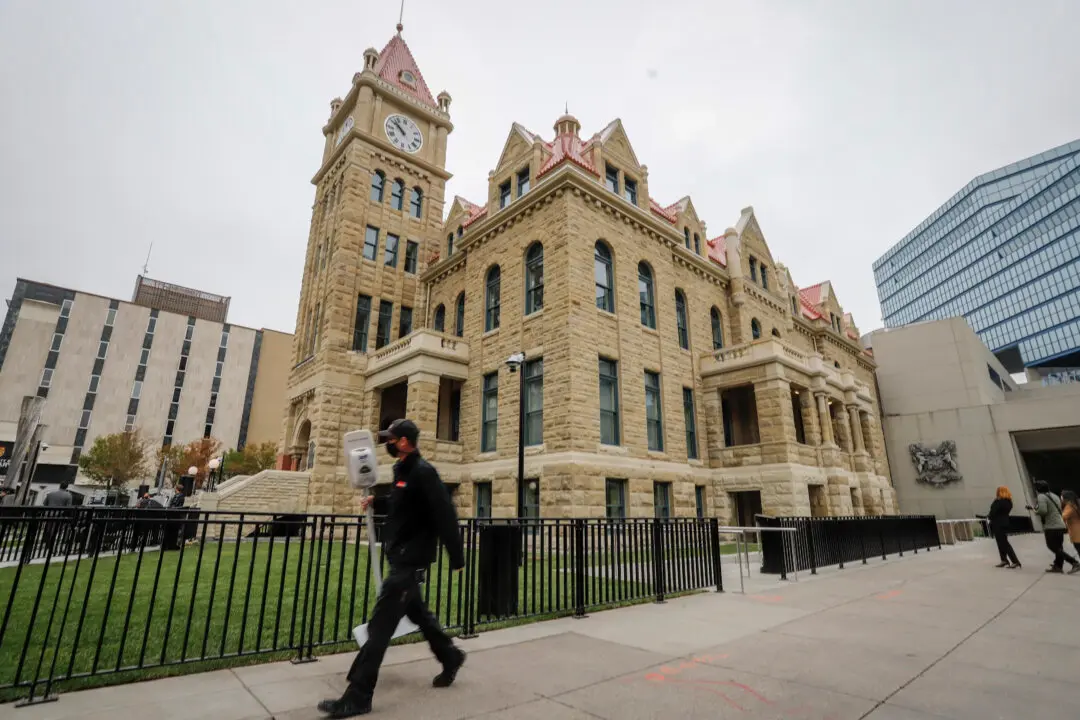
Saskatchewan has introduced involuntary drug treatment legislation on the final day of the fall legislature sitting.
If passed, the Compassionate Intervention Act, Bill 48, would allow those with addictions to be committed to treatment without their consent.
He told reporters the timing of the bill was deliberate.
“It’s so that we now have the winter and the spring session to work through some of those operational questions that are there with those that are directly supporting people in their recovery journey,” Moe said on Dec. 5.

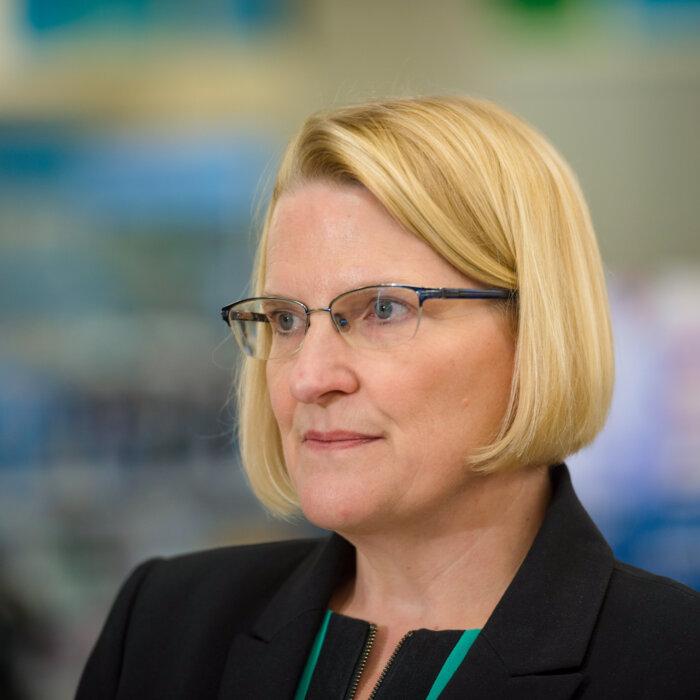
The process of involuntary treatment would see an individual with addictions referred to a tribunal, where a panel will decide if involuntary treatment is necessary and for how long. The decision will be based on whether the individual presents a risk of harm to themselves or others, according to the provincial government.
“Individuals may only be brought to a Compassionate Intervention Assessment Centre by police or peace officer, referred by a medical professional, or through a judge’s warrant,” the news release said.
The province said that current addictions treatment required voluntary participation, and existing legislation does not support addiction intervention.
Saskatchewan’s Minister of Mental Health and Addictions Lori Carr, who introduced the bill, told reporters that some details of the bill still need to be defined, such as how many involuntary treatment centres would be used.
Carr said that if the legislation passes, the government would speak with mental health and addictions experts on how to enact it. She also said that the number of involuntary beds will be in addition to the 500 the province says are being added to the drug-treatment system.
“We truly want these individuals to take voluntary treatment up first if that is a possibility,” Carr said.
“Right now we’re watching people struggle on the street, literally killing themselves, and we do nothing. This is going to help us do something for those individuals and get them some help.”
She also said that emergency rooms were seeing “a small percentage of individuals coming in multiple times per week with drug abuse emergencies” and that paramedics are responding to drug overdoses for the same individuals.
The Opposition NDP said that involuntary treatment should be a last resort.
Betty Nippi-Albright, the NDP’s mental health and addictions critic, told reporters that more treatment beds are needed.
“People are dying every single day this week,” she said. “There’s many people out there wanting to get into treatment, and there’s no spaces available today.”
Justice Minister Tim McLeod told reporters that the involuntary treatment decision can be reassessed if the individual becomes healthy before the tribunal’s mandated treatment time. He said the panel will be able to determine if early release is allowed.
He added that those put into treatment can appeal the decision through the Court of King’s Bench.