A salmonella outbreak connected to various brands of pistachios and pistachio-containing products has led to 11 hospitalizations and 79 illnesses reported across Canada.
According to the PHAC, 55 cases of illnesses related to salmonella from pistachio products have been in Quebec, while 17 have been in Ontario, five in British Columbia, one in Manitoba, and one in New Brunswick.
The illnesses began near the beginning of March and peaked in the middle of May, with the latest cases reported in mid-August.
More recent illnesses could continue to be reported as the period between a person becoming sick and reporting it to public health officials could range from 15 to 99 days after illness onset due to the time it takes to see a doctor, get tested, and have their results confirmed, the PHAC says.

“This notice only includes laboratory-confirmed cases,” the agency said. “The actual number of sick people in Canada is likely much higher. Many people have mild symptoms and don’t go to the doctor, so they aren’t tested.”
“Researchers estimate that for each case of Salmonella reported to public health, there are 26 more cases that are not reported.”
Salmonella
Salmonella is a foodborne bacterial illness that can spread to other people several days or weeks after a person is infected, even if they don’t have symptoms, the notice says.Symptoms of salmonella can include chills, a fever, nausea, diarrhea, vomiting, stomach cramps, and a sudden headache, the public health notice says, adding that some people may not get sick at all.
For those who do get sick, symptoms usually begin within six to 72 hours after exposure to the contaminated food and typically end within four to seven days. The agency says that while most people recover on their own, some may have a more serious illness that requires hospital care and could lead to “long-lasting health effects or death.”
Older adults, young children, pregnant women, and people with weakened immune systems are at higher risk for serious illness, the notice says.
Those who experience symptoms of salmonella infection should contact their health care provider, the PHAC says, adding that those who have been diagnosed with the infection should not cook food for other people.
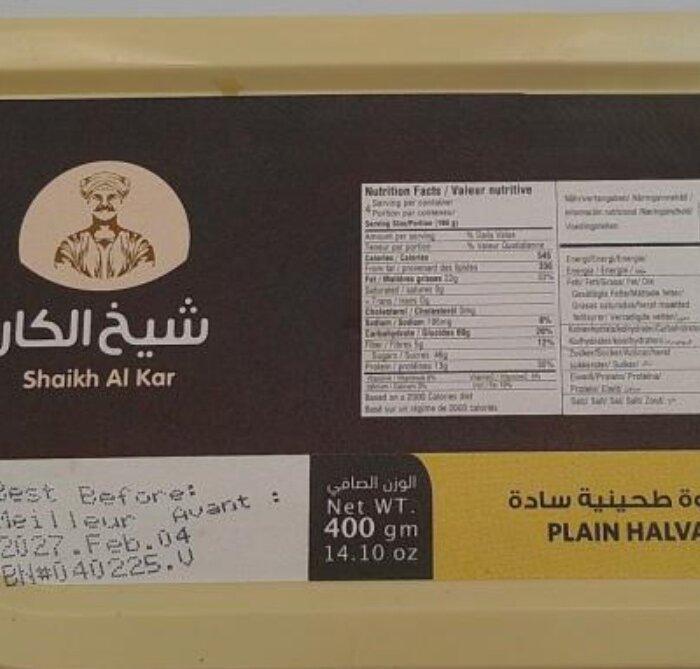
The PHAC advises individuals, retailers, distributors, and food service establishments, such as grocery stores, pharmacies, bakeries, and cafes across Canada, to check to see if they have any of the recalled products by looking for the specific product name, UPC, and codes in the recall alerts.
Consumers and establishments who have the recalled products are advised to not consume, serve, use, sell, or distribute the recalled products or any products that are made with them. Instead, the agency says to throw out or return the recalled products to the location they were purchased.
The PHAC says the public health notice will be updated as the active investigation progresses.