A parliamentary inquiry has been told that South Australian agriculture businesses require “greater tools and support” if they are to invest in tourism diversification opportunities.
The Joint Standing Committee on Trade and Investment Growth is examining ways to create sustainable economic growth in rural and regional Australia, with a focus on boosting tourism, particularly in regional areas.
The South Australian Tourism Commission (SATC) told the Committee that while Austrade—the national agency responsible for for promoting trade, investment, education, and tourism—provided some support for primary producers, “greater advocacy is required in helping agriculture businesses to realise the opportunity in tourism, the export link potential and then subsequently investing in it.”
“[But] it’s not as easy as just going, ‘Tomorrow I’m going to become a tourism business.’ Visitors expect a certain level of service when they turn up to someone’s business—they want to have this type of experience, but you’ve got a working farm, you’ve got the issue of producing enough [farm product],” said Kathryn Galpin, SATC’s director of policy and projects.
“Global demand is increasingly pointing to agritourism as a major growth opportunity. In 2024, we know that 84 percent of global travellers said they were interested in an agritourism experience within Australia, and visitors engaging in these experiences contributed more than $20 billion nationwide.
“We are recognized for premium produce grown in clean air, water, and soil, backed by food, wine, and drink are among our strongest competitive advantage advantages, with 64 percent of interstate visitors already associating South Australia with these strategies.”
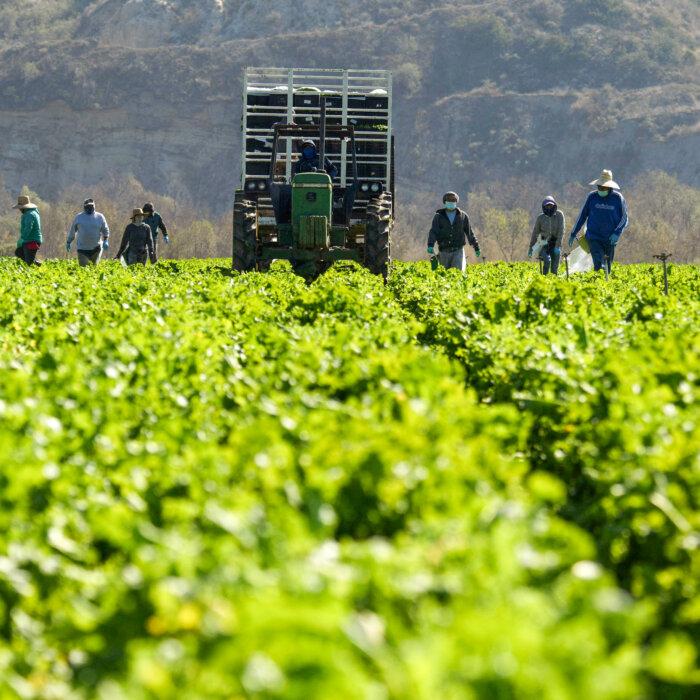
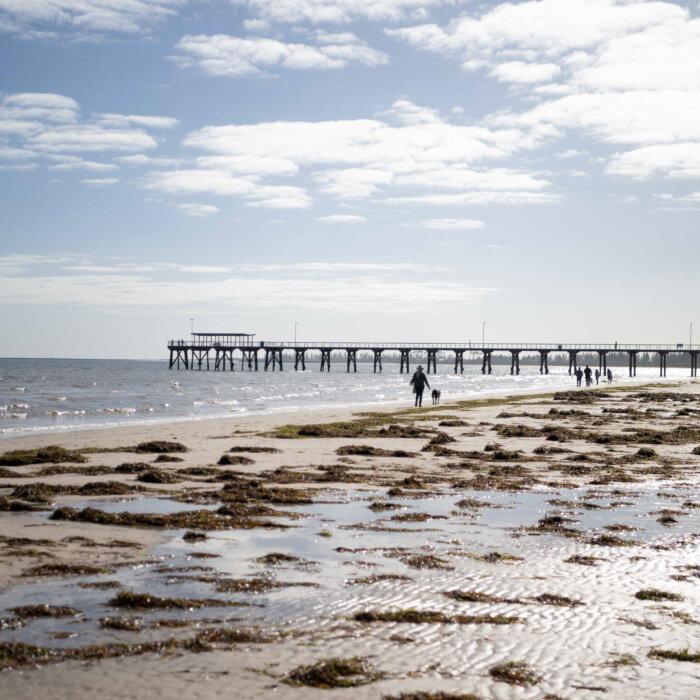
South Australia has established a dedicated state agritourism framework to help producers diversify into tourism, unlock new revenue streams, and build capacity across the sector.
The insurance sector needed to be encouraged to recognise tourism as a legitimate diversification pathway for agriculture, the SATC’s submission said. This would “help unlock investment, reduce barriers, and support the sustainable growth of agritourism.”
“So, this is not just about visitor experiences; it’s about export growth, regional resilience, and value creation,” Galpin said.
SATC’s submission also advocated for funding for Aboriginal-led tourism and food enterprises “that promote country, culture, and clean production.” In South Australia, to year-end 2024, consumer interest in Aboriginal food and cuisine increased to 58 percent, it said.
Amid growing opportunities to diversify the agriculture industry, the Committee examined the need to attract and train more young people to work in hospitality and tourism.
However, Galpin spoke of a “stigma” associated with working in the sector that is discouraging employment.
“I’m not entirely sure if we have really been able to promote tourism, despite the effort across the education sector [and] TAFE sector to change that narrative,” she said.
Galpin also suggested the federal government needs to invest at a nationally coordinated level to reframe how tourism is understood.
“In terms of tourism there’s lots of opportunity, [but] how we take that to that regional sustainable level is more of the challenge,” she said.