Russian Oil Giant Lukoil Agrees to Sell International Assets to Carlyle Group

Lukoil said on Oct. 27 that it would sell its international assets after Trump announced new sanctions against it and Rosneft.
Russian Oil Giant Lukoil Agrees to Sell International Assets to Carlyle Group
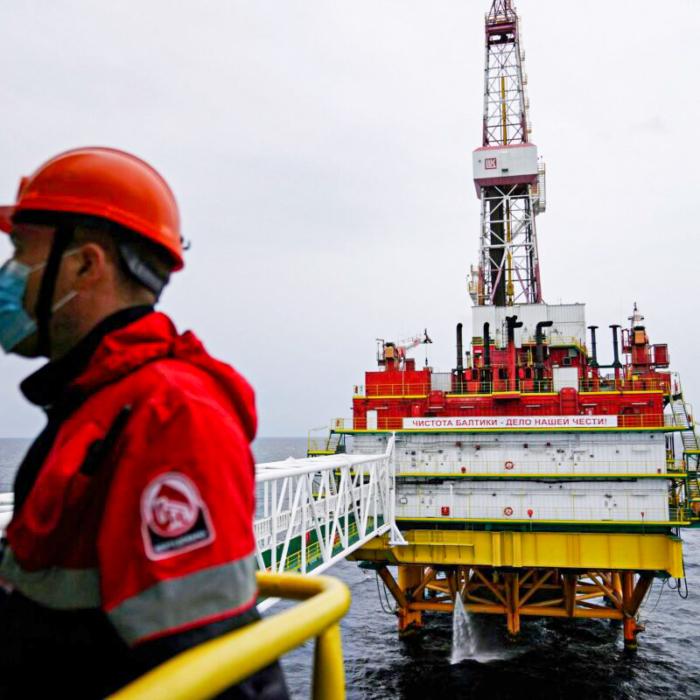
An employee on an oil platform operated by Lukoil company at the Kravtsovskoye oil field in the Baltic Sea, Russia, on Sept. 16, 2021. Vitaly Nevar/Reuters
|Updated:
0:00

Lukoil on Jan. 29 agreed to sell its international assets to U.S. private equity firm Carlyle Group, after sanctions imposed by the Trump administration targeted the company.

The oil company said in a statement said it had signed the agreement with Carlyle, but that it is subject to conditions, such as procurement of regulatory approvals, including permission from the U.S. Department of the Treasury’s Office of Foreign Assets Control (OFAC), which administers sanctions.

The company did not give details on the value of the deal, but said it would not include assets in Kazakhstan, which will remain in the hands of Lukoil and continue its operations. It added that the deal was not exclusive, and Lukoil will continue negotiations with other potential buyers.

“LUKOIL International GmbH is on sale owing to restrictive measures introduced by some countries against the Company and its subsidiaries,” the company said in a statement.

Carlyle said in a statement, “Carlyle’s approach to LUKOIL International would be on ensuring operational continuity, preserving jobs, stabilizing the asset base and supporting safe, reliable performance across the portfolio by bringing to bear dedicated oversight and international operating capabilities.”

The U.S. private equity company also said the deal was conditional upon its due diligence and regulatory approvals.
The Kremlin declined direct comment on the deal, saying it was a corporate matter, and reiterated that it considers Western sanctions on Russia illegal.

Kremlin spokesman Dmitry Peskov told reporters, “For us, the main priority is that the interests of the Russian company are ensured and upheld.”

Lukoil and Rosneft Sanctioned

Lukoil said on Oct. 27, 2025, that it would sell its international assets after U.S. President Donald Trump announced new sanctions against Lukoil and Rosneft, Russia’s two largest energy companies.

The president sanctioned the companies in a bid to pressure Russia into ending the war with Ukraine. They represent the first major round of economic penalties imposed on Moscow since Trump’s return to the White House for a second term.
“I just felt it was time,” Trump told reporters in the Oval Office on Oct. 22, 2025, while hosting NATO Secretary-General Mark Rutte. “These are tremendous sanctions. We hope that they won’t be on for long. We hope that the war will be settled.”
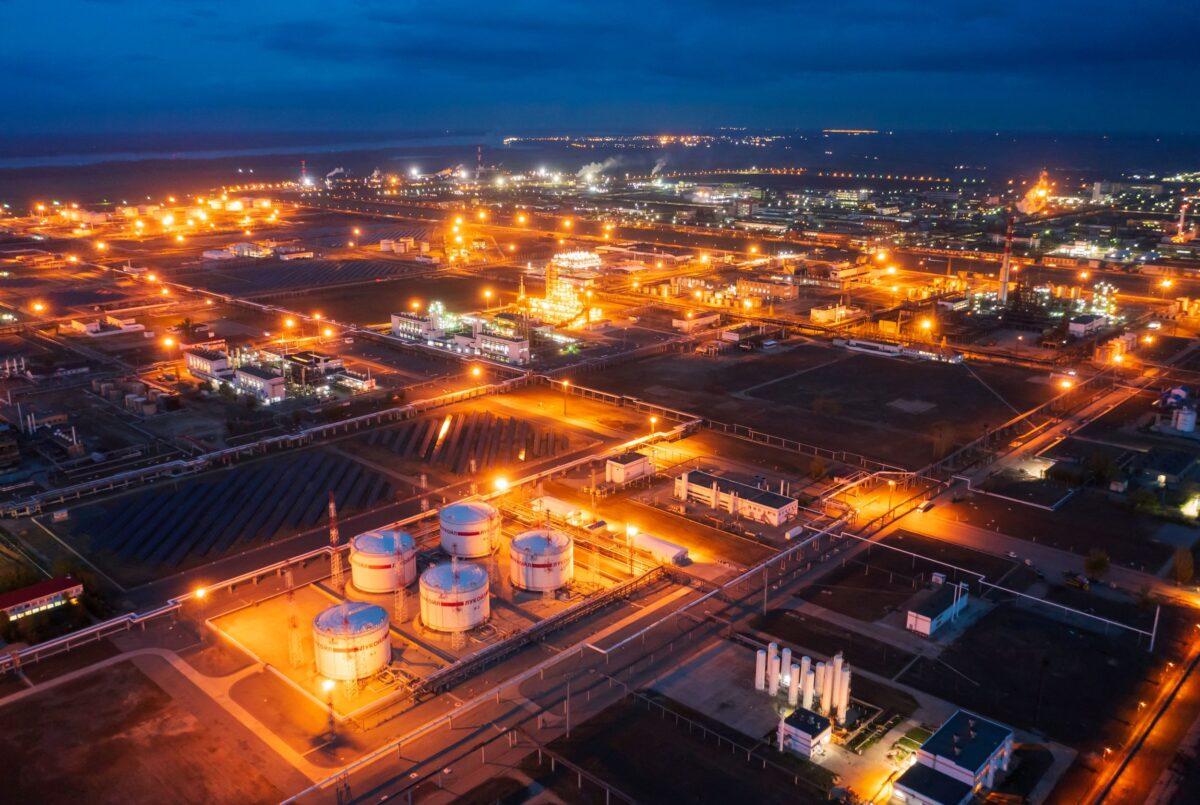
A general view shows the oil refinery of the Lukoil company in Volgograd, Russia, on April 22, 2022. (Reuters Photographer/Reuters)
A general view shows the oil refinery of the Lukoil company in Volgograd, Russia, on April 22, 2022. Reuters Photographer/Reuters

Rosneft and Lukoil together account for more than half of Russia’s crude oil exports.
Sanctions make it difficult for them to do business outside of Russia. They also open the door to secondary sanctions on foreign banks and companies that continue doing business with the companies.
The measures impact money flowing into the Russian government. Revenues from oil and gas account for around one-third of Moscow’s federal budget, out of which comes funding for military spending.
OFAC has given Lukoil until Feb. 28 to sell its global portfolio.
Tom Ozimek and Reuters contributed to this report.
Google LogoMark Us Preferred on Google
Victoria Friedman
Victoria Friedman
Author
Victoria Friedman is a UK-based journalist covering a wide range of international stories, with a particular interest in technology, eastern Europe, and defense.