The S&P Global Russia Manufacturing Purchasing Managers’ Index (PMI)—a monthly measure of the sector’s prevailing economic direction—weakened to 48.2 in September from the three-month high of 48.7 recorded in August.
Last month’s reading represented the sixth monthly contraction this year as output declined at the sharpest pace in more than three years. New orders also experienced a faster decrease amid weaker demand from key export markets.
Goods producers experienced a “downturn in purchasing activity” as companies chose to absorb pre-production inventories to complete new order transactions.
Input price pressures intensified, driven by challenges facing supply chains. As a result, firms attempted to pass the highest costs onto customers in selling prices, but “the pace of charge inflation was only fractional,” S&P noted.
Despite anemic conditions in the manufacturing sector, firms reported their highest level of optimism in the year ahead in four months.


“Russian manufacturers registered stronger confidence in the outlook for output over the coming 12 months at the end of the third quarter,” the report stated. “Companies reported that optimism stemmed from plans for new product development, more tender opportunities and hopes of more upbeat demand conditions.”
Economic Woes at Home
Conditions in Russia’s wartime economy have deteriorated this year as a combination of Western sanctions, lower energy prices, and spending on the war in Ukraine has taken its toll on Moscow.Data indicate that Russia could be facing stagflation risks. This is when the economy slows, inflation rises, and the labor market worsens.
The unemployment rate remains low—2.2 percent in July—and Bank of Russia officials say the military mobilization and reduced economic capacity could lead to shortages in the labor force.
Growth prospects have weakened, and inflation has been elevated.
In the second quarter, gross domestic product (GDP) growth rate was 1.1 percent year over year, down from 1.4 percent in the first quarter.
“Beyond 2025, Russia’s economy is likely to grow no faster than its potential rate of just above 1 percent.”
While the annual inflation rate has declined from its March peak of 10.3 percent, it remains at around 8 percent, firmly above the post-invasion low of 2.3 percent reached in April 2023.
Last month, the Bank of Russia’s board of directors lowered its key policy interest rate by 100 basis points to 17 percent. Despite the rate cut, officials anticipate monetary policy conditions will remain tight to return inflation to the institution’s target next year.
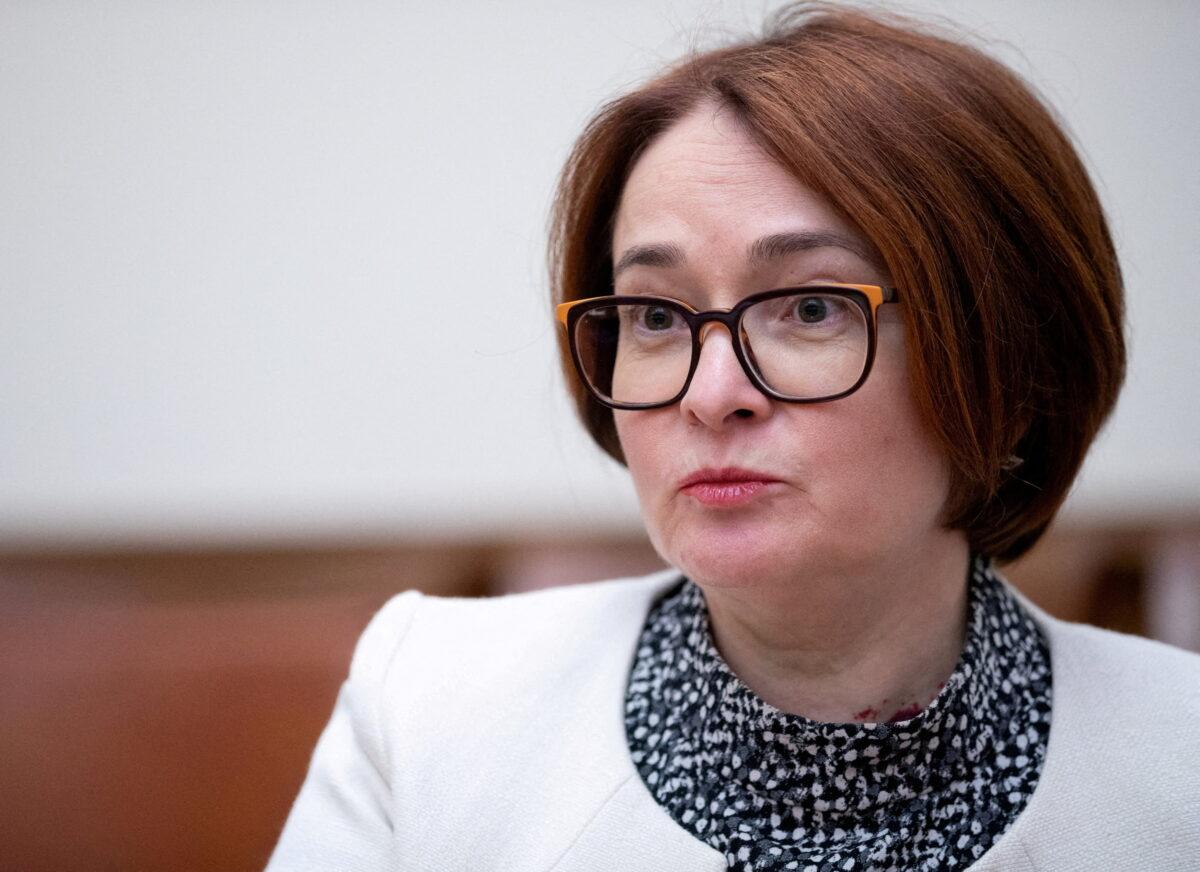
The central bank forecasts that the annual inflation rate will slow to a range of 6 percent to 7 percent in 2025 and then ease to 4 percent in 2026, “and stay at the target further on.”
Elvira Nabiullina, head of the Bank of Russia, said it will take time “to solidify the disinflationary trend,” particularly at a time when the inflation outlook is high.
Fiscal Fallout
Slowing oil revenues and a ballooning budget deficit are expected to force the Kremlin to make challenging fiscal choices in the coming months.Ukrainian military attacks on Russian energy infrastructure, particularly refinery capacity, have also weighed on government revenues.
With the war in Ukraine potentially entering its fifth year, the fiscal struggles are intensifying, said Mark Temnycky, a nonresident fellow at the Atlantic Council’s Eurasia Center.
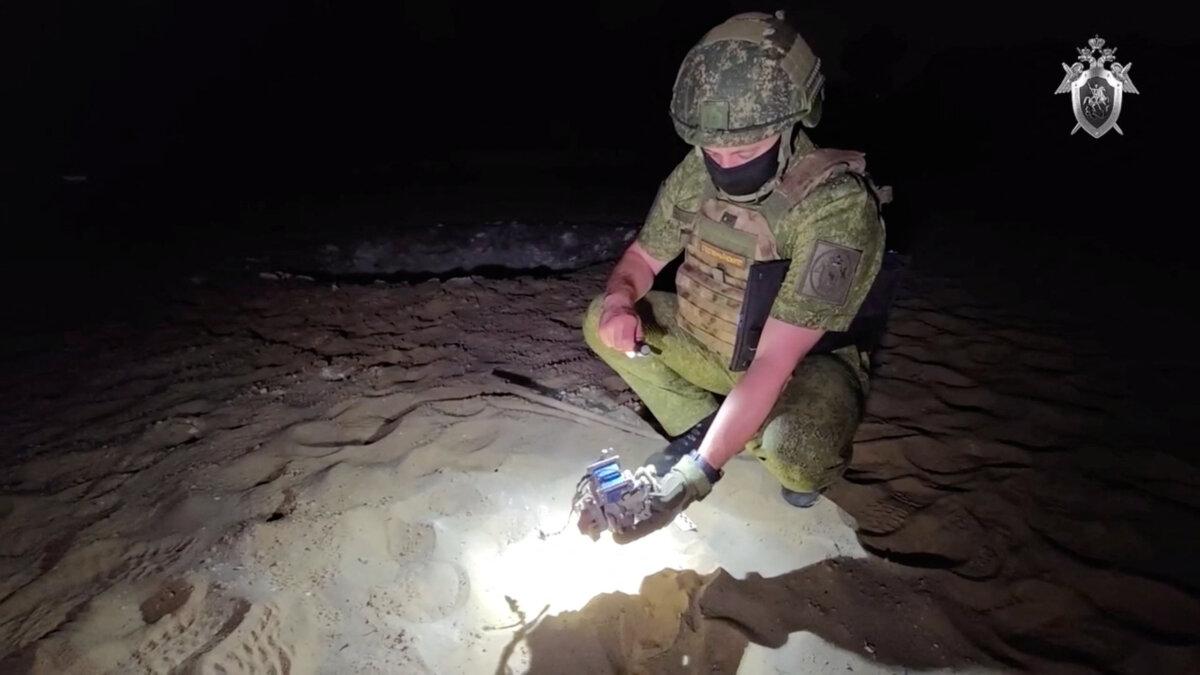
“The government’s war-related spending further compounds fiscal deficits, now estimated to be in the tens of billions of dollars annually,” Temnycky recently told The Epoch Times.
Government data indicate that Russia’s January–August budget deficit reached $50 billion, or 1.9 percent of GDP.
Russia’s debt-servicing costs are predicted to increase by more than 22 percent in 2026, accounting for almost 9 percent of total budget expenditures.
Policymakers in the Kremlin recently announced plans to raise the value-added tax to 22 percent from 20 percent as part of efforts to limit the deficit.
According to the draft federal budget for 2026 and the 2027–2028 planning period for the lower house of Parliament—the State Duma—officials plan to maintain the current spending levels.
The government’s stated priorities remain unchanged, the document said, including social welfare, defense funding, family support for military personnel, and progress toward the president’s 2030 goals.