Australia’s rooftops are doing more than keeping out the weather—they’re keeping the lights on, according to the Clean Energy Council.
New figures show rooftop panels supplied 12.8 percent of the nation’s electricity in the first half of 2025, a new record.
That’s up from 11.5 percent a year earlier, and more than double the 6 percent share in 2020.
Over 115,000 new systems were installed between January and June, adding 1.1 gigawatts of capacity. While that’s 18 percent down on last year, the panels going in are bigger and more efficient. The average size has climbed to just over 10 kilowatts per home or business.
Across the country, there are now 4.2 million rooftop solar systems pumping 26.8 gigawatts into the grid.
Batteries Boom as Prices Fall
Meanwhile, more than 85,000 battery units were sold in the first half of the year, a 191 percent jump on 2024.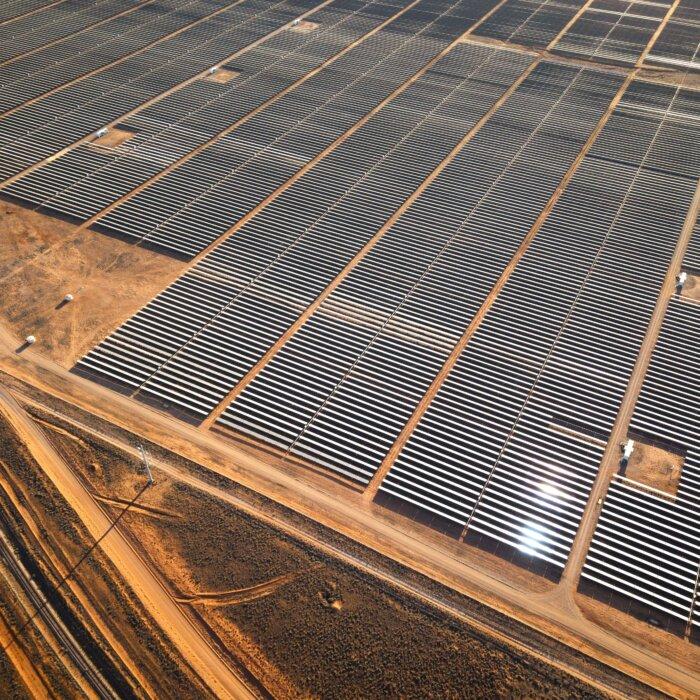
The surge comes hot on the heels of the Albanese government’s July rebate, which chops about 30 percent off the upfront cost of home and community batteries. Within a month of the scheme’s launch, around 20,000 new systems had been installed.
Waste Issue Still Present
But with the surge, comes the challenges: waste. Panels have a limited lifespan, and millions of them are heading for the scrap heap.A 2024 study by the Australian Centre for Advanced Photovoltaics at the University of New South Wales warns solar waste could reach 280,000 tonnes in 2025 and 1 million tonnes by the mid-2030s.
Most of that will come from small-scale rooftop systems, given Australia’s early and heavy embrace of home solar.
Critics Warn Solar Abundance No Guarantee for Energy
The cheerleading for solar also has its sceptics.At the Diggers and Dealers Mining Forum in Western Australia, Aidan Morrison from the Centre for Independent Studies told delegates it was not correct to see Australia as a “big bucket” of endless sunlight.
“Energy has huge value if it’s delivered at the right place and the right time,” he said.
“From a cold, hard engineering perspective, it is absolutely bonkers to think you can have that many panels sitting around producing in one spot while everywhere else goes without,” he added.
Morrison’s remarks highlight the challenges of matching solar’s vast potential with the gritty realities of storage, transmission and reliability.