The federal government will pay $475 million (US$310 million) to victims of the failed Robodebt scheme, in what is set to become the largest class action settlement in Australian history.
The compensation package, if approved by the Federal Court, covers hundreds of thousands of people wrongly pursued by an unlawful debt-recovery system that left some of Australia’s most vulnerable in financial and emotional turmoil.
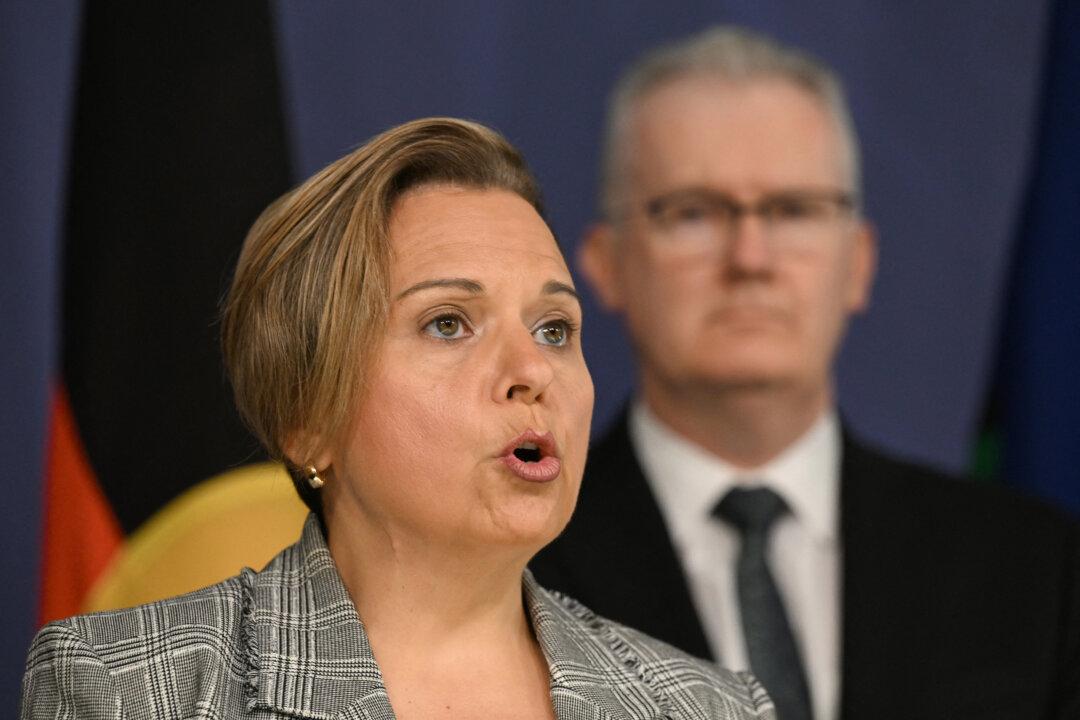
Attorney-General Michelle Rowland said the payout was both necessary and overdue.
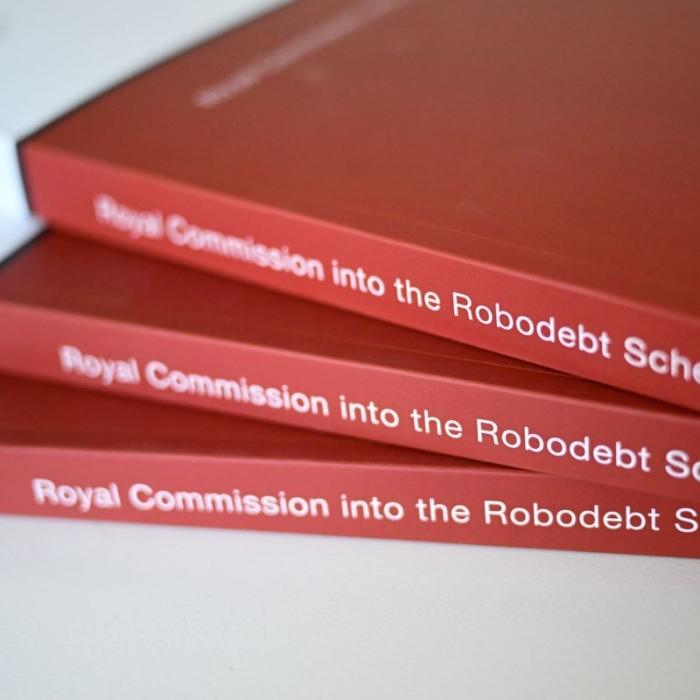
“The Royal Commission described Robodebt as a ‘crude and cruel mechanism, neither fair nor legal.’ It found that ‘people were traumatised on the off chance they might owe money’ and that Robodebt was ‘a costly failure of public administration, in both human and economic terms,’” she said in a statement released on Sept. 4.
Under the agreement, the court will also decide on separate amounts for legal costs, capped at $13.5 million, and for administering the settlement, capped at $60 million.
Class action members do not need to take any action other than ensuring their contact details are up to date with Services Australia.
Andrew Grech, a senior partner at Gordon Legal, said victims would not be treated as numbers.
“One of the problems brought about by Robodebt was people being treated like numbers. We’re not going to do that in this settlement,” he said.
How the Scheme Collapsed
Robodebt, introduced under the Coalition government, replaced human oversight with an automated debt recovery system.Instead of verifying actual fortnightly income, the program used an algorithm that averaged annual tax office earnings into fortnightly figures. The flawed method often produced inflated debts or false claims.
University of Queensland senior lecturer Tapani Rinta-Kahila said the process relied on “the automatic matching of two incompatible datasets” and described it as speculative at best.
“The debt collection process, in turn, resembled extortion—citizens were effectively scared to accept the debt and pay up. And many did,” he said.
The scheme compounded its failings with poor communication. Debt letters and the myGov portal failed to explain how debts were calculated, omitted helpline numbers, and made disputing debts extremely difficult.
Settlement to Rebuild Trust
The Royal Commission linked the scheme to at least two suicides, and victims described the process as degrading.Rowland said settling the case was about restoring fairness.
“Settling this claim is the just and fair thing to do,” she said.
Class action member and victim Felicity Button said the settlement was “the first step forward to rebuild that trust with the government.”
Lawyer Peter Gordon’s Gordon Legal, which led the case, said the outcome was vindication for those wronged.
But he warned governments against similar actions in the future.
Why the System Was Doomed
Kahila’s team say Robodebt failed because of a combination of technical flaws, lack of governance, and political motivations.The system shifted responsibility for proving debt from Centrelink staff to citizens themselves, many of whom were forced to track down years-old payslips or bank records.
Before Robodebt, human caseworkers treated automated matches as raw leads and verified them manually. But in this scheme, notices were issued without verification.
Vulnerable people, some already living below the poverty line, received debt claims that were not only false but difficult to challenge.
Governance failures also played a part. Agencies like the Digital Transformation Agency and legal experts were excluded from development, and little testing was done before rollout.
Analysis adds that political tunnel vision drove the scheme, with leaders focused on meeting financial targets by portraying welfare recipients as fraudsters.