One in every five people who needed mental health care in the past year delayed seeking treatment or did not see a health professional at all due to cost, a new report from the National Mental Health Commission has found.
It notes that the prevalence of mental health disorders has sharply increased among young people aged 16 to 24, from 25.8 percent in 2007 to 38.8 percent in the years 2020 to 2022.
There has also been a decline in the proportion of people reporting a high sense of control over events in their lives between 2019 (75.8 percent) and 2023 (71.3 percent).
Several factors appear to be driving that, the most significant being the cost of living. The proportion of people finding it difficult or very difficult to cope on their present income has doubled to 34.6 percent in January 2024 compared to November 2020, with women consistently reporting higher levels than men.
That’s leading to delays in seeking treatment.
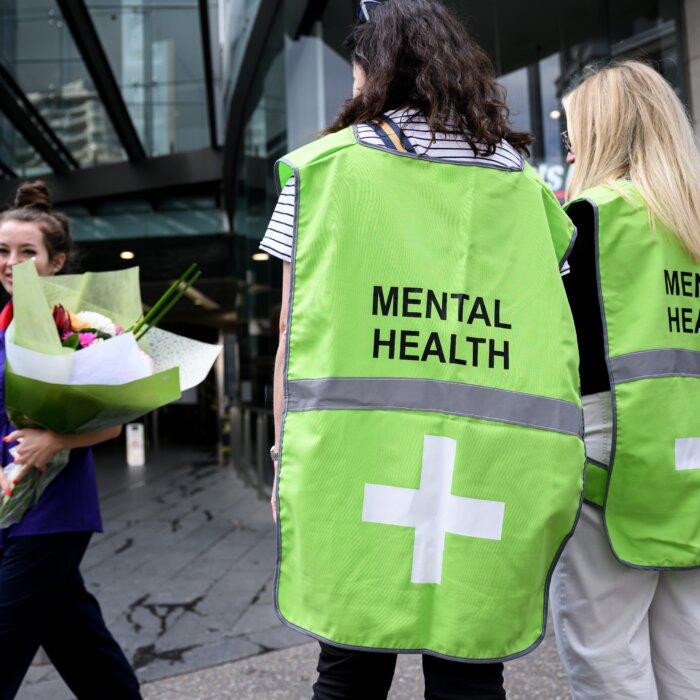

In 2023/24, 20.4 percent of respondents to the ABS Patient Experience Survey said they had delayed or did not see a health professional for their mental health due to cost, higher than in 2020/21, when it was 12 percent.

Loneliness, Homelessness, and Anxiety
Isolation is also a factor in declining mental health, with an estimated 15.3 percent of all people aged 15 and over reporting loneliness in 2011, and the same figure being repeated 12 years later in 2023.However, the problem is more than twice as bad among those with long-term mental health issues.
In 2023, 35.1 percent of those people reported loneliness, compared to 19 percent of people with another long-term health condition (excluding mental health) and 12.3 percent of people with no health concerns.
Homelessness is also a factor, though increasingly more so for women. Between 2016 and 2021, the rate of homelessness for females increased from 41 to 42 per 10,000, while for males it decreased from 58 to 55 per 10,000.
People with anxiety disorders waited the longest before seeking treatment after the onset of the disorder, with a median of 11 years, while those with mood disorders delayed seeking help for a median of three years.
Among people presenting to health services with a current mental health issue, the most common reasons for seeking assistance were housing crisis, such as eviction, family and domestic violence, and inadequate or inappropriate dwelling conditions.
CEO of the Commission, David McGrath, says it’s disappointing that many social factors impacting mental health are not showing improvement, while positive experiences of mental health care have remained stable.
“There are some encouraging signs of progress, including a continuing reduction in [the use of] seclusion and restraint [to treat mental health patients in hospitals] between 2022/23 and 2023/24, and more people with a mental disorder accessing care in 2020/2022 compared to 2007,” McGrath notes.
Mental Health Care Accessibility
Rural and remote areas of Australia have experienced a decline in the accessibility of general health services, and the picture is no different for mental health.Nationally, the proportion of people who had contact with a specialised community mental health care service within a week of leaving hospital increased over the last decade, from 67.4 percent in 2013/14 to 76.2 percent in 2022/23.
However, there was very little improvement in that number between 2019/20 and 2022/23. For people in “very remote” areas, it dropped from 72.2 percent in 2021/22 to 64.5 percent in 2022/23.
This was also evident for people living in areas classed as “remote,” which fell from 81 percent in 2021/22 to 74.9 percent in 2022/23.
“There is no question there is a long way to go,” McGrath says. “Our younger generations continue to report heightened psychological distress and financial stress, and have a much higher prevalence of mental health challenges relative to the rest of the population.”
He says it’s important that funding for mental health supports and treatment meet the needs of communities.
“We need to see planned service commissioning matched to people’s needs, with greater integration amongst health services and with other services, like housing and financial supports. Ultimately, everyone deserves fair access to the right mental health care, no matter where they live or how complex the system may be.”