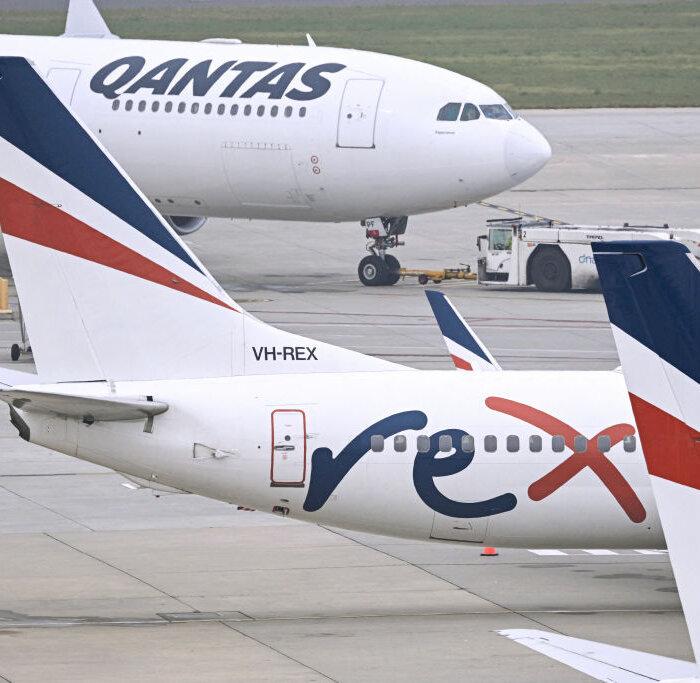
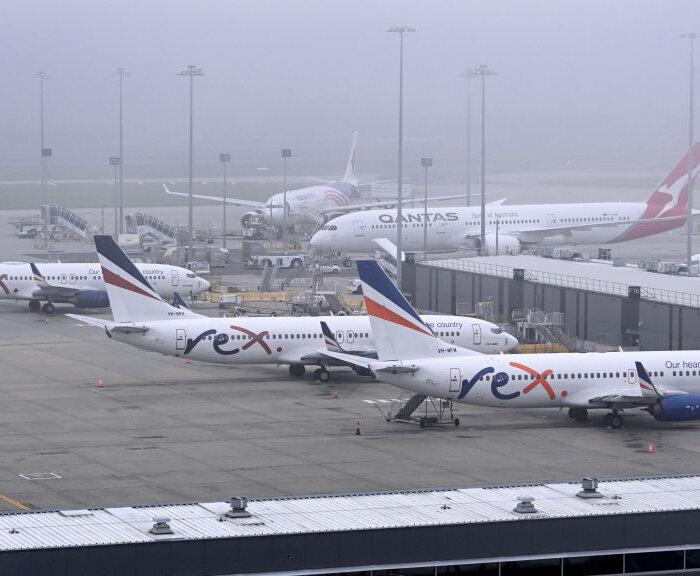
Air T, a U.S. company headquartered in Charlotte, North Carolina, is planning to buy Australian airline Regional Express (REX).
Rex entered voluntary administration in July 2024 and was forced to stop its services between major cities. Regional services continue to operate with the help of an $80 million lifeline from the federal government.
Now, Air T has entered into an agreement with the administrators of Rex and hopes to close out the deal by the end of 2025. The deal is subject to regulatory approval.
The company also revealed it had been in close talks with the federal government.
“Air T has been working closely with the administrators and the Australian government, Rex’s secured lender, to develop a solution that best serves the interests of all stakeholders,” Air T said.
“To support the implementation of the acquisition, Air T and the Commonwealth of Australia have entered into an agreement pursuant to which Rex’s financing arrangements will be restructured in connection with the acquisition.”
The potential revival of REX could provide more competition in Australia’s domestic airline market, which is dominated by Qantas and Virgin.
Air T, established in 1980, is listed on the American Stock Exchange on the NASDAQ and is an aviation holding company that owns and manages companies in the aviation sector.
Air T has interests in overnight cargo, commercial aircraft engine and parts, aviation ground support, equipment sales, and digital solutions.
In light of the potential acquisition, Air T talked up the potential for the acquisition to grow Rex’s regional airline business and continue to employ staff.
“Rex plays an essential role in connecting regional Australian communities. Approximately 50 percent of Rex’s routes are not serviced by any other airline,” Air T said.
The company also revealed plans to bring back Rex’s Saab 340 fleet to the skies.
Federal Government Welcome News
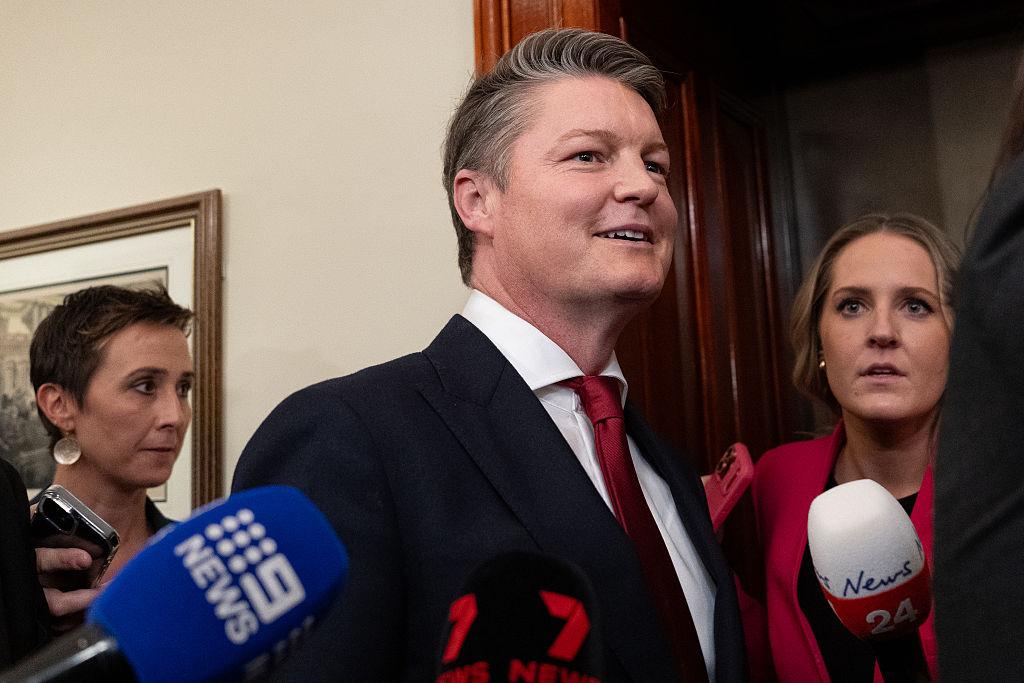
Infrastructure Minister Catherine King welcomed the news of the sale and implementation deed. She said it marks a positive step towards bringing Rex out of voluntary administration.“As the sale process led by the administrators is still underway, the Australian government will not comment further at this time.”
Back in August, King had expressed confidence that a business would purchase Rex.
AirT is Keen to Serve Regional Areas
Air T said it would work to ensure Rex continues to operate on a sustainable basis and provide critical services to regional Australians.“Air T believes it was selected to acquire the company in part because of its long-term investment horizon, experience in regional aircraft, and commitment to stabilizing and growing Rex,” the company said.
“The transaction remains subject to certain other approvals, including approval by Rex’s creditors and the Federal Court of Australia.”
The share price of Virgin Australia (VGN) fell 2.5 percent on Oct. 22 amid the news of a future competitor. Virgin only re-entered the Australian stock market on June 24 after being delisted during the COVID-19 pandemic.
Qantas shares are also down 0.7 percent on the market at the time of writing.