A review into ministerial appointments to a range of public boards—which the government delayed for two years—reveals a system that is “not fit for purpose” and created outcomes that “looked like forms of patronage and nepotism that should have no place in the modern Australian society.”
Those are the words of Lynelle Briggs, former commissioner of the Australian Public Service, who was asked to review the appointment process in 2023.
The report, titled “No Favourites” was presented to the government in August of that year, but has only been released after sustained pressure from Senate crossbenchers, including triggering an overrun of Question Time that lasted three-and-a-half hours.
The criticisms from Briggs, former Medicare CEO, was not confined only to Labor, but also Coalition-era appointments.
The report says that while only six to seven percent of all board appointments can be automatically described as “political,” as many as half in some portfolios are “direct appointments” made by ministers.
In the absence of clear standards, ministers can appoint anyone they wish to important governance positions.

This can have “significant impacts on our national life,” and, once appointed, the public has limited ability to hold those people to account for their actions.
“The extent of perceived political appointments in recent years has contributed to a climate in which public trust in government has been undermined.”
There is an “absence of clearly defined rules or processes” and “little transparency about how appointment decisions are made.”
Reforms Yet to be Implemented
She notes that when similar weaknesses were found in the processes used in the United Kingdom, Canada and New Zealand, those countries implemented reforms, but “Australia stands out in having done little to support ministerial prerogative in making appointments.”Current procedures “are not fit for purpose,” Briggs concludes, and recommends extensive reforms, including a 10-step appointment process that makes use of independent assessment panels and a “skills matrix” against which potential appointees can be assessed.
“Where direct appointments are made, the minister will be transparent about it and will explain the reasons publicly in the announcement of the appointment.”
Not only would such a process help prevent unsuitable appointments based solely on political loyalties and favours, but “more highly capable people will in turn want to join government boards,” Briggs predicts.
“The chance to do meaningful work that contributes to our country is attractive, and will no longer be seen as a closed shop accessible only by the chosen few. Instead, government board service will be an honour that more people aspire to.”
Briggs also recommended that direct ministerial appointments should be banned in the six months leading up to elections to minimise overtly political appointments, and politicians and their staff should not be eligible for appointment to boards for six months after leaving politics, or 18 months in the case of ministers’ portfolio areas, but Finance Minister Katy Gallagher has rejected that and the use of assessment or interview panels.
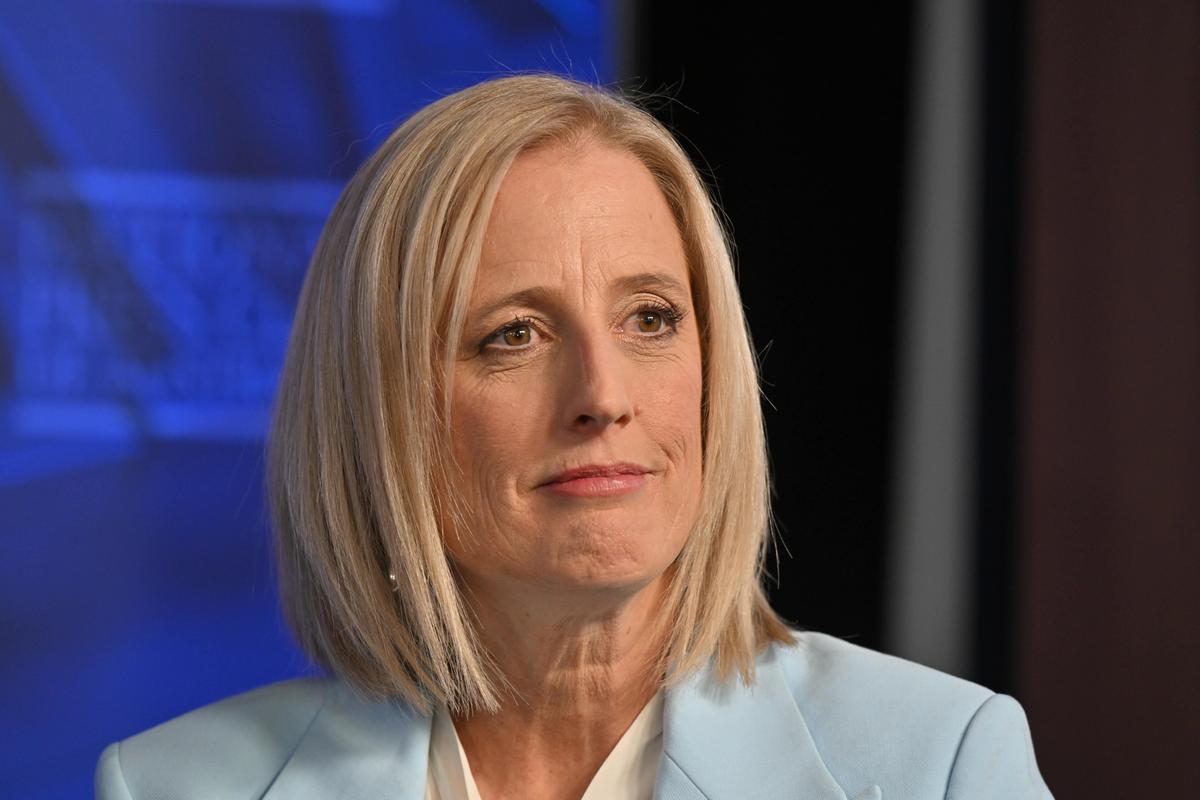
Instead, the government’s response is an unlegislated “appointments framework” that aims to “support ministers to make the best possible merit-based appointments.”
It sets out seven principles for appointments to government roles, starting with ministers endeavouring to make the best possible choices based on merit.
“It is very disappointing the Albanese government has refused to accept the full suite of recommendations from the Briggs Review designed to stop the rampant ‘jobs for mates’ culture that exists in federal politics. It is no surprise there is such low trust in politicians. Communities constantly call for more integrity but are ignored.”
Industry Minister Tim Ayres told ABC Radio National that Labor had only ever made appointments “in the national interest.”
“We’re focused on the purpose of the organisations and the appointments that we make. We’re shaping our approach to these issues, of course. But these are good appointments ... They’ve all been made following the proper processes.”