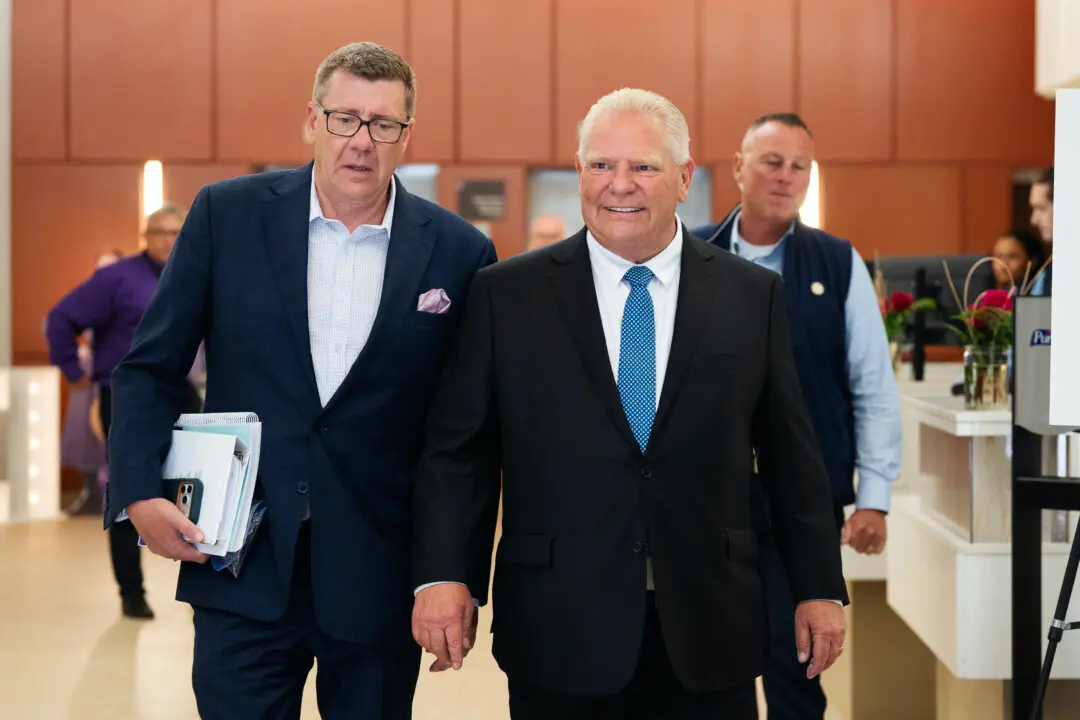
An early look into how Canada’s new grocery code of conduct is faring finds there’s hesitation among suppliers and retailers to bring up concerns about their counterparts, for fear it could strain their business relationships.
Suppliers weren’t the only ones reluctant to raise issues with major grocers. Independent retailers also held back on raising concerns with their suppliers, the Office of the Grocery Sector Code of Conduct’s report showed.
A snapshot of the first five months of the code’s implementation also found that some members had misconceptions about the role of the office in resolving issues.
Karen Proud, president and adjudicator of the code, acknowledged this reluctance is a challenge and the office has taken steps to establish trust among signatories.
In May, the office started allowing members to submit issues anonymously, even though it limits the office’s ability to follow up on those complaints.
“Our work really depends on that information and insights that we gather from the industry,” Proud said in an interview.
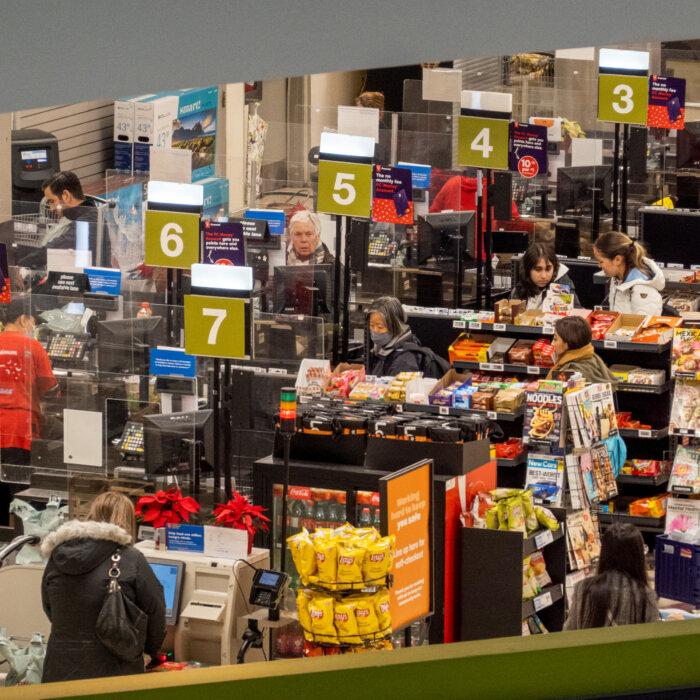
The code, which came into effect at the start of this year, is a voluntary framework to promote fair dealings between grocers and their suppliers.
It was established in response to contentious fees being charged to suppliers by large grocery retailers, an issue that came to a head in 2020 when Walmart Canada and Loblaw each introduced new supplier fees to help pay for infrastructure investments.
One of the misconceptions is that some people are viewing the issue submission portal as an individual complaint and response mechanism rather than a broader information and data-gathering tool to identify trends and patterns, the report found.
“We don’t act on, necessarily, individual complaints that come in,” Proud said. That’s not how the office was set up, she added.
“If somebody wants to have their specific issue addressed, they really ... need to try and work things out with their commercial partner,” Proud said.
The code’s role is to understand patterns and trends through the types of complaints submitted and inform its actions and outreach, the report said.
Mike von Massow, a food economist at the University of Guelph, said the initial hope was for the code of conduct to set parameters and guardrails that give companies a framework to resolve issues among themselves.
“What they’re discovering is there’s still some hesitation to do that,” he said.
But he said it will take time as retailers, manufacturers and suppliers get used to the new system.
“This is an evolution rather than a revolution and I think (the code’s implementation) is a positive step forward,” von Massow said.
Proud agrees. She said the spring report helped identify themes and areas that need more attention in the coming months and the office is already working on that.
She said the office is educating members about the code—and what it does with the information it receives, hosting seminars and creating more awareness about what the code covers and what it doesn’t.
A total of 200 businesses across the food supply chain signed onto the code, including all major grocers, Proud said.
But she said fewer small entities have joined and there’s work to do to encourage higher uptake. For example, only a few hundred suppliers have signed up out of a few thousand across the country.
“This is new to a lot of people,” she said.
“I think for some, they may be sitting back and waiting to see how it all plays out before joining,” Proud said. “Others may not have that level of awareness about the code, where they’re interested in joining up.”
Henry Chambers, senior vice-president of Canada and the Americas at consulting firm Sentinel, said the next step for the code is to instil confidence among members so that they can submit complaints without fearing retribution.
He said as more people submit issues confidentially and patterns emerge, it would allow the adjudicator to call out bad behaviour.
Chambers, who has worked closely with some members of the code, said the code is still in its infancy, but the future reports need to criticize breaches publicly when evidence builds up against a firm.
“(It) will be critically important when (Proud) brings out the other reports that it is a name-and-shame,” Chambers said.
That would show members that things they’ve been worried about can have consequences once they raise their hand up and share concerns, he said.
Still, Chambers said the code is progressing better than other countries, such as the United Kingdom and Australia, when they first adopted similar measures.
For example, it took two years for a manufacturer to contact the adjudicator in the U.K. In Canada, meanwhile, the code received 14 complaints between July 2025 and May 2026.
“It’s going better and faster than the implementation of some of the other countries, but you can’t take your foot off the gas,” he said.