Consumers would save $1.2 billion a year under a proposal from the Reserve Bank of Australia (RBA) to scrap surcharge fees on both credit, debit, and EFTPOS cards.
At present, the surcharge adds about $60 a year per card-using adult to the cost of banking.
“Surcharging is no longer achieving its intended purpose of steering consumers to make more efficient payment choices,” the bank said in a statement.
“Avoiding surcharges has become harder as cash usage has declined, [and] businesses are increasingly charging the same surcharge rate across debit and credit [cards].
“Removing surcharging would make card payments simpler [and] more transparent and help to increase competition in the card payments system.”
It would also mean consumers don’t need to switch between payment methods to try and avoid a fee, the report stated.
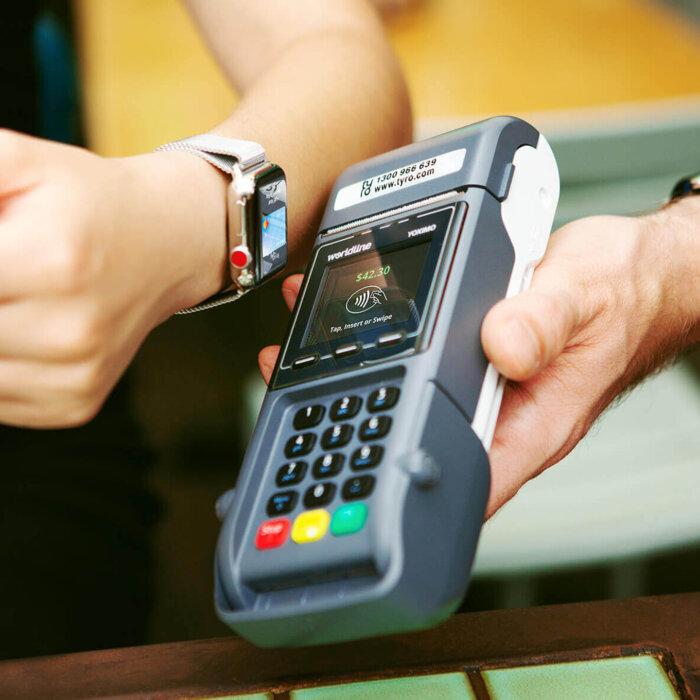
The RBA also recommended lowering the cap on interchange fees, which are paid by a business to a customer’s card issuer when a transaction takes place. This has the potential to save another $1.2 billion, the bank says.

Savings for Small Business
It estimates that around 90 percent of Australian businesses would be better off under the proposed policies, with small businesses set to save $185 million.“The proposed reductions to interchange caps would benefit small businesses the most, as they tend to pay fees closer to the existing caps. Introducing caps on foreign interchange fees would help to lower fees for all businesses accepting international cards,” the bank says.
The bank’s proposals go further than what was planned by the federal government.
Treasurer Jim Chalmers had said the government was prepared to ban fees on debit card transactions from the start of 2026, but the RBA has included credit cards.
RBA Governor Michele Bullock said both consumers and businesses benefited from the proposal as fewer Australians make cash payments.
“We think the time has come to address some of these high costs and inefficiencies in the system,” she said. “The payments landscape is always evolving, and it’s critically important that we keep pace to ensure it remains safe, competitive, and efficient.”
The RBA will first have to remove its own prohibition on “no-surcharge” arrangements to achieve scrapping the fees.
It expected the card networks would then follow by implementing “no-surcharge” rules based on historical experience and arrangements in other jurisdictions.
Transparency on What Fees Are Charged
The bank also plans to require card networks and large acquirers to publish the fees they charge.“Improving transparency and competition will help all players better understand the fees they are charged and make it easier for businesses to shop around for a better deal,” it says. It’s hoped this will improve competition between the card networks.
Business Representatives Concerned Costs Will Be Hidden
But small business doesn’t agree that it will benefit from the proposals, and warn that costs will simply become hidden.The Independent Payments Forum (IPF) has warned that the proposed reforms do not go far enough for retailers, restaurants, cafes, and convenience stores.
“Removing surcharges doesn’t remove all the cost; it simply hides it,” said the council’s chair, Matthew Addison.
“The RBA’s claim of $1.2 billion in consumer savings is a mirage. The reduced interchange fee is welcomed; however merchant fees include many other charges. The reality is that these fees will still be paid, just not disclosed. That cost will be baked into the price of coffee, groceries, and services across the country,” he said.
“No matter how low merchant fees go based on the RBA’s intention to save businesses $1.2 billion, with no surcharging, businesses who previously paid net $0 in merchant fees, will now be faced with the bill,” Lambert said.
“The so-called ’savings’ to consumers is a mirage. If this ban goes ahead, small businesses will have no choice but to raise prices across the board just to survive.”
The Australian Banking Association did not respond to a request for comment, but in the past has supported reforms to reduce offshore card fees, which could provide additional cost relief for retailers in tourist-heavy areas.
Any changes won’t commence until July 2026.