Canada has become a high-risk zone for a lesser known but dangerous tick-borne illness as blacklegged ticks continue to expand north from the United States, researchers say.
Lyme disease remains the No. 1 tick-related risk for people exploring nature, but health officials are now warning about the spread in Canada of another tick-borne condition, called anaplasmosis, that attacks white blood cells.
The report offered no national statistics on anaplasmosis cases, but researchers said there has been a marked increase in Quebec and Manitoba.
Ontario, however, appears to have the highest incidence rate. Researchers identified southern and eastern Ontario as “particularly high-risk zones” as ticks advance northward at a pace of 35 to 55 kilometres annually due to climate change.
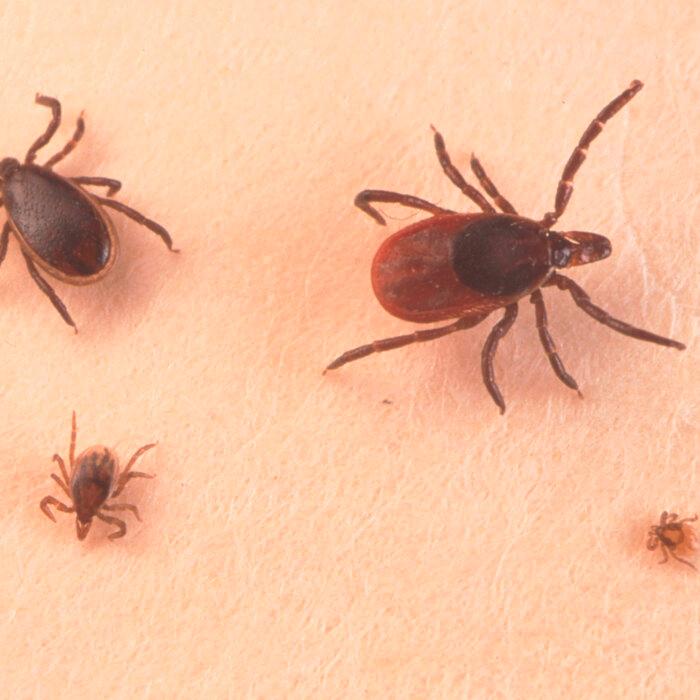
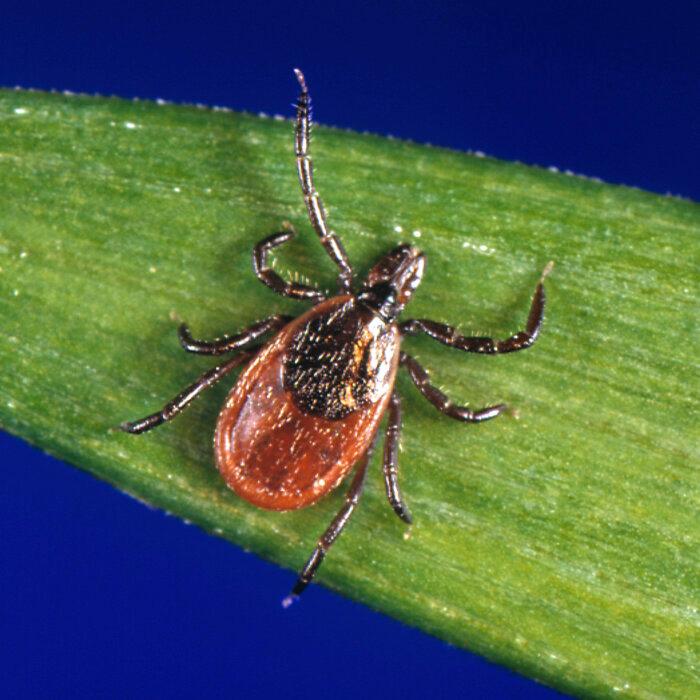
Anaplasmosis can cause acute, flu-like symptoms and severe complications, such as myocarditis. The most common symptoms include fever, chills, severe headache, myalgia, abdominal pain, nausea, vomiting, diarrhea, and loss of appetite.
Complications arising from an anaplasmosis infection can be extremely severe, including seizures, coma, organ failure, respiratory failure, heart failure, and neurological symptoms such as alterations in mental status, involuntary muscle contractions, and, although infrequently documented, meningoencephalitis.
Treatment Options
Identifying the illness and receiving treatment early can prevent “life-threatening complications,” the researchers noted, using the case of a senior from a rural area in eastern Ontario as an example.The 79-year-old man went to a community hospital with “fatigue, chills and generalized weakness that led to a fall.”
He was diagnosed with anaplasmosis, which led to acute myocarditis, a rapid inflammation of the heart muscle that has the potential to weaken the heart.
The patient was given the current recommended treatment—oral doxycycline—to also treat any possible coinfection with Lyme disease.
The recommended dose is 100 milligrams of oral doxycycline, administered twice daily for a duration of 10 to 14 days, the researchers said, noting that patients typically improve within 24 to 48 hours. The patient showed improvement within this period and was discharged in stable condition after an eight-day hospital stay.
“At 4-month follow-up, he was asymptomatic” and an ultrasound of his heart showed “normalized ventricular function,” the report said.
Patients who don’t respond to the treatment should be re-evaluated and considered for “alternative diagnoses,” the researchers said. Pregnant patients or those with life-threatening allergies to doxycycline should consult infectious disease specialists about alternative antibiotics, they added.
Health Canada also recommends placing clothing in the dryer on high for 10 to 15 minutes after being outdoors to help kill any ticks that have found their way into your clothes and showering within two hours to help rinse off unattached ticks.