Rents across Australia have soared by nearly 44 percent in the last five years, according to a new report.
The Cotality National Rental Value Index, released on Oct. 8, showed national rents rose 4.3 percent in the year up to September to an average of $672 a week, including both capital cities and regional areas.
“Although well below the nearly double digit growth seen in 2021 and 2022, the September result is more than twice the pre-COVID decade average of 2.0 percent per annum.”
Cotality said the renewed surge in rents would come as more bad news for renters already struggling with cumulative increases of 43.8 percent in the past five years, warning it could also complicate the inflation and cash-rate outlook.
The report identified a persistent shortage of rental properties as a key factor behind the surge, despite high investor activity.
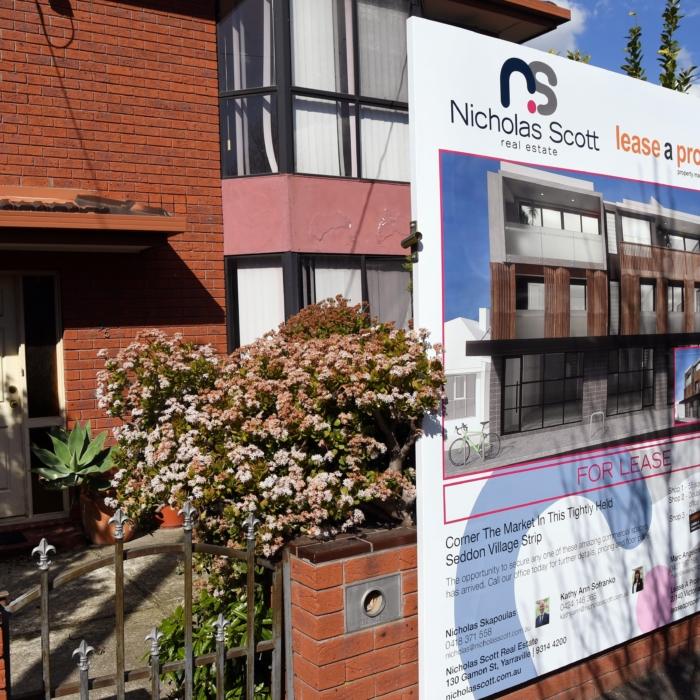
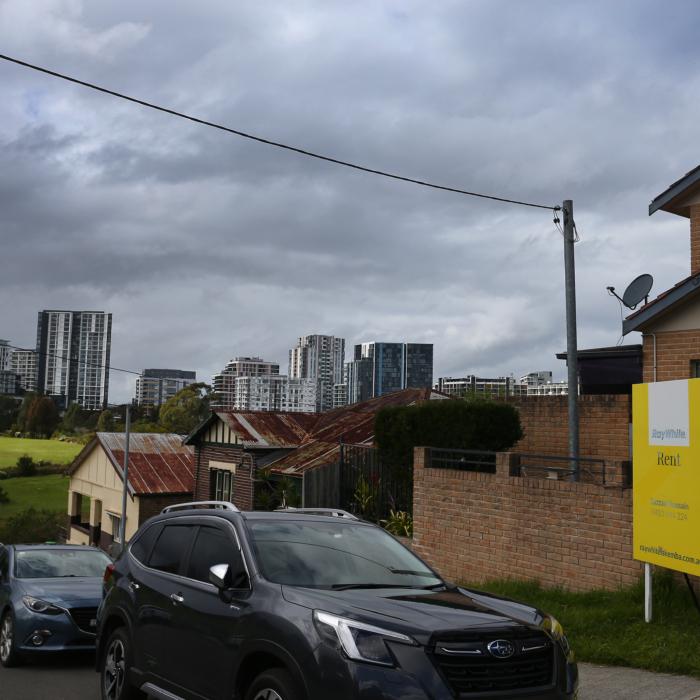
“While investors have comprised an elevated portion of home lending over the past two years, this hasn’t translated into additional rental stock,” the report stated.
Over the four weeks ending Sept. 28th, the national number of rental listings was roughly 25 percent below the previous five-year average for this time of year, with “for rent” unit listings in particularly short supply.
City Breakdown
The median rent in Sydney rose 3.5 percent in a year to $807 (US$531), while Melbourne rentals rose 1.4 percent to $615, and Brisbane rents climbed 5.6 percent to $696.Adelaide rents rose 3.9 percent $633 per week, Canberra 2.8 percent to $680, Darwin 7.6 percent to $687, and Hobart 6.2 percent to $584.
Across the capitals, the median rent is up 3.7 percent to $702. Regional rents surged 5.9 percent to $591.
Economist Cites Supply Pressures
Cotality Economist Kaytlin Ezzy said the strong momentum in rental growth reflected a deep shortage in supply.She added that the supply is particularly tight in the unit sector, especially in Sydney, where vacancy rates fell to record lows of 1.35 percent for units and 1.64 percent across all dwellings.
“While investors have comprised an elevated portion of home lending over the past two years, this hasn’t translated into additional available rental stock,” she added.
Ezzy suggested the recent rental increases could complicate the inflation and cash rate outlook.
Report Says Rental Growth Easing
Meanwhile, a separate rental report by Domain found that rental growth was “flatlining” in the majoirty of cities.Domain Chief of Research and Economics Nicola Powell said rental growth had begun to hit a pause.
“But we’re now seeing annual rates of growth stalling for two consecutive quarters, which is a sign that the frantic growth is in the past.”
US Rents Fall
In contrast to Australia, the median rental cost across the United States fell 2.2 percent in the year to August 2025, according to Realtor.Las Vegas rents fell 4.6 percent, Austin rentals fell 6.5 percent, and Denver, Aurora, and Centennial rentals dropped 7 percent.