The typical Australian renter is now spending about one third of their household income to keep a roof over their head as affordability reaches new lows.
Annual growth in rental prices accelerated to 5.9 percent in the June quarter, up from a low of 3.4 percent in mid-2025, a report by data analysis firm Cotality revealed on July 9.
Nationally, the median rental climbed to a record $705 (US$489) a week, even as quarterly growth eased to 1.6 percent from 2.1 percent in March.
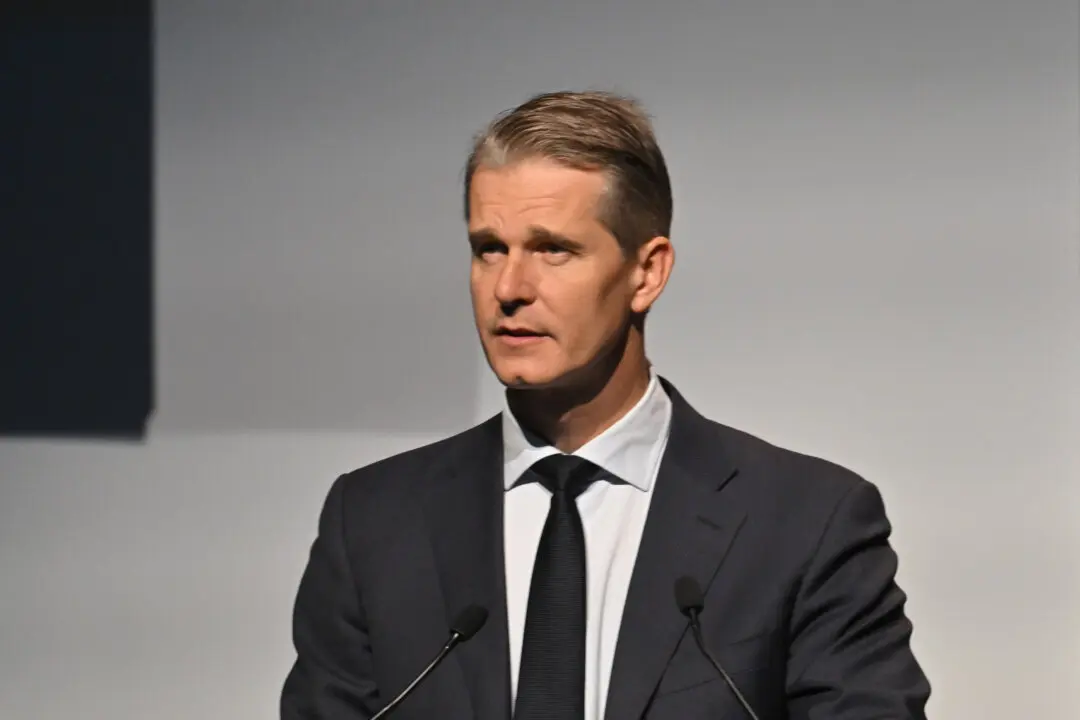
With households stretched to the absolute limit, the market was likely to soften, Cotality head of research Gerard Burg said.
“One of the things we are asking a question about, and there isn’t really a clear answer yet, is whether affordability pressures are somewhat of a constraint to how much rents can increase right now,'' Burg said.
“Households are devoting about a third of their income to rent.
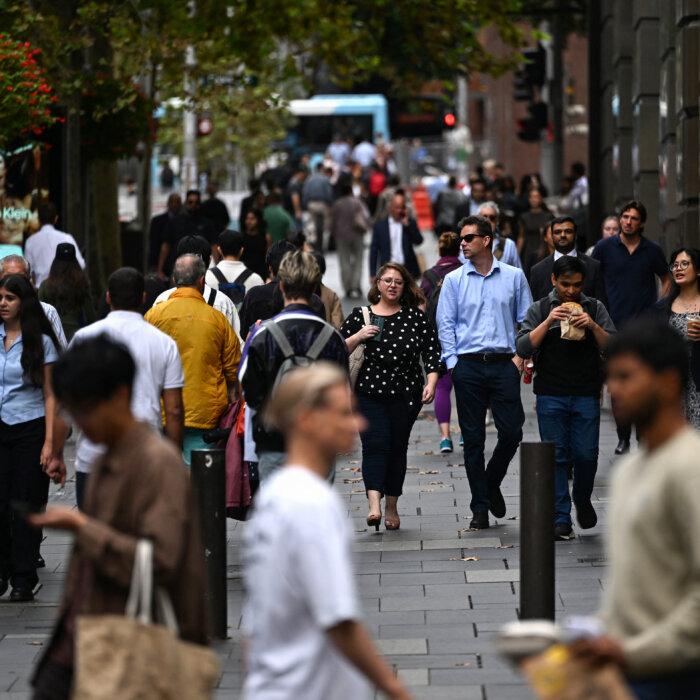
“That’s a record high and really speaks to the general pressure”.
The median rental in Sydney costs $841 a week and Hobart, the cheapest capital city, has a median rental of $632.
Rental growth has been driven by a shortage of available homes.
Vacancy rates have been stuck at 1.6 percent for two quarters and rental listings are down 17 percent from the five-year average.
The vacancy rate is lower in almost every capital city than it was 12 month ago, when rents were not as high.
For the poorest Australians, the proportion of their incomes devoted to rent has grown even faster than the median renter since the 1980s, Kate Raynor, a fellow at progressive think tank Per Capita, said.
“Younger Australians are 2.5 to 3.5 times more likely to experience housing stress than those over-65s,” she told a parliamentary inquiry into housing inequity in Melbourne.
“We want to stress to the committee, though, that this is not only a story about age; it is fundamentally a story about income.”
While boosting affordable housing supply would help tackle the rise in rents, increasing jobseeker and wages for low-income earners was also needed to improve rental affordability, Raynor said.
Changes to negative gearing and the capital gains tax discount, announced in the May budget, have flipped the majority of investor strategies from caring about capital to keeping an eye on yields.
But Burg said blaming the high rent prices—and in turn high yields—solely on the budget was misguided. War in the Middle East, surging cost of living and supply constraints were also significant factors.
Yield went up by 3.7 percent across the June quarter, reflecting the downturn in property values since the May budget.
Community Strong Australia MP Allegra Spender said economists agreed that changes to investor tax breaks were not the major factor in rising rents.
“But the truth is, we absolutely need to build more homes,” she told Sky News Australia.
While there were some useful things in the budget, like support for using AI to speed up planning and approval processes, more needed to be done to bring skilled tradespeople into the country, Spender said.