Former Conservative minister and Reform UK spokeswoman Ann Widdecombe was hit in the head 21 times with a hammer while eating lunch at home, the prosecution told a court hearing as a man was charged with her murder on Tuesday.
Widdecombe, 78, was eating at around noon on July 8 when Kerry allegedly drove to her house in an isolated village in the south-west of England, prosecutor Kashif Malik said.
Kerry allegedly walked through the front door and beat her with the hammer before taking her wallet, and was gone within two minutes of arriving, the prosecution claims.
Blunt force injury to the head was listed as the provisional cause of death.
Motive Under Investigation
Kerry, dressed in a gray sweatsuit, spoke only to confirm his identity and did not enter a plea. He was remanded in custody and is scheduled to appear at the Central Criminal Court, also known as the Old Bailey, on Oct. 9, for a case management hearing. A provisional trial date for the trial was listed for June 8, 2027.
In the wake of the murder, Nigel Farage’s Reform party called for all lawmakers to be given “full security” if they want it.
Widdecombe was a high-profile Conservative MP from 1987 to 2010, serving as employment minister and then prisons minister in Prime Minister John Major’s government in the 1990s.
Since stepping down from her position as an MP in 2010, she found fame as a reality show contestant, proving popular with viewers on the BBC series Strictly Come Dancing in 2010, and on Celebrity Big Brother, where she was runner-up in 2018.
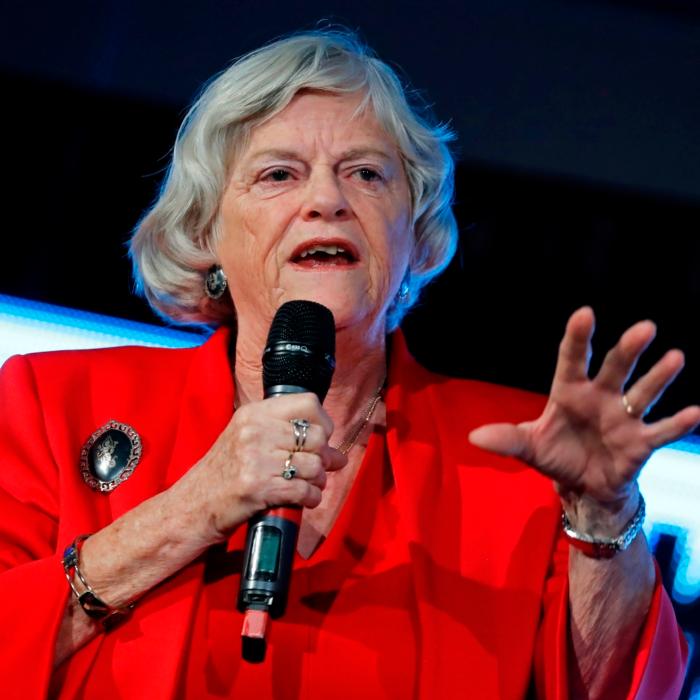
She returned to politics as a member of Farage’s Brexit Party in 2018, frustrated with the inability of the Conservative government to get a deal to leave the European Union over the line. She served as a Member of the European Parliament from 2019 to 2020, with the Brexit Party evolving into Reform UK once the UK had left the EU.
Widdecombe was the Justice spokeswoman for Reform at the time of her death, regularly appearing in the media. As a commentator, as during her parliamentary career, she was known for her way with words and robust debating style.
Found by Gardener
After she failed to appear for a scheduled interview on July 8, TV producers called her assistant, who contacted her gardener, prosecutors told the court. He found Widdecombe lying face down on her kitchen floor the following day.
Her death was announced by her agent on July 10, and was widely reported in the media that morning, before police revealed the death was being treated as a murder and launched a manhunt.

Tributes were paid to Widdecombe from across the political spectrum, with former Conservative Prime Minister Boris Johnson calling her “a heroic Brexiteer,” while Farage described her as “a remarkable woman” who was “the fiercest proponent of free speech.”
Widdecombe was known for her Christian, socially conservative views, including opposition to abortion, same-sex marriage, and gender ideology, and to euthanasia.
Her murder has renewed concerns over security for politicians, which had been tightened in the past decade following the murders of two prominent lawmakers.
Police investigating Widdecombe’s murder initially arrested a 26-year-old man in the local area, who was released without charge before they arrested Kerry.
Devon and Cornwall Police have been criticized for saying in their first statements after the killing that it was not believed to be a terror-related crime and there was nothing to suggest it was politically motivated.
In the days following Widdecombe’s murder, lawmakers including the new Prime Minister Andy Burnham, have called for increased security for all MPs.
Speaking on July 14, before he took office, Burnham told reporters: “I do think we need now a serious review of MPs’ security. I certainly am prepared to do that ... we do have to deal with the reality of the situation we’re in.
“It’s easy to blame social media, but it feels like it’s having some impact in just building that kind of toxicity that’s around the political debate.”
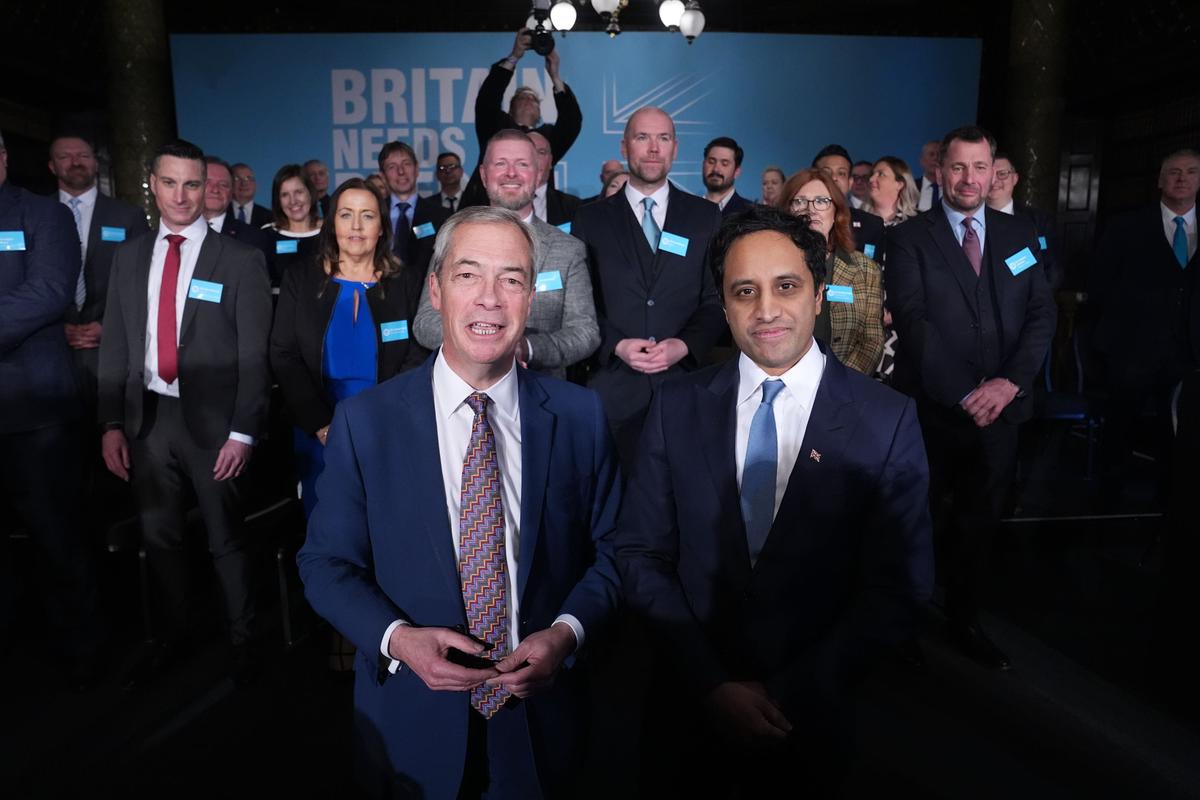
Zia Yusuf, Reform’s home affairs spokesman, called for all lawmakers to be given full security if they feel they need it, and accused other politicians and the media of fueling hostility against the party, which, he said, had led to death threats against Farage and others.
Speaking at a news conference on July 15, Yusuf said, “If Reform win the next general election ... I will ensure that all members of parliament, of all parties, are provided with round-the-clock protection.”
“We will also allocate significant new resources to protect former politicians still active in public life.”
The Metropolitan Police said on the same day as Yusuf’s comments that a man had been arrested and bailed on suspicion of sending threatening communications to an MP in a social media post in May, with Farage telling the Telegraph that he was the lawmaker in question.
The Reform leader told the newspaper, “This is the first time the police have ever proactively acted on a social media post, and I hope they are looking at the other three or four hundred similar posts from this year alone.”
In a Parliamentary session on July 13, Home Secretary Shabana Mahmood offered Farage a meeting with the chair of the Royal and VIP Executive Committee, the home office body that manages the security of MPs.
Security measures were bolstered after Cox’s murder, with MPs offered panic buttons and additional locks at their homes and offices. After Amess’s murder, lawmakers were offered trained security protection when meeting voters.
There are 650 sitting MPs in the House of Commons, who have no automatic entitlement to security once they leave Parliament. Former prime ministers continue to receive police protection when they leave office, but the government does not publish the cost or operational details for security reasons.