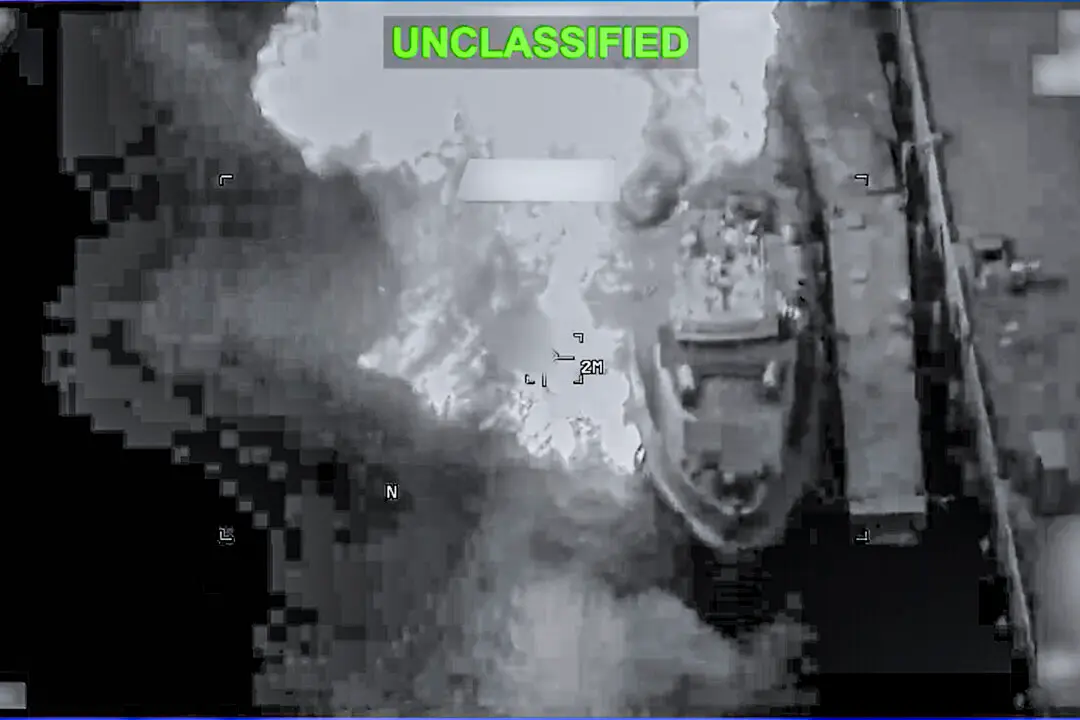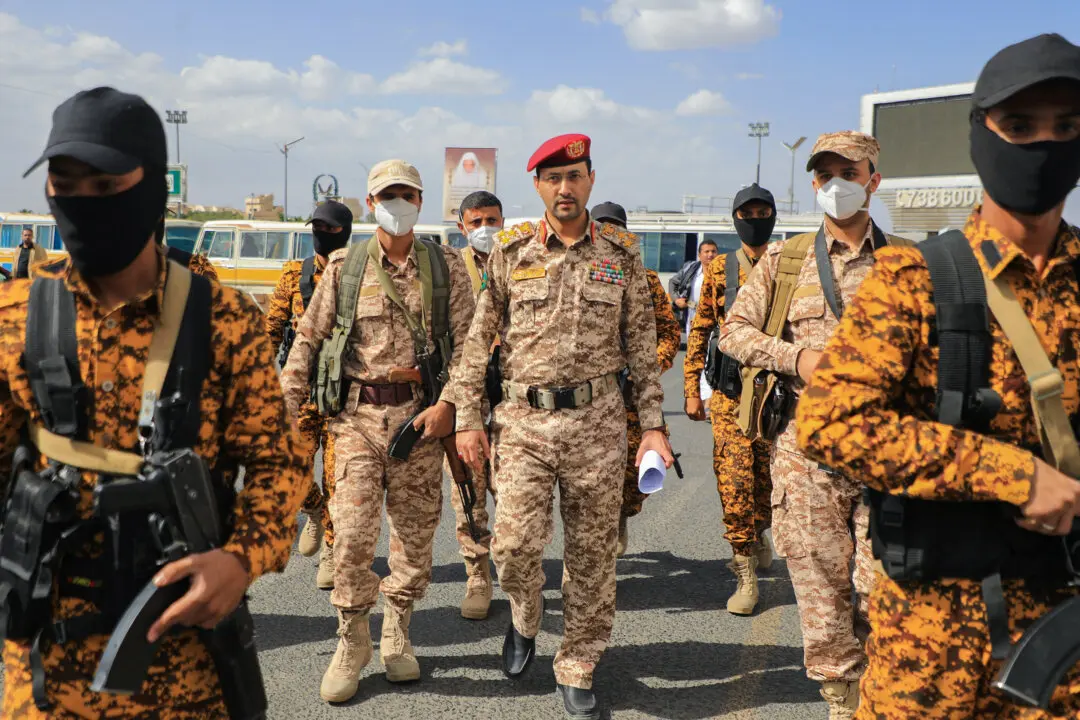
Commercial traffic through the Bab el-Mandeb Strait fell to its lowest level in months on July 26, shipping data showed, as Yemen’s Houthi forces continued attacks and threats against Saudi-linked shipping despite a pause in U.S.–Iran military strikes.
Eleven commodity vessels passed through the narrow waterway linking the Red Sea and the Gulf of Aden on Sunday, according to Kpler data. Seven were oil tankers, including three that entered the Red Sea.
The renewed disruption threatens a route that has become more important for Saudi crude exports as traffic through the Strait of Hormuz remains sharply reduced amid the U.S.–Iran conflict.
Ongoing tensions in the Strait of Hormuz have prompted Riyadh to export most of its oil via the Red Sea, rather than through the Persian Gulf, where Tehran has been asserting control, menacing ships that try to avoid Iran-controlled waters by transiting along a U.S.-backed southern route near the Omani coast.
The Kpler data showed that the Red Sea crude shipping route remained open, but with diminished traffic and heightened caution among shipowners, insurers, and traders.

“While there are signs of de-escalation between the US and Iran, the Houthis in Yemen stepped up their attacks on Saudi Arabia,” ING analysts wrote in a July 27 note. “The Houthis claimed to have attacked a number of targets in the country, including energy facilities in Jazan and Yanbu. Amid disruptions in the Strait of Hormuz, Saudi Arabia has been exporting the bulk of its crude oil from Yanbu on the Red Sea.”
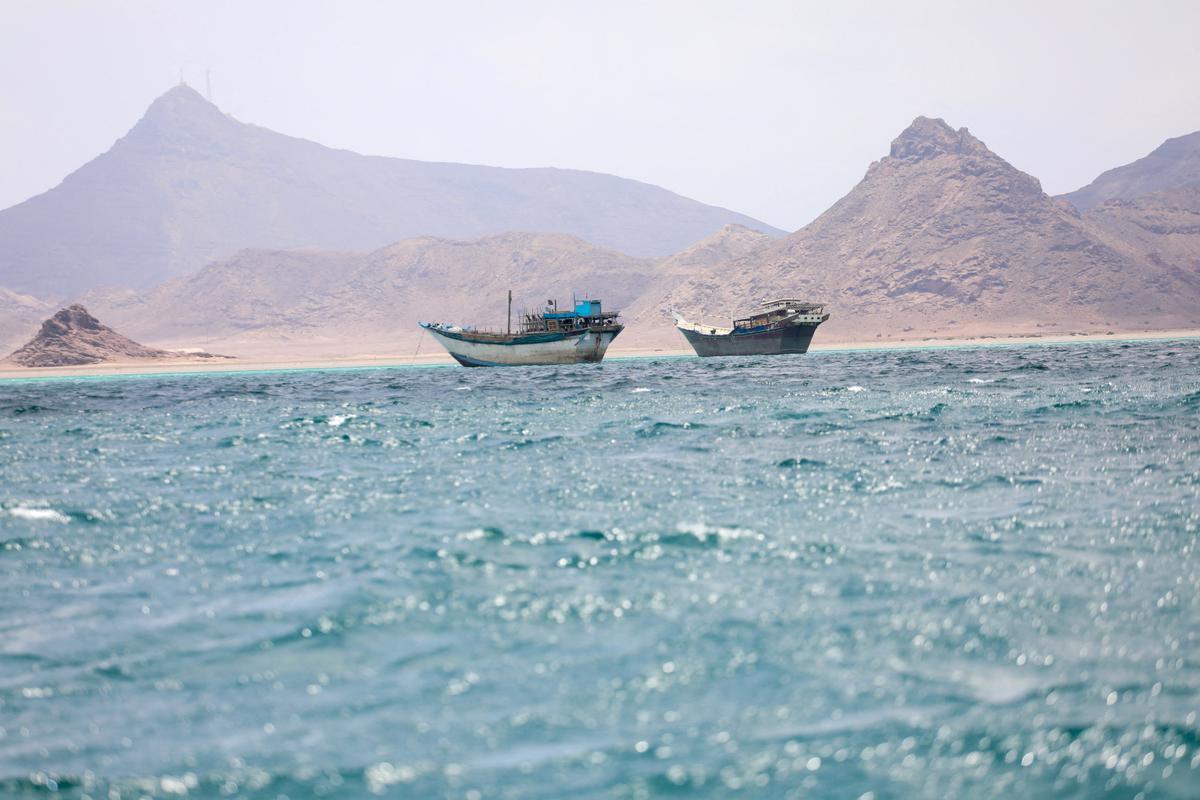
Analysts have said that a sustained recovery in shipping flows could take time, as operators wait for clearer evidence that vessels can transit safely.
“We’re unlikely to see any recovery until there’s clarity on whether this de-escalation is more permanent and whether vessels can navigate the strait without fear of attack.”
Iran has not asked to resume talks with the United States to end the war, and the situation in the Strait of Hormuz remains unchanged, Iranian Foreign Ministry spokesperson Esmail Baghaei told reporters at a July 27 press briefing, suggesting that the path to a diplomatic resolution remains rocky.
Despite pausing strikes on Iran, Trump on Sunday posted a series of memes on Truth Social signaling that the threat of escalation remains, including an image of an Iran-flagged tanker being taken over by U.S. forces and another of a key Iranian island in Hormuz being bombed.
Houthi-Saudi Tensions
The Houthis declared a blockade of Saudi trade through Bab el-Mandeb on July 20 and later claimed responsibility for attacks on the Saudi-flagged tankers Encelia and Layla several days later.
The Houthis said the attacks were part of a campaign to pressure Saudi Arabia, which has led a coalition that has fought the Iran-aligned group in Yemen since 2015.
On July 26, the Houthis said they shot down a Turkish-made Bayraktar Akinci armed reconnaissance drone belonging to Saudi Arabia over Yemen. The group released footage that it said showed the aircraft being downed, describing the drone’s actions as hostile.
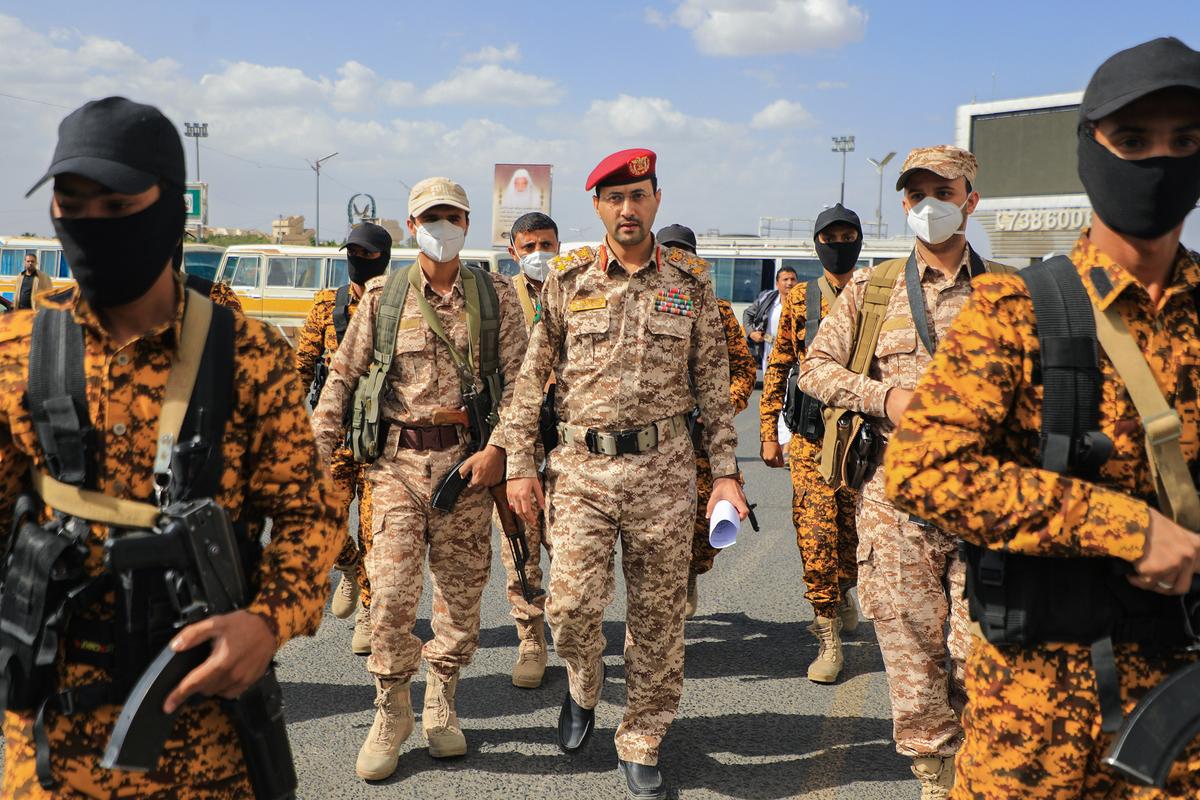
“The armed forces affirm that they will confront any attempt to breach the country’s sovereignty and that they possess the capabilities and potential to do so,” Houthi spokesman Brig. Gen. Yahya Saree said in a July 26 statement.
The drone incident, which could not be independently verified, came amid renewed Saudi-Houthi clashes after months of relatively limited fighting.
The escalation has also affected insurance availability. Several leading marine-war insurers in the Lloyd’s of London market told brokers they would no longer provide cargo war-risk cover to Saudi-linked vessels in the Red Sea, according to brokers who recently spoke to The Financial Times.
Marcus Baker, global head of marine and cargo at Marsh, told the FT that Saudi Arabia could be moving into a higher-risk category alongside vessels with links to the United States, the UK, and Israel, which already face increased premiums for Red Sea transits.