Australians are gambling more often and facing greater harm than ever before, according to a major report released by the Australian Institute of Family Studies.
The proportion of Australians at risk of gambling harm also rose from 11 percent to 15 percent in the same period.
“Gambling participation and harm have both risen significantly since 2019,” stated the report released on Sept. 24.
“This underscores the need to treat gambling as a major public health issue requiring a coordinated response.”
The report found Aboriginal and Torres Strait Islander adults were disproportionately affected, with 27.1 percent identified as being at risk of gambling harm, nearly double the 14.6 percent recorded among non-Indigenous Australians.
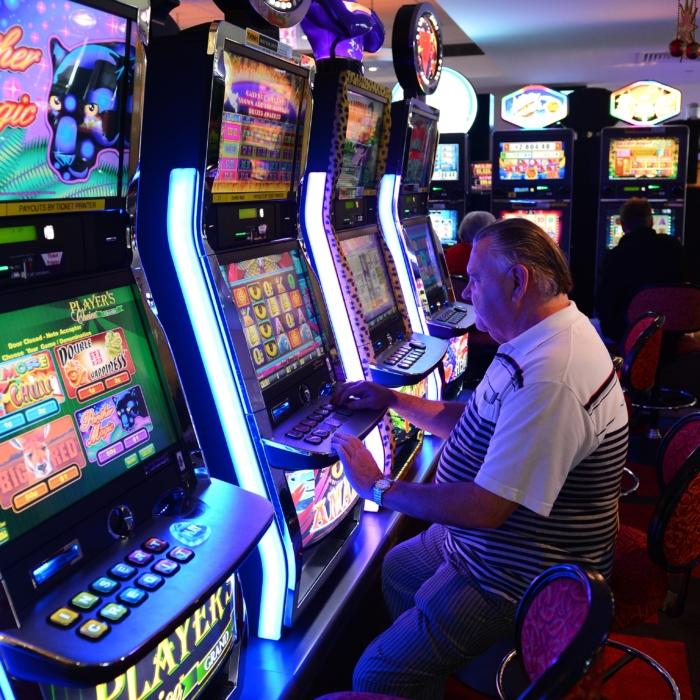
The data also revealed differences across states. Queensland recorded the highest gambling participation, with 70.2 percent of adults reporting activity in the past 12 months.
Gender Divide in Gambling Risks
Men and women showed different patterns of gambling behaviour and harm. Among regular gamblers, 35.9 percent of men reported gambling at least monthly, compared with 28.3 percent of women.Lotteries were the most popular activity for both groups, with 70.8 percent of men and 77.5 percent of women participating.
But beyond that, preferences split sharply. Men were more likely to bet on races (22.8 percent) and sports (21.6 percent), while women leaned towards scratch tickets (15.1 percent) and bingo (6.7 percent).
The risks were also unequal. Men were consistently overrepresented in at-risk categories.
High-risk gambling was nearly twice as common among men (3.5 percent) as women (1.8 percent).
Younger Adults Face Greater Harm
Across the adult population, low-risk gambling ranged between 5 and 11 percent depending on age.High-risk gambling peaked at 3.8 percent among those aged 45–54 but fell to 1.5 percent among the 55–64 group.
For regular gamblers, the contrast was sharper. Young adults were disproportionately represented in high-risk categories, with 17.8 percent of 18–24 year olds considered high risk, compared with 10.4 percent of 35–44 year olds.
Mental Health, Violence and Financial Stress
The study linked higher-risk gambling with worsening health, relationship and financial outcomes.Suicidal ideation was reported by 3.8 percent of non-risk gamblers but surged to 15.5 percent among those classified as high risk.
Political Pressure Mounts
The findings have reignited pressure on the Albanese government to act.In 2022, the late Labor MP Peta Murphy gave a detailed report on gambling and warned that “Australians are the biggest losers in the world when it comes to gambling.”
Independent MP Zoe Daniel blamed the government for bowing to vested interests, saying Australians had gambled away another $60 billion in two years since the report came out.
AMA ACT President Dr. Kerrie Aust joined the chorus in August, telling a parliamentary roundtable that children should be able to play sport “without a constant stream of gambling advertising.”
The roundtable, hosted by Senator David Pocock, included advocates, health experts and cricketer Usman Khawaja, all calling for bans on gambling ads and stronger protections.
Government Defends Its Record
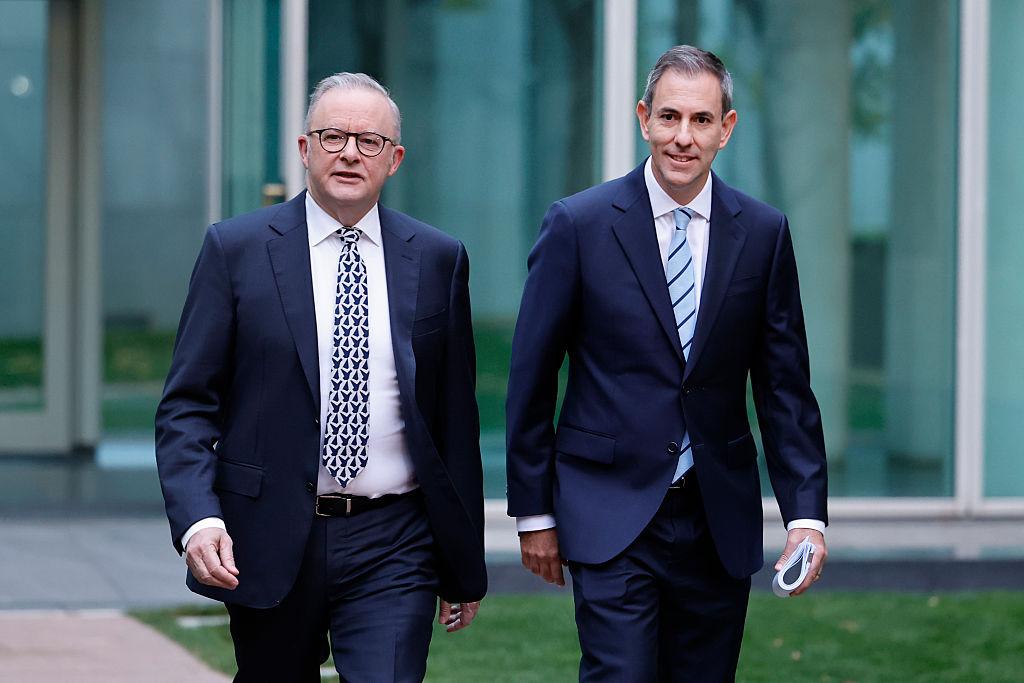
Prime Minister Anthony Albanese rejected claims of inaction, insisting his government had done more than any in Australia’s history to curb gambling harm.He cited the launch of the national self-exclusion register in July, with more than 46,000 registrations, 39 percent of which were lifetime bans.
He pointed to new rules banning the use of credit cards for online wagering, mandatory ID checks, monthly win-loss statements, and stricter video game classifications.
Levy Proposal to Replace Gambling Ad Revenue
One of the key barriers to reform has been media reliance on gambling advertising, but an analysis suggests that obstacle may be overstated.The Australia Institute estimates gambling companies generated $17.2 billion in revenue in 2022–23 while spending $239 million on advertising across free-to-air television, metropolitan radio, and online platforms.
The think tank argues a levy of just 1.4 percent on gambling revenue could replace all the advertising dollars lost if a ban were introduced.
Lifting the levy to 2 percent would not only cover that gap but also restore some of the funding cut from the ABC in recent years.
“A 2 percent levy on the gambling industry, which represents a tiny fraction of the money lost on wagering, could compensate the media for any lost revenue resulting from a gambling ads ban,” said Stephen Long, senior fellow at the Institute.
“For the media and the Australian public, this represents a rare win-win scenario.”