A B.C. commercial property company is asking the province’s Supreme Court to reopen the Cowichan case after the court’s decision raised questions about personal property rights versus indigenous title rights.
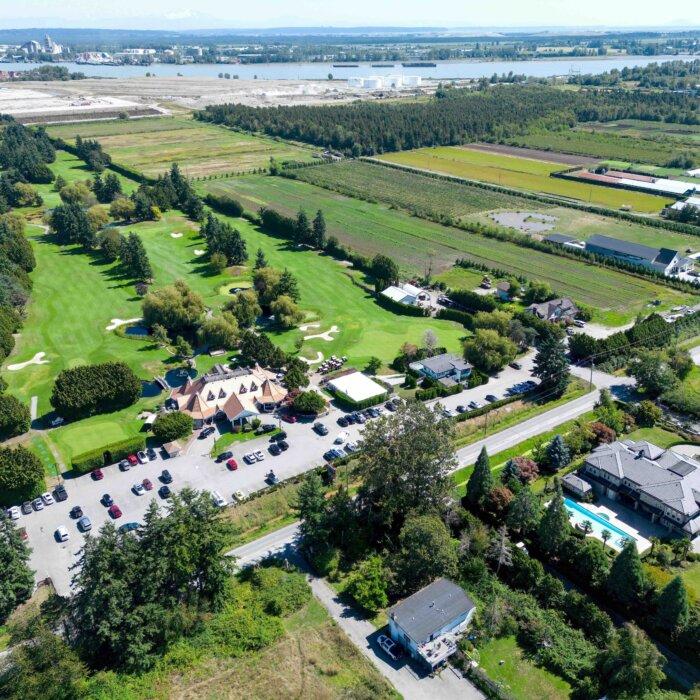
The decision, released in August, said that the Cowichan Nation has rightful aboriginal title to around 750 acres of land in the City of Richmond. B.C. Justice Barbara Young said the decision was due to the First Nation’s historical use of the land.
Junger said the court declared that “when it comes to the Richmond and federal lands,” their “titles are defective and invalid,” noting that while the court didn’t make the same declaration regarding private landowners, there is still cause for concern. He said the decision states that indigenous title and private land ownership can coexist “but may not be exercised in their fullest form.”
He added that the exercise of either right would require “modification or limitation.”
“So, the court has found that the private party’s land title interests cannot be exercised in their fullest form anymore. That is a real issue. That’s not theoretical.”
Junger said the decision impacted the company’s business. “When you’re developing buildings and entering into leases for decades, people need certainty as to the nature of your title and what you can give them. And that has been called into question to some extent now, and we need that fixed,” he said.
Montrose Properties President and CEO Ken Low said the company was surprised by the impact of the case.
“As one of many private landowners surprised by the impact of a case that we were not even party to, we have no choice but to take this step,” he said in a statement.
“Because the final order has not yet been entered, we believe the court has both the ability and the responsibility to let us be heard before any final orders are made that affect us.”
The company said its goal was to ensure no findings or declarations that impact it are made until the court has fully heard the case.
“We have come to realize this needs to be done before an appeal,” said Low. “We do not have the luxury of waiting years to get this all sorted out.”
The company said its legal counsel has written to the other parties about its pending application.
Cattlemen’s Association
The B.C. Cattlemen’s Association has also raised questions with Premier David Eby over how the court ruling will impact its members.The letter said that the Cowichan decision “shocked” its members.
He said the decision has caused a “great deal of concern and uncertainty about the future of this province and the cattle industry.”
“We have heard you state publicly that private property rights would be defended as they are foundational to the people of BC,” Stump wrote. “We are troubled by the apparent contradiction between these statements and your actions in the Haida Agreement, which recognized the coexistence of Aboriginal title and private lands.”
The organization called on the provincial government to “cease all negotiations related to Aboriginal Title that impact other interests in the land” until appeals of the Cowichan decision are concluded. It also asked the B.C. government to “make every possible effort” to expedite the appeal. In addition, it asked Eby’s government to provide a “clear and detailed explanation as to how the Province will proceed with reconciliation that is meaningful to both First Nations and all British Columbians.”
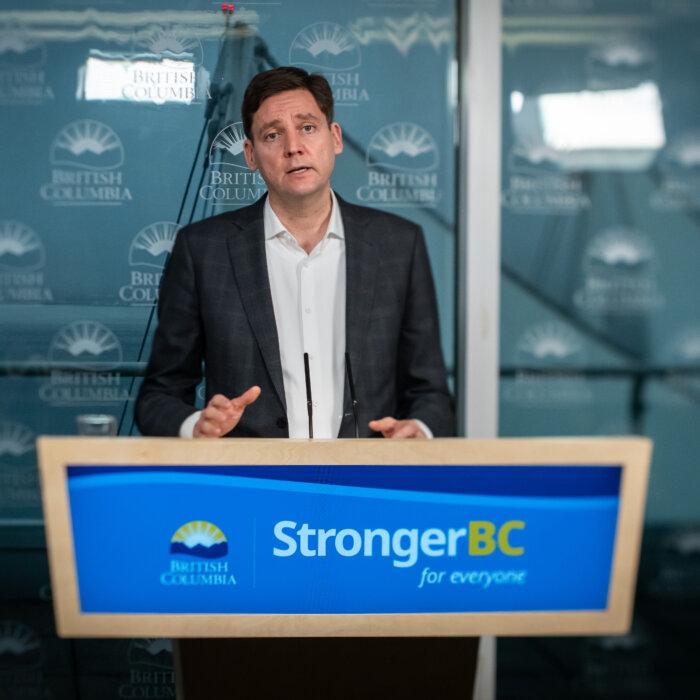
Eby said his government was taking the case “incredibly seriously.”
“We advanced arguments that we believed would be successful, and we believe still will be successful on appeal.”
The province and the federal government have both said they’ll be appealing the court decision.