Queensland Tourism Minister Andrew Powell has responded to a fresh UNESCO warning about the Great Barrier Reef by expressing confidence the state is doing everything it can to avoid an “in danger” listing.
“We’ve got the processes, the practices, the programmes, the investment that is required to ensure that we’re doing all we can at the state level to keep the reef off that UNESCO List,” Powell told ABC radio.
The comments come just days after UNESCO’s World Heritage Centre warned that the reef remains at serious risk following repeated mass bleaching events.
Federal Government Must Step Up
Powell, who also served as environment minister in 2014, said he was frustrated the challenges had not changed in a decade.“So I’m a little bit frustrated that the previous Labour governments have not really progressed some of these things,” he said.
However, he noted that both federal environment and tourism ministers must now work together with the state.

“At the end of the day, we want to work in partnership with the federal government as well. They have a responsibility as the managers of the Marine Park Authority, and I’m confident that we'll continue to do what we need,” he said.
UNESCO’s latest warning notes the ongoing failure to meet water quality targets, increased climate extremes, and long-term threats to the reef’s resilience.
These concerns echo a similar draft decision issued in June 2024, which urged Australia to adopt stronger emissions targets.
Reef Researchers Question Warnings
Not everyone agrees with UNESCO’s assessment. Reef scientist Peter Ridd called the warnings “scaremongering,” saying the data doesn’t support the alarm.“Given that the Great Barrier Reef has more coral in the last two years than at any stage since records began in 1985, it is hard to see that the reef is under great threat and needs saving,” he told The Epoch Times.
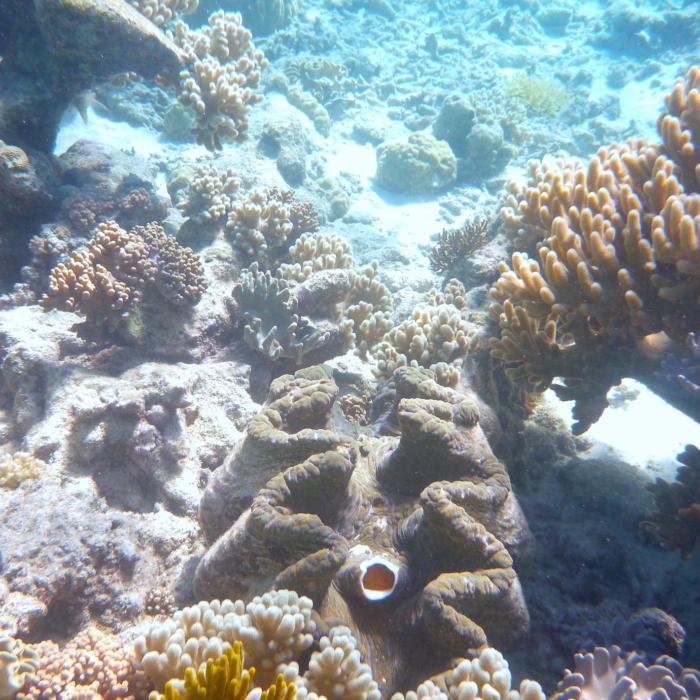
The Great Barrier Reef, listed as a World Heritage site in 1981, is the world’s largest coral reef system and a symbol of Australian environmental identity. It spans 348,000 square kilometres and supports rich biodiversity and tourism.
The 46th session of the World Heritage Committee in July 2024 decided not to list the reef as “in danger” but asked for urgent updates on commitments made in 2023. The next session is due later this month.