Queensland has launched a bold 20-year tourism strategy ahead of the 2032 Olympics, aiming to double the sector’s value and deliver 45 new ecotourism experiences by 2045.
Tourism currently contributes more than $115 million a day to Queensland’s economy and supports over 270,000 jobs—many in small businesses.
Under the Destination 2045 plan, the government hopes to grow tourism employment by 25 percent and double total visitor spending to $84 billion in 20 years.
The “45X45” initiative will start with five projects, including the Thorsborne Trail on Hinchinbrook Island, the Whitsunday Skyway in Airlie Beach, and upgrades to Springbrook National Park.
A dedicated fund will support the attraction and growth of major sporting, cultural, and arts festivals.
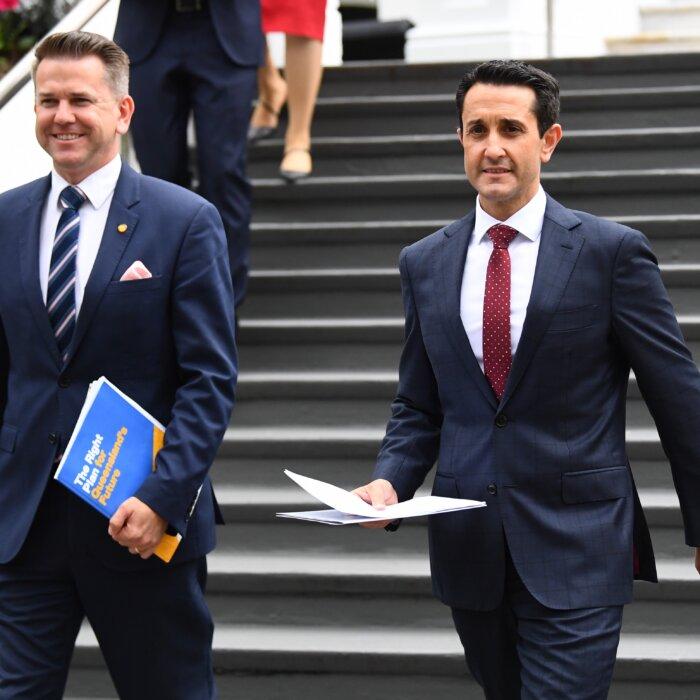

A new “Connecting Queensland” aviation fund will also be set up to establish new international and domestic flight routes—focusing on under-served regional areas and priority markets such as India.
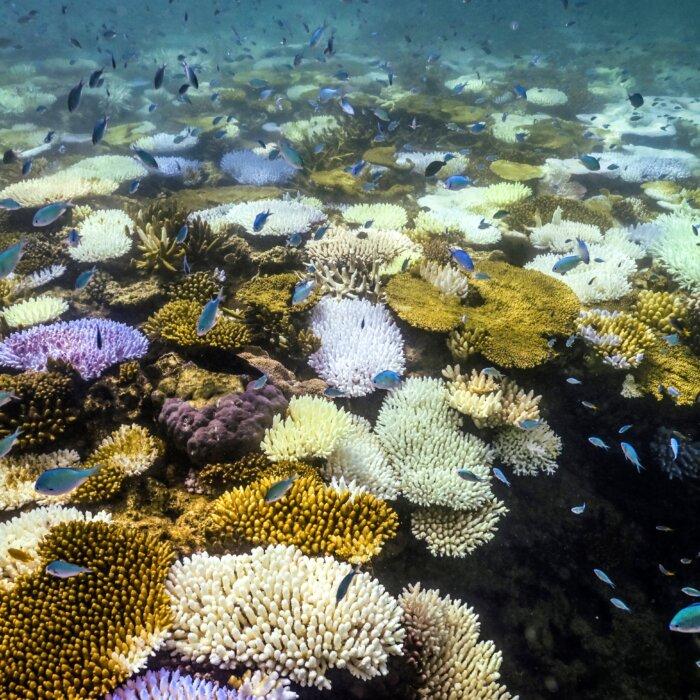
Further initiatives include rejuvenating nature-based and island tourism, especially the Great Barrier Reef experience. The government also plans to relaunch a global marketing campaign to reclaim Queensland’s brand as “the home of the holiday.”
In addition, the strategy pledges to cut red tape to help small tourism operators modernise, scale up, and compete more effectively in a changing marketplace.
Data from Tourism Research Australia, released in March 2025, shows that Queensland welcomed 26.2 million domestic visitors in the year to December 2024.
Visitor spending reached a record $35.3 billion, with the state outpacing the national average by recording a 4.8 percent increase in domestic visitation compared to Australia’s overall 2.1 percent rise.

Tourism at Risk Without More Beds
Despite the strategy’s ambition, a critical concern remains unaddressed—accommodation.Queensland’s tourism infrastructure is struggling to keep up with rising demand, and the government has yet to outline how it can encourage hotel or apartment operators to build more.
The Queensland Tourism Industry Council (QTIC) warned that South East Queensland currently offers just 46,000 hotel rooms—less than half the capacity of Olympic host cities like Paris or Los Angeles.
Even with expansions under way, the state is projected to reach only 51,000 rooms by 2030, which falls well short of the expected requirement for the 2032 Games.
International Visitation Yet to Fully Recover
Wheeler noted that forward bookings remained weak, and international tourism has yet to return to pre-pandemic levels.“While the drive to travel remains strong, Australians are choosing to save money by holidaying intrastate or opting for cheaper, short-haul international trips,” she said.
“Domestic holiday visitation is down, international visitor numbers have not returned to pre-pandemic levels, and forward occupancy data is deeply concerning.”
Economic pressures such as inflation, reduced disposable incomes, and surging operational costs are also taking a toll. Cairns-based restaurateur Craig Squire said businesses across the tourism sector are struggling to remain profitable.
“The costs of doing business have never been higher, with growing operational expenses squeezing profitability—forcing many operators to rethink their business strategies and whether they can keep their doors open,” Squire said.