The Queensland LNP government has moved quickly to take its first official step towards repealing the state’s renewable targets, while axing a swathe of energy advisory bodies.
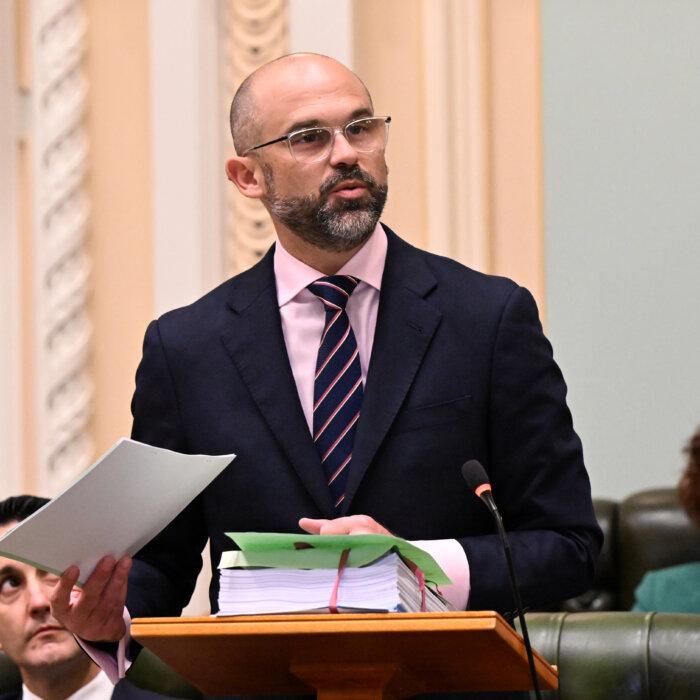
On Oct. 16, Energy Minister David Janetzki tabled the Energy Roadmap Amendment Bill 2025, which amends the previous Labor government’s Energy (Renewable Transformation and Jobs) Bill 2023.
The amendment locks in several initiatives outlined in the 2025 Queensland Energy Roadmap released late last week.
“Repealing the targets means Queensland’s energy system will reflect a more pragmatic approach to our changing energy mix,” the treasurer said.

It will also remove reporting requirements and changes key terminology—switching the term “infrastructure blueprint” to “system outlook” under Clause 14—which shifts Queensland’s energy planning away from specific targets towards a broad assessment of how the overall system is performing.
A further amendment makes an explicit order that the state retain 100 percent public ownership of all existing power stations and related government assets.
In a bid to build investor confidence, the bill also updates Queensland’s energy infrastructure rules to make planning and approvals faster.
Another amendment will replace the existing “renewable energy zone framework” with a new “investment framework for regional hubs”—a move intended to provide investors with more certainty while broadening the scope of the framework to include complimentary infrastructure that may not be entirely focused on wind and solar.
“It is a balanced and pragmatic plan that improves the energy infrastructure we have today while we build what is needed for the future,” Janetzki said.
A new clause will also facilitate the development of the CopperString transmission project to connect the state’s North West Minerals Province to the national electricity grid.

Governance bodies established under the former Labor government will also be axed, including the Energy Industry Council, the Queensland Energy System Advisory Board, and the Queensland Renewable Energy Jobs Advocate.
Janetzki said the bodies rarely met and did not need to be enshrined in law.
Labor Says the Bill Drags Queensland ‘Backwards’
Shadow industrial relations spokeswoman Grace Grace responded on social media to the Bill.“Under Labor, Queensland had locked in renewable energy targets of 70 percent by 2032 and 80 percent by 2035,” she wrote on Facebook.
“Today the LNP [Liberal National Party] have introduced legislation to scrap those targets.
“Not only is this dangerous for our environment, especially the Great Barrier Reef, but also for our heavy industries who will rely on clean energy to transition.”
Grace said the targets would have “set Queensland up for the future” and created jobs.
Only ‘Half a Job’ Done, Says KAP
Traeger MP and Katter’s Australian Party leader Robbie Katter said the government shouldn’t try to ride two horses at once.“The government has seen how toxic a blind, ideological pursuit of emissions reduction is, and has tried to con Queenslanders by scrapping renewables targets—without walking away from emissions targets,” he said in a statement.
“Scrapping renewable targets and helping CopperString are good things, and we congratulate them for that, but the government can’t get away with only doing half the job.”
In 2024, the then LNP opposition voted in favour of passing Labor’s Clean Economy Jobs Bill, with the KAP opposing emissions targets altogether.
“The now-premier, the treasurer, they all gladly voted to implement emissions burdens last year, and they hope that scrapping renewables targets will convince the public that they don’t believe in reducing emissions—it’s clear that they do,” Katter said.
Katter submitted a Question on Notice to Janetzki on whether the state would continue to pursue net zero.
“I look forward to the answer to my Question on Notice, and I suspect the answer will be very short—‘yes,’” Katter said.