Queensland has become the first state in Australia to formally outlaw anonymous pill testing for drugs, passing new laws in parliament late on Sept. 18.
The move shuts down existing services and blocks any future attempts at drug checking, despite warnings from doctors and health experts that the ban could cost lives.
The decision comes two years after Queensland in 2023 became the first state to allow the tests.
Health Minister Tim Nicholls defended the crackdown, saying it reflects the Crisafulli government’s hardline approach.
“The Crisafulli government has a zero-tolerance approach to illicit drugs,” he told parliament.
What Is Pill Testing?
Pill testing—also known as drug checking—is a strategy popularised in Europe during the 1990s.
As of today, it operates in at least 28 countries, including New Zealand, Canada and parts of South America.
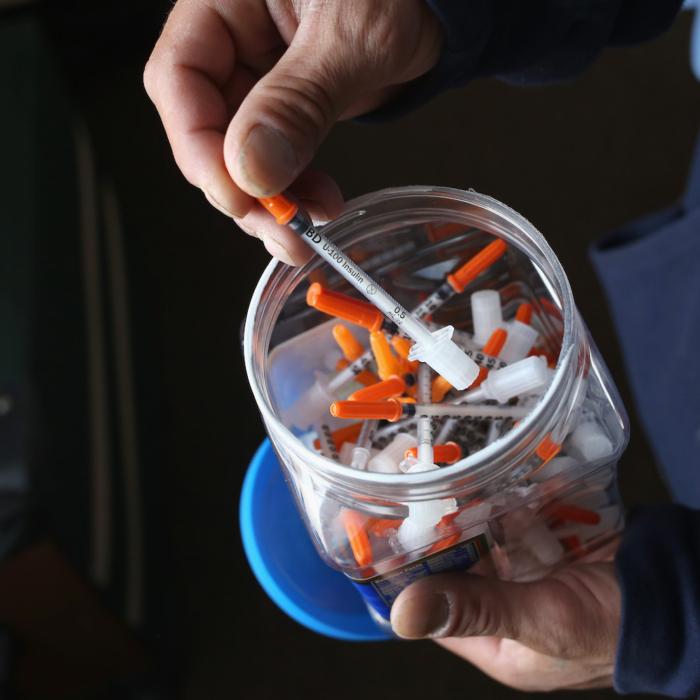
The process allows people to anonymously submit pills, powders or liquids to be tested for strength, purity and contaminants.
Results are explained on the spot, often alongside a conversation with a health professional or peer worker about its risks.
Those advocating for it claim pill testing prevents people from unknowingly consuming contaminated or high-strength drugs, while connecting drug users to support services.
Proponents also argue that it lets authorities collect real-time data on drug trends.
The 2022–23 National Drug Strategy Household Survey found 64 percent of Australians back pill testing, up from 57 percent in 2019.
What the New Law Does
The new amendments to the Medicines and Poisons Act closes the door on pill testing entirely. Queensland Health will no longer be able to issue or renew licences for pill testing, while existing permits have been scrapped.No compensation or refunds will be available to operators who lose their licences.
The legislation also clarifies that approvals for the use of controlled substances must be restricted to “appropriate purposes” only.
Minister Nicholls also rejected claims that the change interferes with the property rights of licence holders. He contended that under the state’s Human Rights Act, corporations do not enjoy those protections.
Experts Warn Lives Are at Risk
The Australian Medical Association of Queensland said it was “disappointed” by the decision.President Nick Yim warned the move could overwhelm hospitals.
Opposition Calls the Ban ‘Ideological’
Labor, which launched the first trial in 2024, accused the Liberal National Party (LNP) government of reversing progress for political gain.In a social media video, Opposition Leader Steven Miles said: “Labor set up Queensland’s first pill testing site just last year. That meant Queenslanders could get their pills tested and make safer informed choices.”
He added that the move was pushed by health professionals.
“The LNP have caved in to dangerous ideology threatening health professionals and donors if they keep this work going. For the LNP, it isn’t about evidence or safety, it’s about putting politics and their ideology over your health care.”