
Quebec health officials have confirmed the province’s first case of a tick-borne bacterial disease that can cause serious illness and death.
The case of Rocky Mountain spotted fever was discovered in Estrie, according to an epidemiologist and researcher with the local health authority.
Estrie is in the southeastern part of the province, near the U.S. border. It is about 169 kilometres east of Montreal.
“Fortunately, the patient responded well to doxycycline treatment,” he said in the post.
Rocky Mountain spotted fever is caused by bacterium Rickettsia rickettsii, which is spread through tick bites, according to Health Canada.
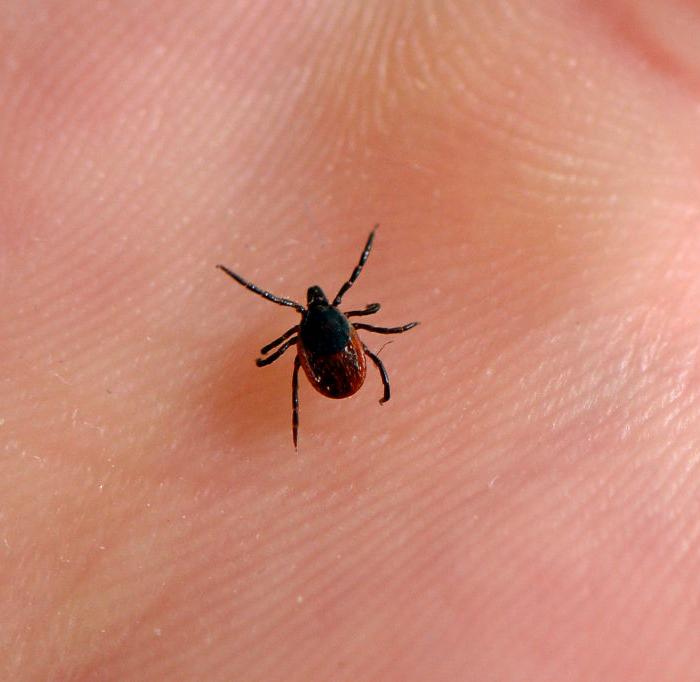
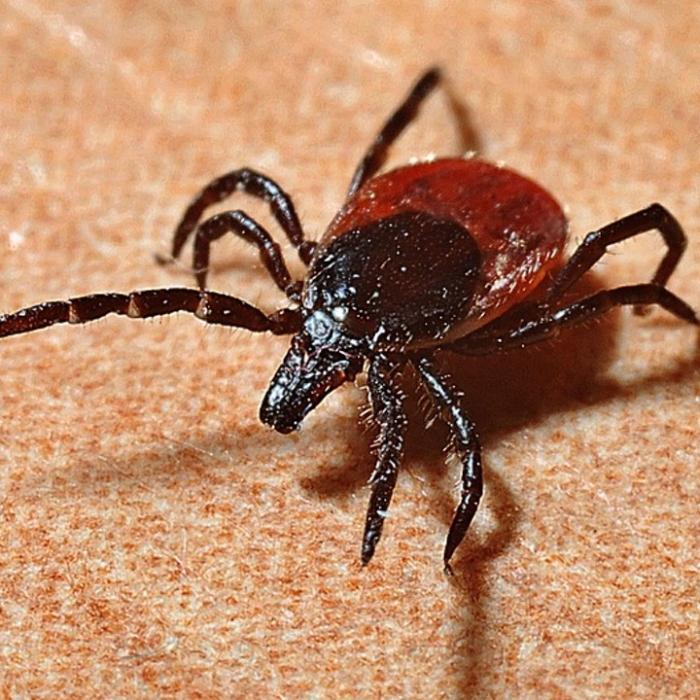
Symptoms start between two and 14 days of a bite and can include fever, headache, nausea, vomiting, muscle and joint pain, and fatigue, according to the BC Centre for Disease Control.
A rash on the hands and feet usually appears two to five days after the other symptoms. It then spreads to the rest of the body.
The illness can become more severe, with patients suffering from breathing problems caused by fluid in and around the lungs, irregular rhythm of the heart, skin inflammation, and neurological problems like inflammation of the brain.
It is treated with antibiotics, and 5 percent of cases that are treated are fatal, Health Canada said. That number increases to 20 percent for untreated cases.
The disease is something that Carignan said they had expected to see at some point in the province.
“We knew that this bacterium (Rickettsia rickettsiae) would arrive in the coming years, but unfortunately, it showed up a bit earlier than expected,” he said.
BC Centre for Disease Control says that the best way to avoid the illness is to prevent tick bites.
It recommends wearing long pants, long-sleeved shirts, light-coloured clothing, and closed-toed shoes when outdoors. Other prevention measures include using bug spray with DEET or icaridin, walking in the middle of trails rather than grass, and to do a check for ticks after spending time outdoors, including the scalp, under the arms, and behind the knees.
Children, pets, and any outdoor gear should also be checked for ticks.
If a tick is found attached, it is recommended to be removed gently using tweezers. Grab the tick as close to the skin as possible, and lift it off the skin without squeezing, BC Centre for Disease Control said. Once removed, clean the bite area with soap and water, and then disinfect the area.