Quebec has lowered its electric vehicle (EV) sales target, stating that EVs must account for 80 percent of new vehicle sales by 2035 instead of the original goal of 100 percent.
Déry said the new 80 percent EV target is “more realistic” than the initial goal, but still the “most ambitious in North America.” For one year, non-rechargeable hybrid vehicles will be included in the targets, she added.
The previous December 2024 regulations adopted by the province had banned the sale of gasoline-powered vehicles, including cars, light trucks, pickup trucks, and most SUVs, by 2035.
The federal government announced its own EV mandate in 2023, requiring car manufacturers and importers to ensure at least 20 percent of their new vehicles sold were EVs, and 100 percent by 2035. But in September, a few weeks before Quebec announced it was easing its gas-powered vehicle ban, Ottawa announced it was pausing the 2026 EV sales targets and launched a 60-day review of the program.

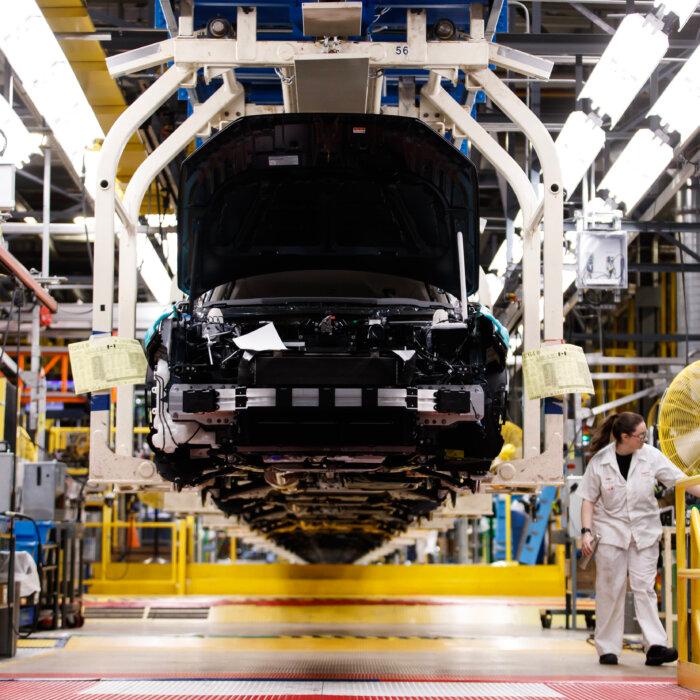
Then in February 2026, Ottawa announced it was abolishing the EV mandate and replacing it with new emissions regulations, while providing new incentives for consumers to buy the vehicles. The revised aim is to reach an EV adoption rate of 90 percent by 2040, which would be achieved via stricter greenhouse gas emission standards for vehicles sold starting in 2027.
The easing of EV mandates by Ottawa and Quebec comes amid slowing EV sales in Canada. Canadian EV policy has also been impacted by the United States’s 25 percent tariff on automobile imports and its efforts to overturn EV sales mandates in California and 17 other states.
Quebec Auditor General Christine Roy found the risks of these investments in 11 companies were “not adequately analyzed or documented.” She noted that four of the companies have filed for creditor protection, two have suspended or abandoned their projects, and three have seen their costs significantly increase.