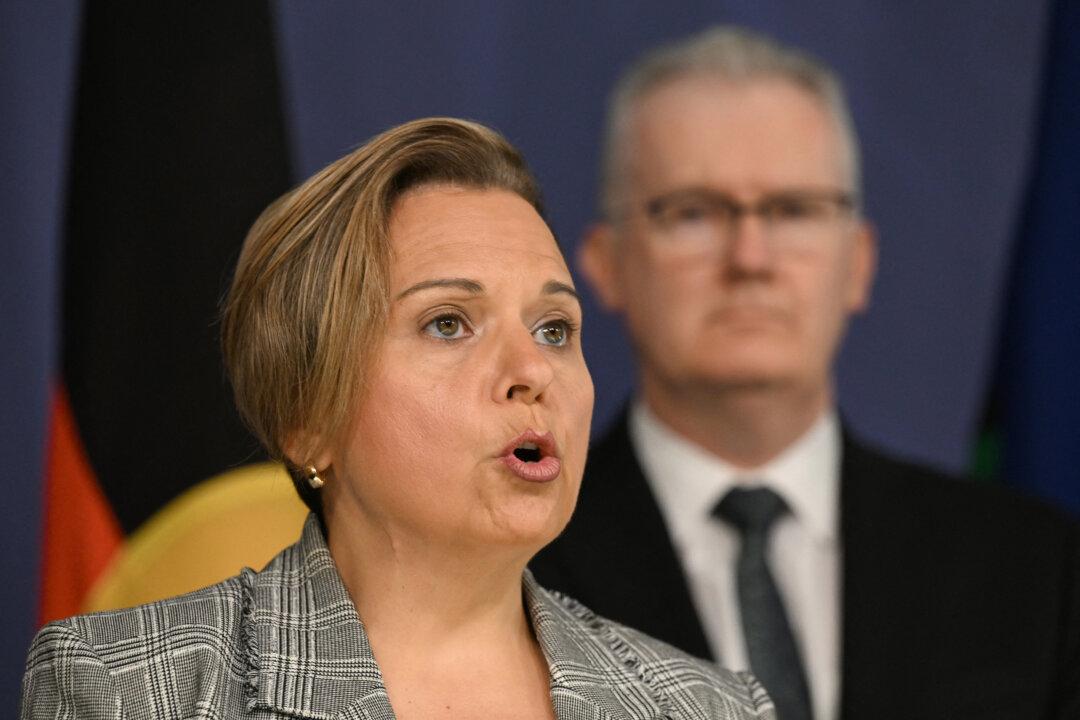
Qantas has confirmed it will shut down its Singapore-based low-cost carrier Jetstar Asia by July 31, citing unsustainable operating costs and ongoing financial losses.
Flights will taper off over the next seven weeks, with 16 intra-Asia routes to be phased out. The closure will not affect Jetstar Airways’ international routes into Asia or Jetstar Japan’s services. All flights in and out of Australia remain unchanged.
Customers with bookings on affected flights will receive full refunds and, where possible, be reaccommodated on other airlines.
Staff impacted by the closure will receive redundancy benefits and employment support. Qantas is also working to find redeployment options within its wider network.
In a statement released on June 11, Qantas Group CEO Vanessa Hudson said the decision was difficult and acknowledged the impact on employees.
“This is a very tough day for them. Despite their best efforts, we have seen some of Jetstar Asia’s supplier costs increase by up to 200 per cent, which has materially changed its cost base,” she said.
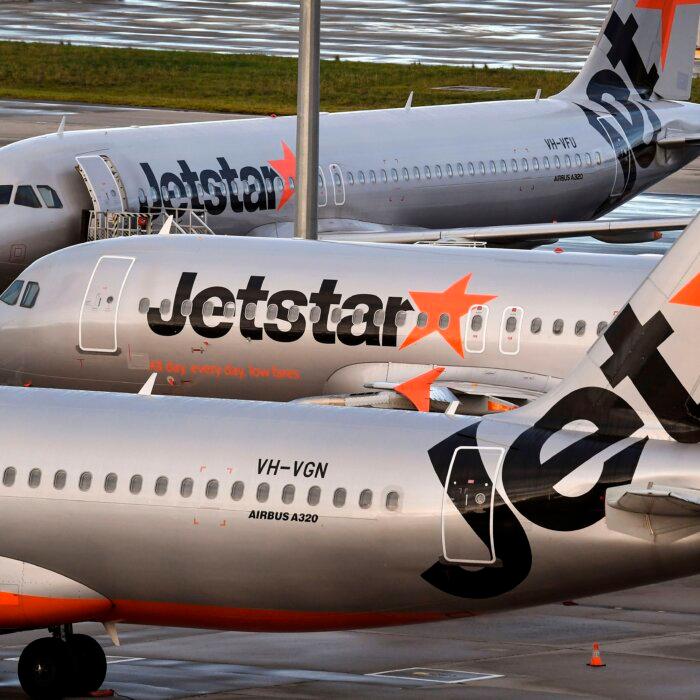
Jetstar Asia, majority owned by Westbrook Investments, is forecast to report a $35 million EBIT loss this financial year.
Aircraft to be Redeployed Locally
The closure will unlock up to $500 million in capital, which the Qantas Group plans to reinvest into its flagship fleet renewal program.As part of this transition, 13 Jetstar Asia Airbus A320 aircraft will be progressively redeployed to operations in Australia and New Zealand.
The group says this redeployment will drive growth, increase availability of low fares, and support over 100 new local jobs. The aircraft will replace older leased jets in Jetstar Airways’ domestic fleet, helping to lower the cost base.
Some of the returning aircraft will also be used in Qantas’ regional operations, especially in Western Australia’s resources sector.
The move aligns with the group’s broader strategy, which includes the arrival of its first Airbus A321XLR later this month and the first ultra-long-range A350-1000 for Project Sunrise in 2026—to offer non-stop commercial flights from Australia’s east coast to London, Paris, or New York City by 2026.
One-Off Cost to Reach $175 Million
The wind-up of Jetstar Asia will come at a financial cost.Qantas expects a one-off impact of approximately $175 million, including redundancy payouts, restructuring charges, asset write-downs, and non-cash expensing of foreign currency translation losses. About one-third of this will be booked in FY25, with the rest spread across FY26.
The direct pre-tax cash impact is forecast to be $160 million, largely occurring in FY26. However, Qantas says this will be largely offset by working capital benefits from fleet redeployment and reduced tax payments in future years.
Despite the short-term financial hit, the group says the move will ultimately strengthen its performance in core markets and deliver long-term value through a leaner, more efficient fleet.