Australia’s largest airline has been ordered to pay a penalty of at least $90 million (US$58.7 million) for illegally outsourcing 1,800 ground handling jobs during the COVID-19 pandemic.
“To deprive someone of work illegally is to deprive someone of an aspect of their human dignity,” Lee said.
The court previously found that Qantas breached workplace laws when it outsourced baggage handlers, cleaners, and other ground staff in 2020.
The Federal Court’s ruling was unsuccessfully appealed to the High Court, leaving the airline exposed to heavy penalties.
The TWU pushed for the maximum $121 million penalty, while Qantas argued for a mid-range fine between $40 million and $80 million.
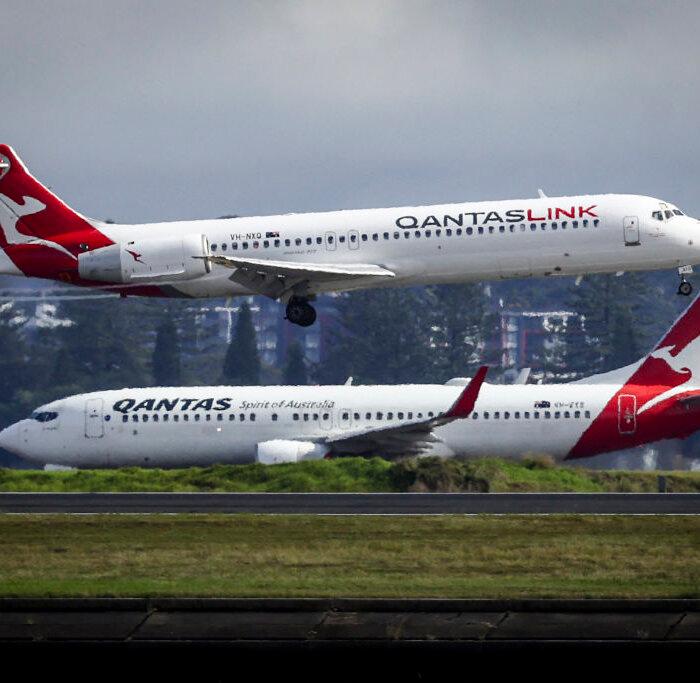
Qantas Must Be Held to Account: Justice Lee
In his detailed judgment, Lee said, “Qantas should be held to the exceptional, indeed unique, standard it represented itself as occupying in Australia.”He cautioned, however, against imposing a penalty purely because of its reputation.
“It would be a mistake to augment a penalty otherwise payable because the contravening conduct did not align with the way in which Qantas was representing it acted or its iconic status,” he said.
The judge explained that any contradiction between the airline’s values of embodying “the spirit of Australia” and its actions would only matter legally if it harmed public interest. He said ensuring deterrence was paramount.
Lee also emphasised the importance of directing part of the penalty to the TWU.
Outsourcing Brought Significant Savings
The outsourcing move saved Qantas approximately $125 million in the year following the decision, although Lee noted that net savings were likely closer to $20 million once other factors were considered.Still, internal forecasts at the time suggested the company expected to save $125 million annually by 2023.
“The anticipated savings were more than the quantum of the maximum penalty in the first year and were thought to be ongoing,” Lee said, adding that penalties cannot be viewed as just a cost of doing business.
The court highlighted that the decision was made and endorsed at the highest levels of Qantas management.
Lee noted that one senior manager deliberately withheld part of his analysis to present an incomplete picture of the outsourcing benefits.
Legal Turmoil Adds to Pandemic Legacy
The outsourcing decision was taken under former CEO Alan Joyce, who led the airline through the height of the pandemic.Judge Criticises Qantas’ Conduct in Hearings
During hearings earlier this year to help determine the penalty, Lee delivered strong criticism of Qantas, accusing the airline of showing “a lack of candour” and failing to conduct its case in good faith.
He suggested that some witnesses had provided affidavits that did not fully disclose the reality of the decision-making process.
“I’m presented with a case which shows a decision-making process which is completely at odds with what in truth happened. That’s the most profoundly disturbing aspect of this,” Lee said in May.
The judge also expressed frustration that Qantas had not made its current chief executive, Vanessa Hudson, available to give evidence.
Instead, testimony was provided by Catherine Walsh, the company’s chief people officer, who was not employed at Qantas at the time the outsourcing decision was made.
Union Welcomes ‘Unprecedented’ Penalty
Michael Kaine, national secretary of TWU, said the $90 million fine handed to Qantas marked a historic moment in Australia’s industrial relations.
He described the outcome as the “most significant industrial outcome in Australia’s history,” and that it vindicated the 60,000 workers who took the risk to fight this battle.
“Justice Lee has absolutely smashed Qantas today for its illegal conduct and rightly so. This penalty of $90 million, an unprecedented amount for an industrial breach, reflects the gravity of this,” he told reporters outside the court.
He added that the judgment sent a clear message to Qantas and every employer in Australia to “treat your workforce illegally and you will be held accountable.”