Russian President Vladimir Putin has signaled a readiness to negotiate peace with Ukraine, but Moscow will prioritize its goals, Kremlin spokesman Dmitry Peskov said on July 20.
Speaking on state television on July 20, Peskov said U.S. President Donald Trump’s sometimes “harsh” rhetoric has become normalized for much of the world but also highlighted that Trump has reiterated in comments on Russia that his goal is striking a peace agreement.
“President Putin has repeatedly spoken of his desire to bring the Ukrainian settlement to a peaceful conclusion as soon as possible. This is a long process; it requires effort, and it is not easy,” Peskov told state television reporter Pavel Zarubin.
“The main thing for us is to achieve our goals. Our goals are clear.”
Trump spoke to Putin on July 3 about the possibility of a cease-fire with Ukraine.
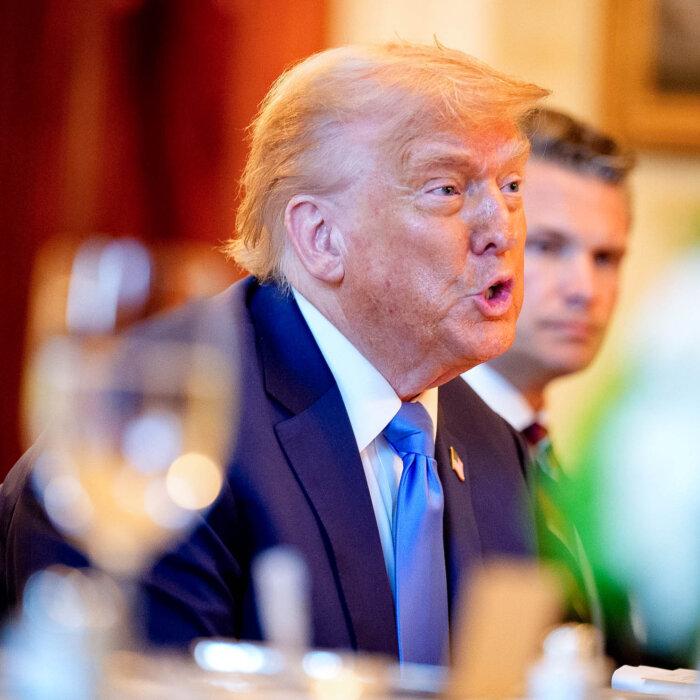
He said that he was “not happy” about the status of a potential cease-fire agreement.
While the Pentagon initially stated that it would pause some shipments of weapons to Ukraine while conducting a “capability review,” Trump eventually reversed course.
Trump also said he would impose 100 percent “secondary tariffs” on Russia if Putin refused to agree to a cease-fire with Ukraine in the following 50 days. The levies effectively add another layer of tariffs to any nations that buy Russian oil and energy exports, including China and India.
On July 18, the European Union agreed to another round of sanctions on Russia, which include punitive measures aimed at Moscow’s energy sector.
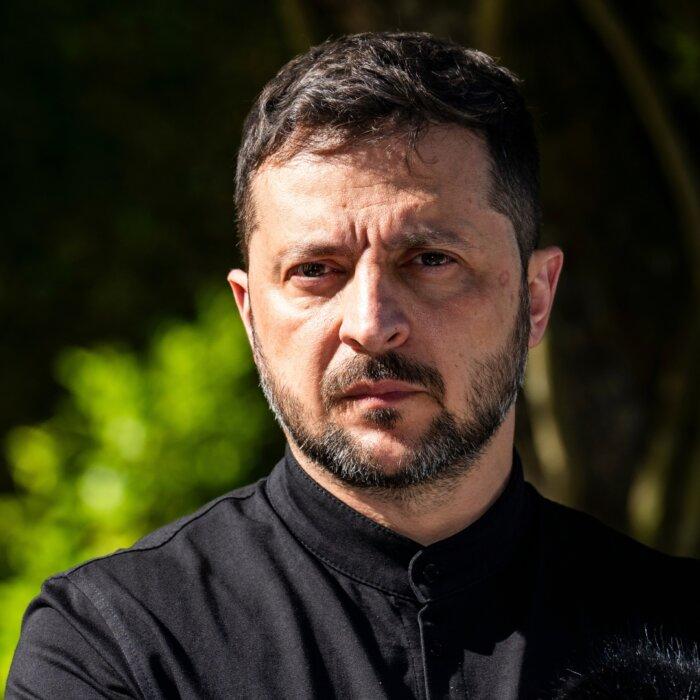
Ukrainian Defense Minister Rustem Umerov, who led the initial rounds of negotiations, has extended an offer to Russia for another meeting, according to Zelenskyy, who signaled that he would like to meet directly with Putin.
“A meeting at the leadership level is necessary to truly secure peace—a truly lasting one. Ukraine is ready for such a meeting,” he said.
“The pace of the negotiations must be stepped up. We must do everything to achieve a ceasefire. And the Russian side must stop avoiding decisions.”
During the previous round of talks in June, Moscow insisted on a list of hardline demands to end the war, including Ukraine surrendering four southeastern provinces where Russian forces have maintained partial control.
These land concessions, not including Russia’s 2014 annexation of Crimea, would equal roughly 15 percent of what Ukraine describes as its sovereign territory.