Russian President Vladimir Putin recently approved a 25-year naval strategy aimed at restoring Russia’s position as a leading maritime power, top Kremlin adviser Nikolai Patrushev has said.
According to Patrushev, the wide-ranging strategy document lays out the “key requirements for the future combat composition of the [Russian] fleet and its primary tasks in peacetime and wartime.”
Patrushev added that, in July of last year, the Kremlin decided to prepare the new strategy, a draft of which was later drawn up by the Russian Ministry of Defence with input from relevant “federal departments and organizations.”
Putin approved the final strategy document on May 30, Patrushev said in the interview, which was published on June 9.
The decision, he added, demonstrates that the development of a “powerful and modern [naval] fleet” remains one of Moscow’s top priorities.

“I can say that this kind of strategic planning document has been adopted for the first time in modern history,” Patrushev said. “Russia’s position as one of the world’s great maritime powers is gradually being restored.”
The document, he added, provides an assessment of the global “military-political situation,” identifies potential flashpoints for future conflicts, and compares the relative strength of the world’s leading maritime powers.
It also reviews the “current state and capabilities of the [Russian] Navy, taking into account the experience of the special military operation,” Patrushev said.
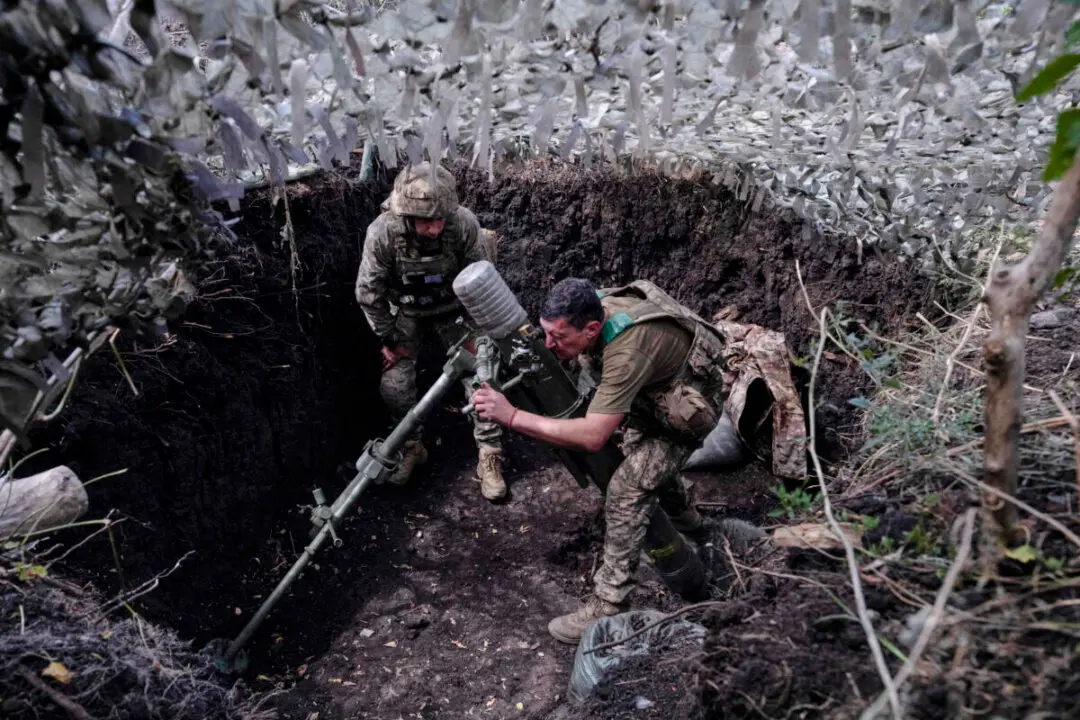
In 2022, Russia invaded and effectively annexed large swathes of eastern and southeastern Ukraine in what Moscow refers to as a “special military operation.”
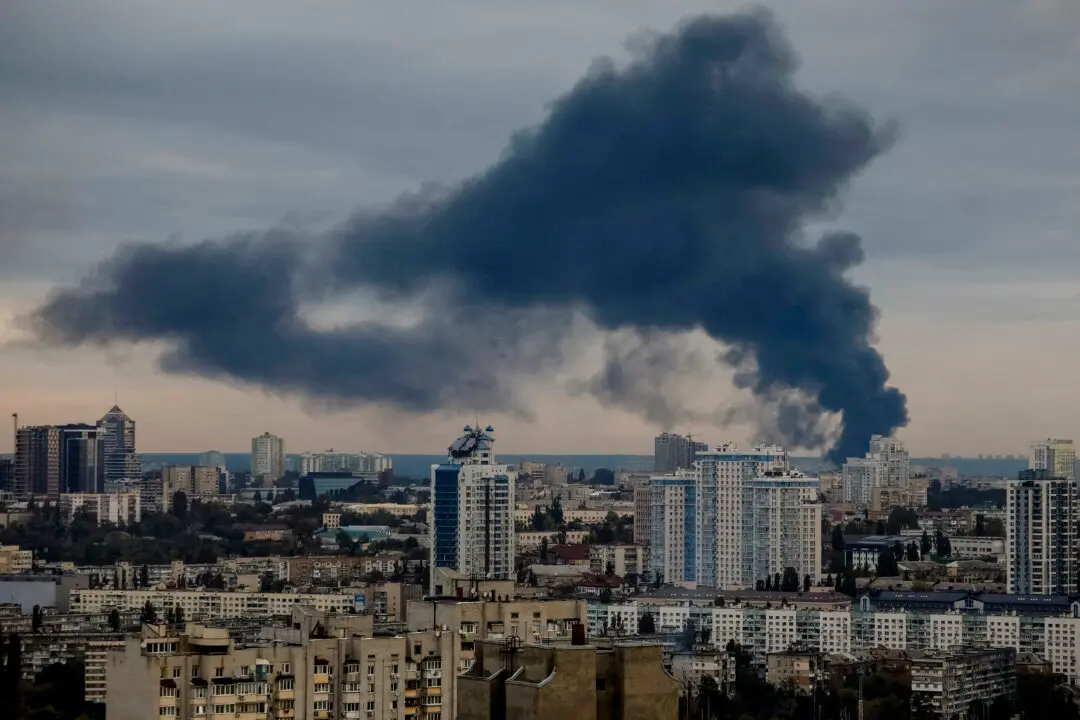
Since then, the Russian navy has sustained several high-profile losses in its ongoing conflict with Ukraine, especially in the Black Sea.
Russia’s formidable Black Sea Fleet is currently based in the Crimean Peninsula, which Moscow seized from Ukraine in 2014 after holding a referendum.
Force to Be Reckoned With
Despite recent naval losses, Russia is widely believed to still maintain the world’s third most powerful maritime force after those of the United States and China.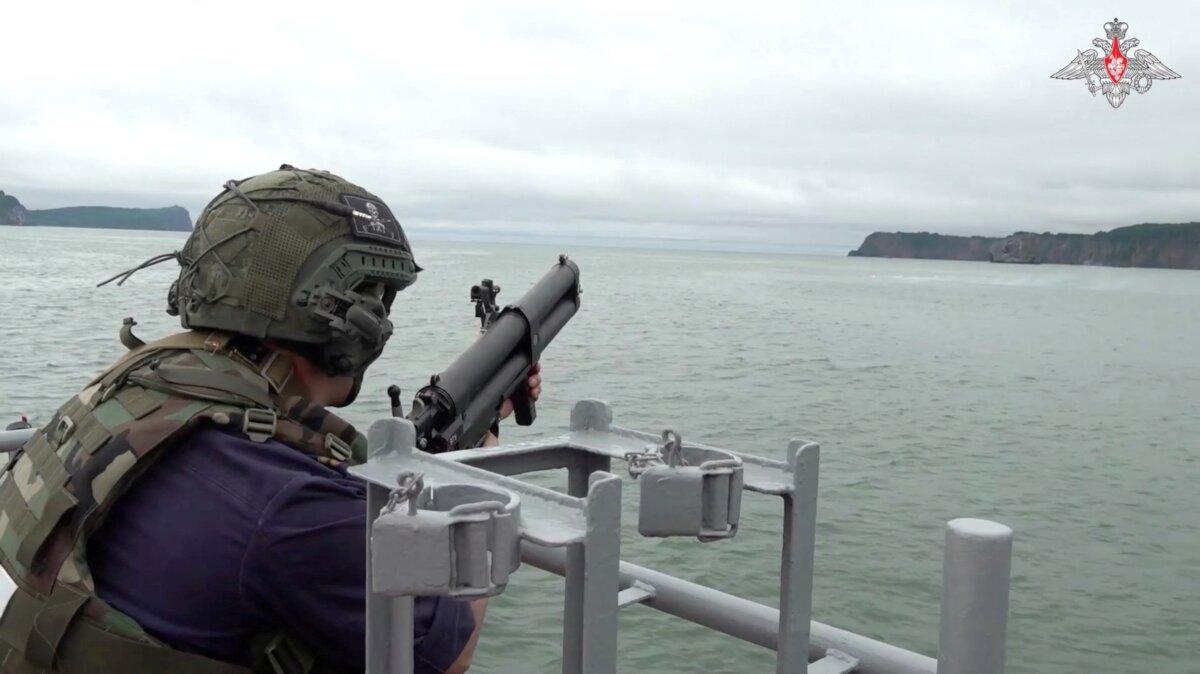
Since its conflict with Ukraine began more than three years ago, Moscow has increased defense and security spending to levels not seen since the Cold War.
According to Patrushev, Russia’s new naval strategy calls for the development of technological innovations that would allow it to outpace fleets of rival nations.
With this in mind, he added, the strategy calls for the development of “innovative technologies, including boosting the number of domestic maritime robotic systems.”
Patrushev previously served as the head of both Russia’s FSB security service and its powerful National Security Council. Along with being a top adviser to Putin, he also currently serves as chairman of Russia’s newly established Maritime Collegium.