Canada’s privacy commissioner is expanding his current investigation into X Corp., the company that operates social media platform X, following reports that the platform’s artificial intelligence tool, Grok, is being used to generate sexually explicit images of individuals without their consent.
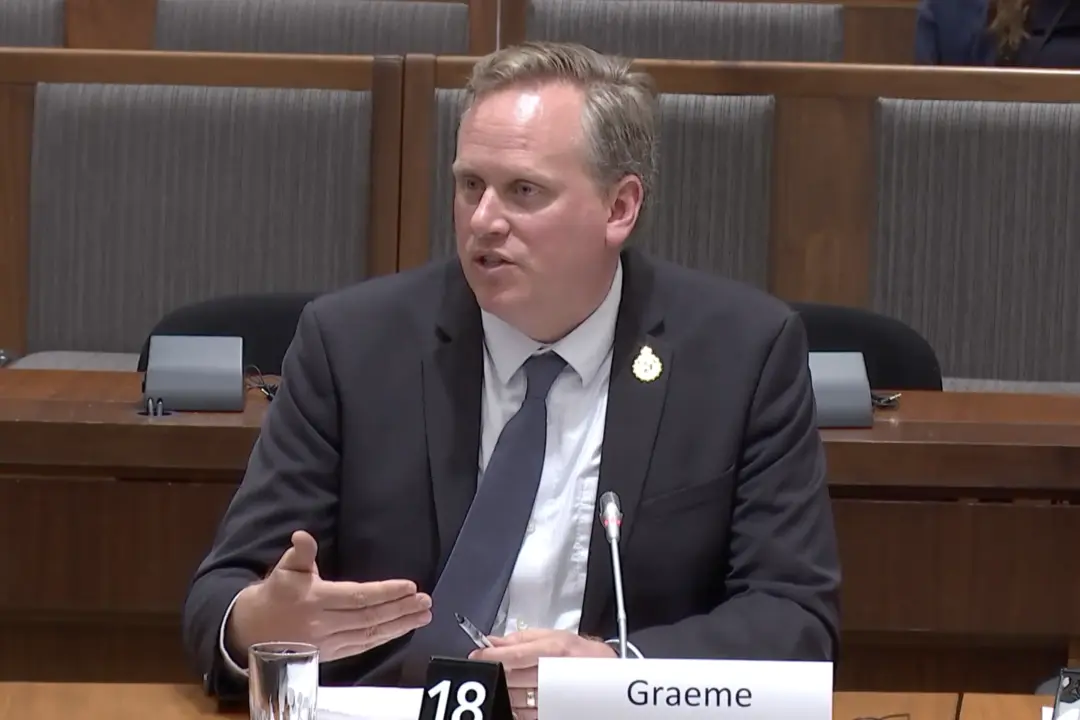
“The use of personal information without consent to create deepfakes, including intimate images, is a growing phenomenon that poses serious risks to individuals’ fundamental right to privacy,” Dufresne said in a Jan. 15 statement.
“I have decided to expand my investigation to address this issue given its importance and the potential serious harms that it may cause to Canadians.”

The OPC said that Dufresne decided to expand the investigation on Jan. 14, 2026, following “growing concern and multiple media reports about the platform being used to create and share explicit images.”
The investigation will examine whether X Corp. and xAI have obtained “valid consent” from individuals for the collection, use, and disclosure of their personal information to create “deepfake” images, including explicit content, through the use of Grok.
The investigation will also look at whether the companies have collected, used, and disclosed such information in accordance with the privacy law.
Response From X
X announced on the same day that it had implemented “technological measures to prevent the Grok account from allowing the editing of images of real people in revealing clothing such as bikinis.” The announcement said the restriction applies to all users, including paid subscribers.X also said image creation and the ability to edit images via Grok are now only available to paid subscribers, in an effort to add “an extra layer of protection” against individuals attempting to use Grok for explicit purposes.
“We remain committed to making X a safe platform for everyone and continue to have zero tolerance for any forms of child sexual exploitation, non-consensual nudity, and unwanted sexual content,” X said in the Jan. 14 post.
X said it removes “high-priority violative content,” including child sexual abuse material and non-consensual nudity, takes action against accounts that violates its rules, and reports accounts seeking child sexual exploitation materials to law enforcement authorities “as necessary.”
The OPC said it would take X’s update, communicating its intention to address the matter, into consideration as it undergoes the investigation. The office said it cannot provide further details while the investigation is underway.
‘Not Considering a Ban’
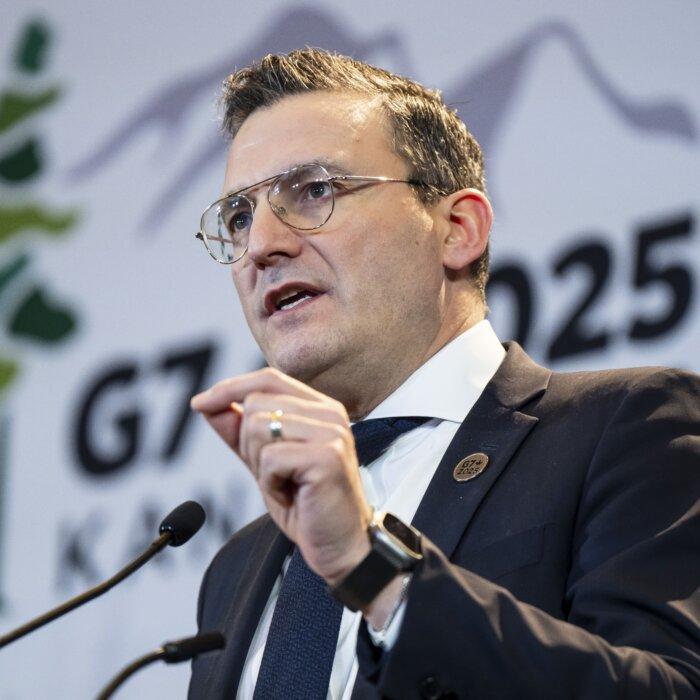
The announcement of Dufesne’s expanded investigation comes after Minister of Artificial Intelligence and Digital Innovation Evan Solomon said on Jan. 11 that contrary to some media reports, Canada was not looking to ban X.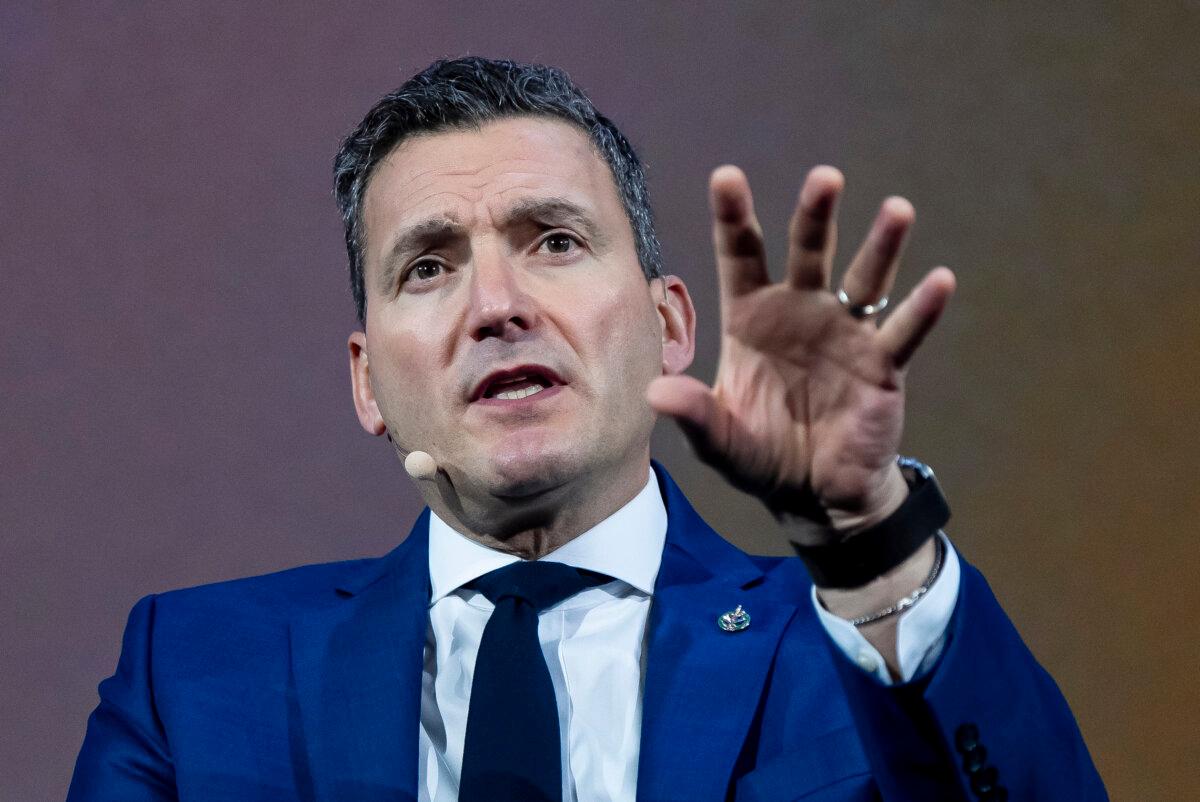
Solomon’s statement came amid reports that the UK government had rallied international support to challenge X over the reports about Grok being used to generate and post sexually explicit images, including some that appeared to depict minors.
His Jan. 8 post also said the federal government is “continuing to advance responsible AI, including introducing Bill C-16, the Protecting Victims Act, to amend the Criminal Code to include deepfakes as intimate images for the offence of publication of an intimate image without consent.”
Meanwhile, the European Commission has ordered X to retain all internal documents and data relating to Grok for longer than previously requested while the commission ensures compliance with its rules, spokesperson Thomas Regnier said at a press briefing on Jan. 8.
Germany, France, and Italy have indicated potential regulatory action against X over the AI-generated explicit images. Indonesia was the first country to temporarily deny access to Grok on Jan. 10, followed by the Malaysian government on Jan. 11.