“We are forging new partnerships abroad to create greater certainty, security and prosperity at home,” the PMO said.
The prime minister will fly to Mumbai, and then to New Delhi to meet with Indian Prime Minister Narendra Modi on Feb. 26 to discuss “elevating and expanding the Canada-India relationship,” according to the statement. The two will discuss partnerships on trade, energy, AI talent, culture, and defence.
The PMO said Carney will then travel to Sydney and Canberra in Australia, where he will meet with Prime Minister Anthony Albanese to discuss further cooperation on defence, critical minerals, and trade. Carney will also deliver an address to both Houses of Australia’s Parliament, marking the first time in nearly two decades that a Canadian prime minister has done so.
Carney will then fly to Tokyo, Japan, to meet with Japanese Prime Minister Sanae Takaichi. The two will discuss partnerships in energy, critical minerals, and food security, as well as increasing defence cooperation in the region before Carney’s return to Canada on March 7.
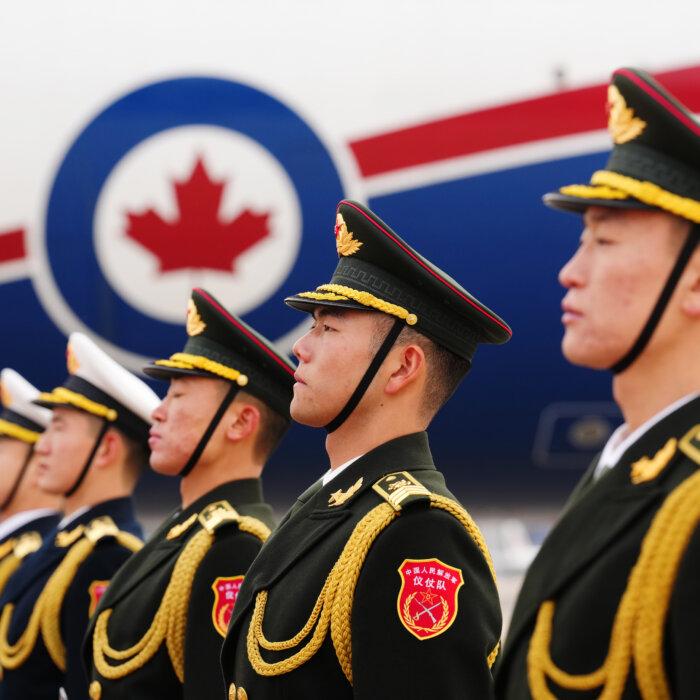

The prime minister’s visit to Japan comes a few weeks after a general election that saw Takaichi’s Liberal Democratic Party (LDP) win a sweeping majority. The LDP is a conservative and nationalist party that favours increasing defence spending—as well as revising Article 9 of Japan’s constitution to allow for collective self-defence—to counter China’s rise.
Canada-India Relations
The prime minister’s trip to India comes shortly after Ottawa and New Delhi signed a joint statement to increase bilateral trade in oil and gas. The Jan. 27 statement said Canada’s desire to diversify its energy exports and India’s need for oil and gas provided a “natural and symbiotic partnership.”Carney’s trip to India, as well as the joint statement on energy exports, is part of a re-establishment of relations between the two countries following a period of cooling that began under former Prime Minister Justin Trudeau.
Relations between the countries soured in September 2023 after Trudeau accused India of being involved in the assassination of pro-Khalistan activist Hardeep Singh Nijjar in British Columbia, an allegation that India denied. India has long accused Canada of being a safe haven for Sikh separatists who want to carve an independent state called Khalistan out of India’s Punjab region.
Anand was asked by reporters on Feb. 23 if she would address transnational repression and the killing of Singh Nijjar during upcoming meetings with India, and she replied, “of course.”
She said the “security situation at home and abroad in terms of Canadians is of extreme concern and priority” for the government.