Prime Minister Anthony Albanese has broken his silence on the mourning of Iranian leader Ali Khamenei by mosques and Islamic groups across Australia.
Khamenei was killed on Feb. 28, 2026, in a targeted U.S.-Israeli air strike on his Tehran compound, amid escalating Middle East tensions, ending his 36-year rule.
Many mosques and Islamic groups in the country have openly advertised memorial services or posts in support of Khamenei, leading to concern and criticism from some groups and politicians.
Speaking on the ABC’s 7.30 program on March 2, Albanese said it was not appropriate to hold ceremonies to mourn Khamenei’s death in Australia.
“We have a clear position as the Australian government ... I am sure that is shared by the overwhelming majority of Australians, including the overwhelming number of Australians of Iranian descent,” he said.
“I don’t think they [the ceremonies] are appropriate and certainly I think that overwhelmingly people won’t be participating.”
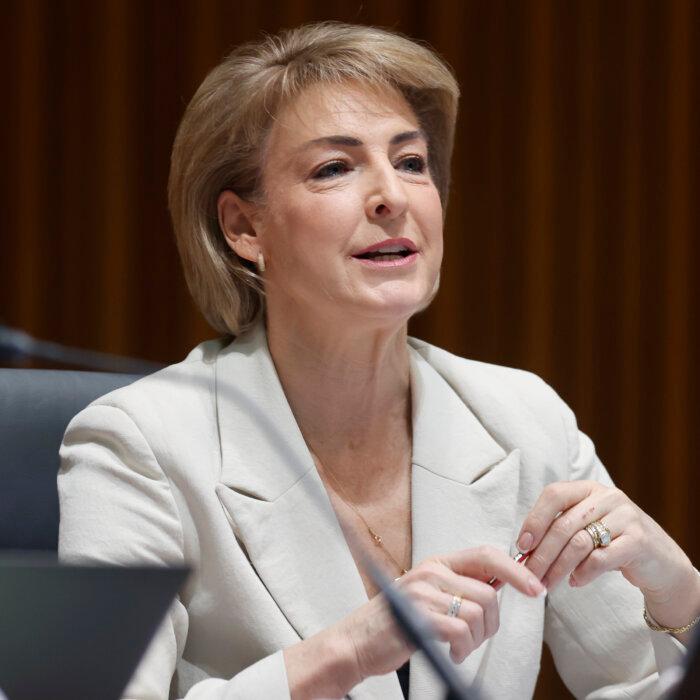

In the Senate on March 2, Liberal Senator Micahelia Cash called on Australia’s foreign minister to condemn the ceremonies, but did not receive support.
“[Foreign Affairs Minister] Penny Wong refused to condemn these services ... what an absolute disgrace.”
Wong did, however, tell media that “no one mourns the death of the supreme leader.”
“This is a man who was responsible for a regime that brutally murdered its own people in an attempt to retain authority,” she said.
The Escalating Conflict
The U.S.-Israel military offensive, Operation Epic Fury, struck hundreds of Iranian military, nuclear, and leadership targets after months of rising tensions and failed diplomacy over Tehran’s missile and nuclear programs in addition to claims that tens of thousands of Iranian protesters had been killed by the regime.After the strikes killed Ayatollah and government officials, the IRGC returned fire.
Iran’s allied militia Hezbollah began firing rockets from Lebanon, while the conflict spread to attacks on U.S. bases in several Gulf states and disrupted shipping through the strategic Strait of Hormuz.
Numerous flights have been delayed or cancelled, including routes to Europe.
Iranian Regime A Threat to Global Peace: Albanese
Albanese said Iran’s response to the military operation shows why the regime is a threat to global peace and stability.“I think that this is a regime which has engaged in international terrorism support including here in Australia, with at least two anti-Semitic attacks, including the financing and promotion of the attack on the Adass Synagogue in Melbourne,” he said.
Albanese was among the world leaders publicly issuing support for the U.S.-Israel joint attack.
“What we are supportive of is the United States making a decision about stopping Iran getting nuclear weapons and also stopping the role that Iran has played in undermining peace and security in the region,” Albanese said.
“They have been bad actors for a long period of time now.”
Australian Defence Minister Richard Marles told the ABC the most important aspect was ensuring Iran did not acquire nuclear capability.
“What’s fundamentally important here is that Iran is prevented from acquiring a nuclear weapon,” he said.
Marles has ruled out Australian involvement in the conflict, and says Australia was not given prior notice of the attacks.