Australia has relied too heavily on population growth to drive its economy, which is masking genuine problems with productivity, says a Deloitte economist.
Deloitte Access Economics has released its June 2026 Business Outlook report, painting a gloomy picture the country’s economy over the coming period.
In the report, the consulting firm downgraded its forecast for Australia’s real GDP growth in 2026 from 1.9 percent to 1.3 percent. It also projected growth would remain below 2 percent over the next two years.
This would leave Australia facing its longest stretch of sub-2 percent growth since the early 1990s recession, amid high inflation, elevated interest rates and weak business investment.
“Australia’s growth outlook has deteriorated over the past six months. The economy is still expanding, but growth has slowed and the outlook has become more fragile,” said report author Stephen Smith.
“Inflation has reaccelerated, interest rates have moved higher, and the oil price shock triggered by conflict in the Middle East is not yet fully resolved.”
Population Growth Masking Weak Economy
Smith said developments so far in 2026 had exposed vulnerabilities in the Australian economy which relied too much on population growth.
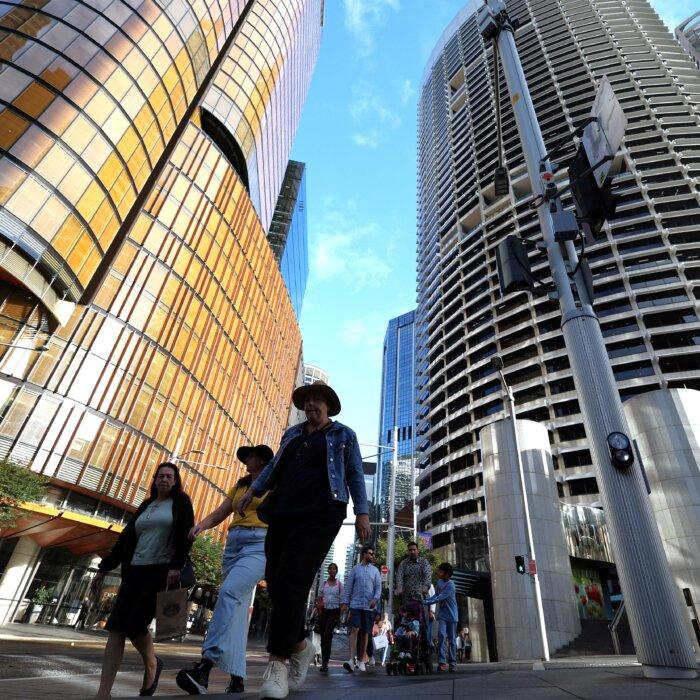
“For too long, strong population growth has masked a weak underlying productivity performance and lifted aggregate growth while doing less to improve living standards,” he said.
“Years of insufficient investment in housing, infrastructure, energy and the economy’s productive capacity have left the supply side of the economy struggling to keep pace with demand.
“The result is an economy more prone to inflation pressures at lower rates of growth.”
Pointing to Australia’s weak economic growth, the report said the outlook was unlikely to improve until households and businesses became more confident about spending and investing.
However, Smith noted that both households and businesses remain under pressure amid the current economic conditions.
“Tax relief, nominal wage gains and higher minimum and award wages from July will provide some support [for households]. Yet those offsets are being tested by renewed inflation pressure, higher borrowing costs, volatile fuel and transport costs, and weak confidence,” he said.
“Business investment has strengthened over the past six months, but that strength is narrowly focused. The standout sector was information media and telecommunications.”
CPI to Remain Above 4 Percent
Deloitte economists expected the Consumer Price Index (CPI) to remain above 4 percent for the remainder of the year as the effects of the oil shock continue to feed through the economy.While headline inflation fell from 4.2 percent in the 12 months to April 2026 to 4.0 percent in the year to May 2026, underlying inflation rose from 3.4 percent to 3.6 percent over the same period, its highest level since 2024.
Deloitte’s forecast aligns with the Reserve Bank of Australia’s (RBA) view that there are still upside risks to inflation in the coming months.
The bank decided to keep the official cash rate unchanged in June despite inflation showing signs of reaccelerating.
However, Deloitte predicted that the RBA would raise the official cash rate by 25 basis points to 4.6 percent at its next board meeting in August, followed by a 12-month pause.
Treasurer’s Response
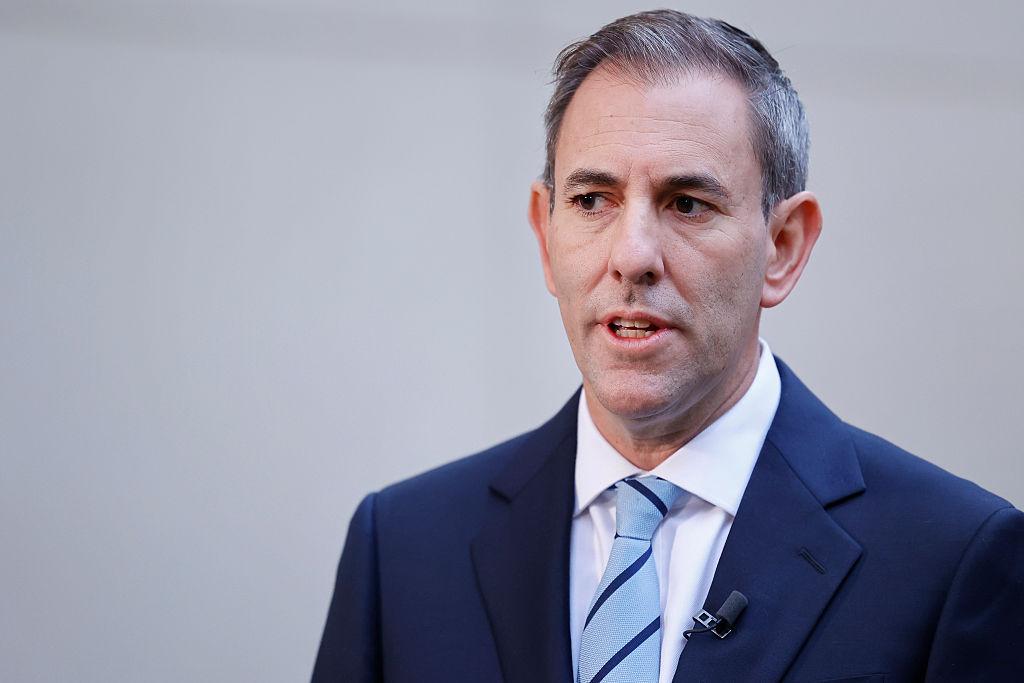
Treasurer Jim Chalmers said the report served as a reminder of the impact of lingering cost pressures and the conflict in the Middle East on economic growth.However, citing recent labour market and fiscal data, he remained optimistic about Australia’s economic outlook.
“We have a lot coming at us from around the world but a lot going for us here at home,” he said.
“Under Labor, Australia has the lowest average unemployment of any government in half a century, smaller deficits and less debt than the Coalition left us, booming business investment, with tax cuts and higher wages that the right-wing parties oppose.”