RCMP in Nova Scotia said they’ve used polygraph tests on some of the people interviewed in an investigation into the case of two missing children in that province.
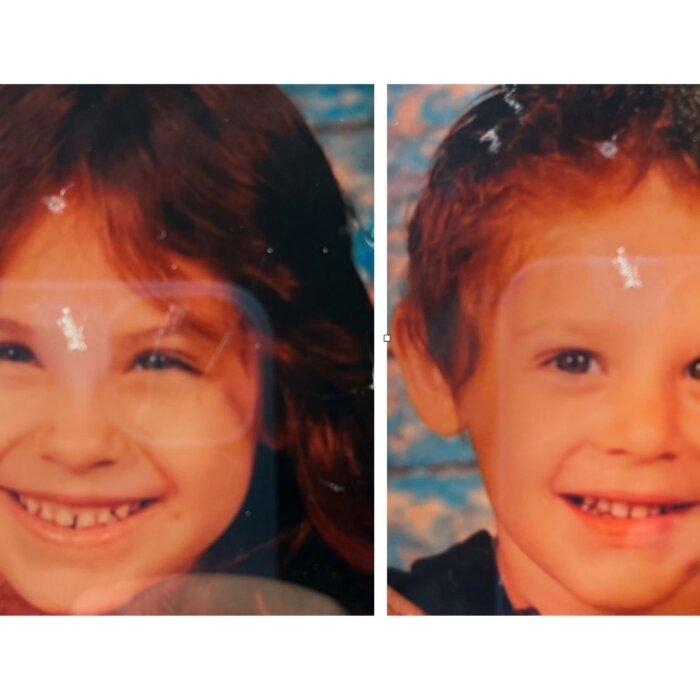
Lilly Sullivan, 6, and Jack Sullivan, 4, were reported missing on May 2. The siblings were said to have wandered off from their home on Gairloch Road in Lansdowne Station, about 140 kilometres northeast of Halifax.
Police conducted a search of the area following the children’s disappearance, but scaled back the search on May 7. Ground and air searches were resumed on May 17, with RCMP saying they were going to focus on specific areas rather than a wider search.
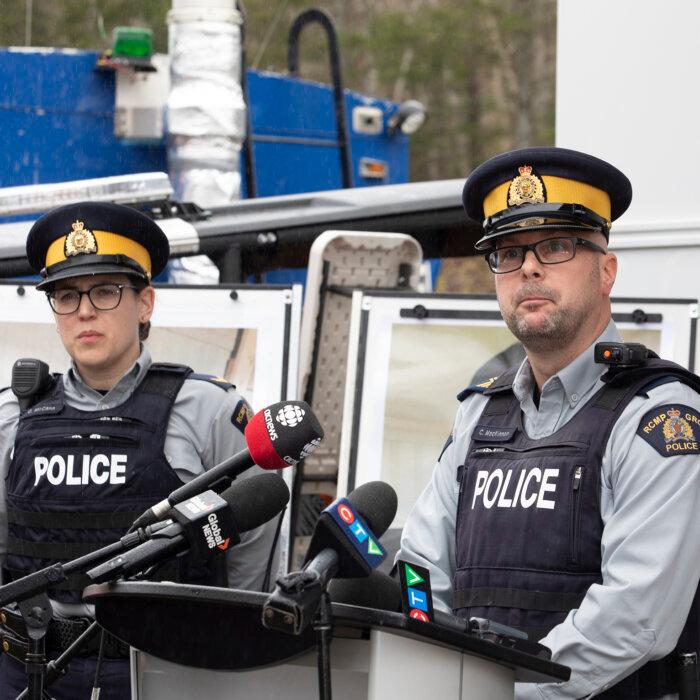
RCMP said they’ve received nearly 500 tips in the case and have interviewed 54 people, some of whom have taken a polygraph test.
“We’re accessing, evaluating and analyzing a significant volume of information from a variety of sources,” investigation lead Cpl. Sandy Matharu said.
“We have a very coordinated and deliberate approach to make certain all information is meticulously scrutinized, prioritized and actioned to ensure nothing is missed.”
A polygraph test measures physiological symptoms and is based upon the idea that a person who is lying will exhibit physical signs like sweating and increased blood pressure, breathing, or heart rate, according to B.C. Provincial Court.
The tests are used by various Canadian police agencies in investigations, but results are not permitted to be used in court as evidence.
Matharu said police were “committed to doing what is necessary” to locate the missing siblings, adding it may take longer than what was hoped for.
The investigation has involved more than 11 RCMP units, including the major crime unit, underwater recovery team, and police dogs.
The National Centre of Missing Persons, Canadian Centre for Child Protection, and provincial and municipal police agencies from Nova Scotia and other parts of Canada have been working together in the search, RCMP said.
More than 100 volunteers helped search 5.5 square kilometres of densely wooded area after the children were reported missing. Police have used tracking dogs, helicopter crews, and aerial drones equipped with heat-seeking technology to aid in the search.
RCMP said they have searched the property where the children went missing “extensively,” including examining the grounds, outbuildings, and nearby septic systems, wells, mineshafts, and culverts.
In addition, police obtained court approval to seize and examine materials and devices that may have information useful to the investigation.
An underwater recovery team searched bodies of water around Lansdowne Station but did not uncover any evidence to aid the investigation.
Two vulnerable missing persons alerts were also issued by RCMP in the search for the children.
Staff Sgt. Rob McCamon, who is the acting officer in charge of the major crime and behavioural sciences unit, said the investigation has included a group of “tenacious, committed” investigators.
McCamon said they are gathering and assessing information each day to try and uncover the circumstances of the children’s disappearance.
“All scenarios are being considered, and we’ve engaged every tool and resource at our disposal,” the staff sergeant said.
Hundreds of hours of video footage from around Lansdowne Station has been obtained by police.
RCMP said the siblings had been observed with family members on the afternoon of May 1.
Lilly is described as having shoulder-length light brown hair with bangs. She might be wearing a pink sweater, pink pants, and pink boots. Jack has been described as having short blondish hair and wearing blue dinosaur boots.
Anyone with information has been asked to contact RCMP, 902-896-5060 or Crime Stoppers, 1-800-222-8477 (TIPS).