The Parti Québécois would win a provincial election if it were held today, a new poll indicates, putting the support for the separatist party at 35 percent—an 18 percentage point lead over the governing CAQ.
Moreover, the poll found that 26 percent of the vote would go to the Liberal Party of Quebec led by Pablo Rodriguez, representing a 2 percentage point decrease, while 17 percent of the vote would go to the Coalition Avenir Québec (CAQ) led by current Premier François Legault, which indicates stable support since June.
Additionally, the poll found that 10 percent of Quebecers would vote for the Conservative Party of Quebec led by Éric Duhaime, which is a 4 percent decrease from June, and 9 percent of Quebecers would vote for Québec solidaire led by Ruba Ghazal, representing stable support since June.
Sixty-seven percent of respondents expressed dissatisfaction with Legault’s government, which is the highest rate since Legault was elected premier in 2018.
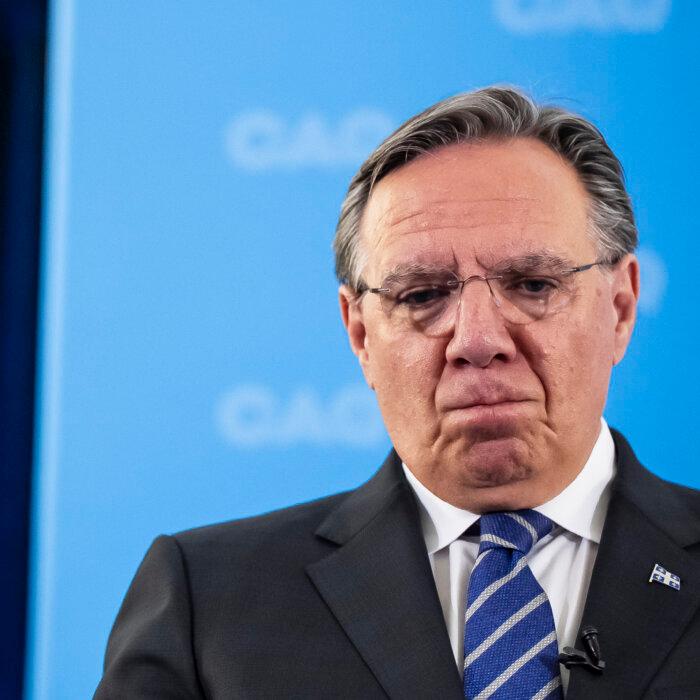
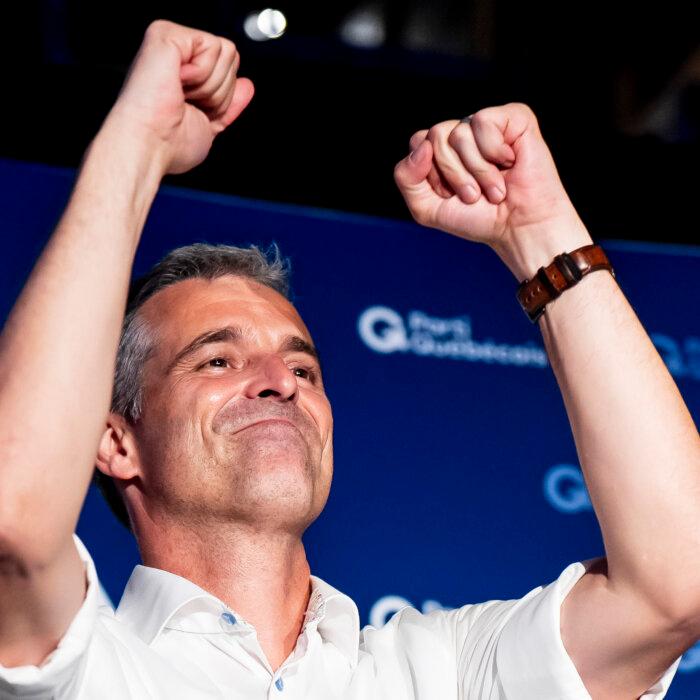
Following his party’s defeat in the Arthabaska byelection, Legault has said that he will reflect on the loss with “humility” and “listen” to Quebecers. He has said he will shuffle his cabinet in the fall and hopes the change will boost his government’s support among voters.
The Aug. 20 Leger poll indicated that the majority of voters, 58 percent, said they don’t believe Legault’s cabinet shuffle will increase support for the party, while 23 percent said they think it will.
Looking ahead to the 2026 provincial election, 65 percent of Quebec residents said they would like to see a change in the ruling party, while 18 percent said they would like the CAQ to remain in power, and 17 percent did not answer or said they didn’t know.
“The Parti Québécois and its leader, Paul St-Pierre Plamondon, are considered to be those who most embody change,” said a release on the poll results.
‘An Extraordinary Feat’
The PQ won 46 percent of the vote in the Arthabaska byelection on Aug. 11, while Quebec Conservative Leader Éric Duhaime came in second place with 35 percent support.The CAQ had held the seat in the Arthabaska riding since 2012, but the party’s share of the vote fell to fourth place with just 7 percent support in the byelection, behind Quebec Liberal Party candidate Chantale Marchand, who won 9 percent of the vote.
Following the Aug. 11 vote, Boissonneault called his victory “an extraordinary feat,” noting the PQ had “reclaimed our magnificent corner of the country.”
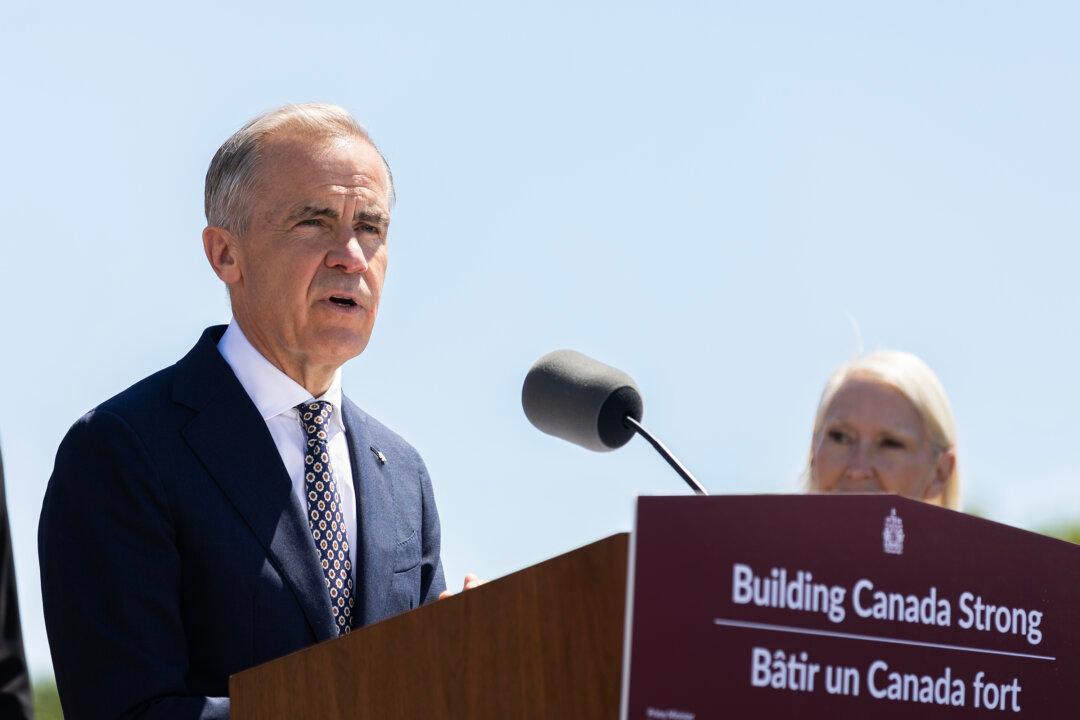
In addition to provincial politics, Quebecers were also asked how they would vote federally if an election was held today. Around 43 percent said they would vote for Prime Minister Mark Carney’s Liberal Party, while 28 percent said they would vote for the Bloc Québécois led by Yves-François Blanchet, both of which indicate stable support since the April 28 federal election.
Around 22 percent said they would vote for Pierre Poilievre’s Conservative Party, representing a one percentage point decrease in support, while 5 percent said they would vote for Don Davies’ NP, representing no change, and 2 percent for Elizabeth May’s Green Party, which is a one percentage point increase in support.
In terms of Quebec sovereignty, 36 percent of Quebec residents said they supported sovereignty, which indicates stable support since June. Those aged 18 to 34 are the most likely to support independence, with 42 percent of this age group voting in support of sovereignty, the poll found.
The Leger poll was conducted online from Aug. 15 to 18 and surveyed 977 Quebecers over the age of 18 who are eligible to vote in Canada. A comparative margin of error for the sample size is +/-3.1 percent, 19 times out of 20.