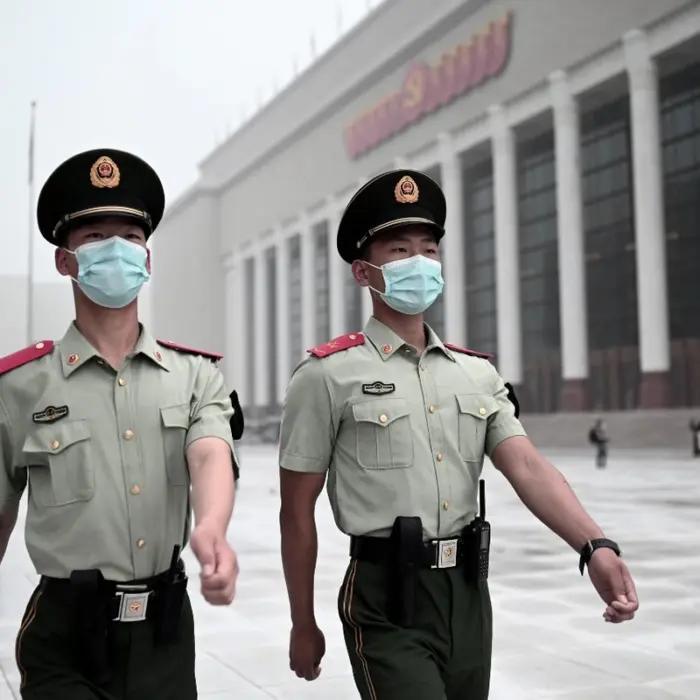
Many Canadians were surprised by the federal government’s recent law enforcement cooperation agreement with Beijing, Senator Clément Gignac told an RCMP representative during a parliamentary committee meeting.
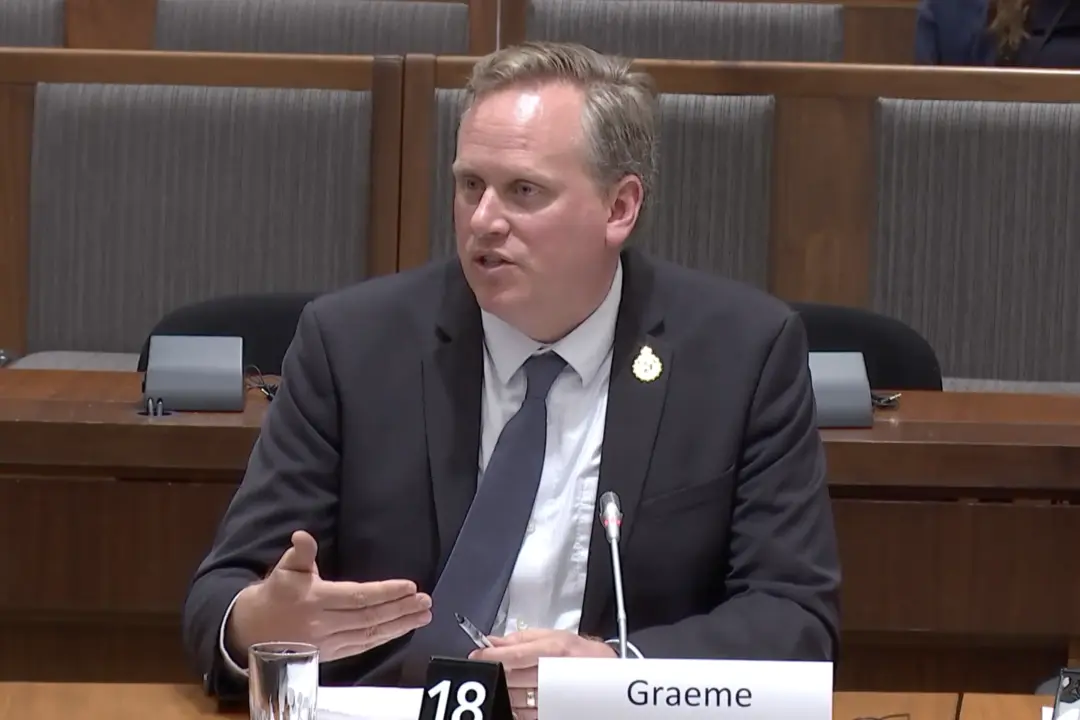
“Can you tell me a little bit? What does it consist of?” Gignac asked Larkin. “What is this public safety program with China?”
Larkin told the Senate the MOU signed during Carney’s visit to China is a “re-enhancement” of one that was first signed in 2010, then reviewed in 2014 and 2018, noting that MOUs with many different law enforcement agencies are reviewed, modified, or updated to modernize language “from time to time.”
“I cannot speak to the specifics of what is in the MOU,“ Larkin said. ”We would not disclose anything in the agreement without their permission, and mutually they would do the same.”
“But what I can tell you, to bring ease of concern, is that these are very standard,” he said.
He noted the RCMP has MOUs with the FBI, the DEA, the CIA, as well as with other police agencies in Canada, and such agreements are about how law enforcement agencies share information, disclose information, how they conduct mutual investigations when requesting information, and the address the cost of investigations.
“It’s also generally in the spirit of cooperation, the spirit of ensuring public safety, not only in our country, but also across,” he said.
The RCMP is particularly interested in aspects of the MOU relating to precursors, fentanyl, other illicit drugs in society, and how the RCMP can work collaboratively with China’s Ministry of Public Security “to ensure the safety of Canadians,” Larkin added.
Since the agreement was made, the federal government has kept details of the MOU confidential, though other MOUs signed during Carney’s China visit have been made public.
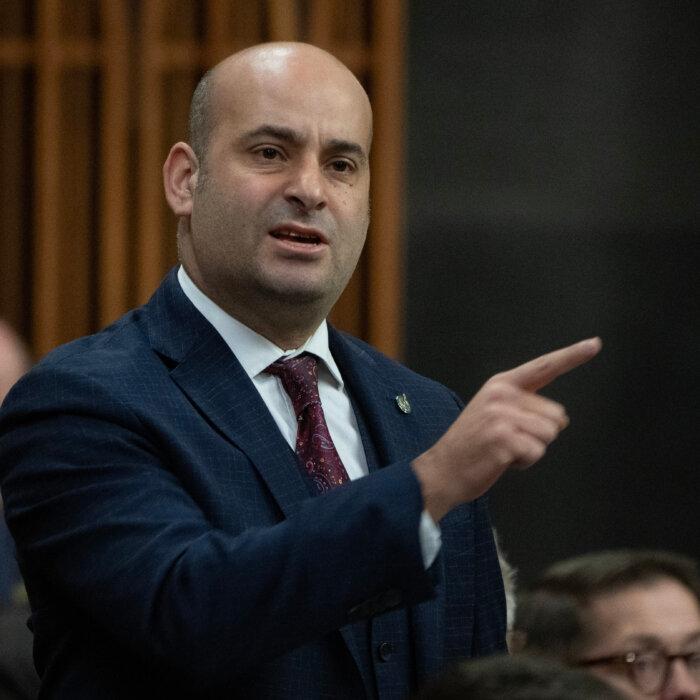
Conservatives have repeatedly pressed Canada’s minister of public safety to allow parliamentarians to review the agreement if it can’t be released to the public.
Anandasangaree said he had previously addressed Caputo’s concerns and said it is “imperative for Canada to ensure that we meet countries where they’re at, not where we want them to be.”
Concerns
Conservative MP Michael Cooper, who serves as his party’s democratic reform critic, has also voiced concerns about the MOU, saying China has engaged in transnational repression targeting Chinese diaspora communities in Canada. He said Beijing has “shown no respect for Canada’s sovereignty” and has threatened the safety and security of Canadians.His outlook on China has apparently shifted since then. During a January trip to China, he said Ottawa and Beijing were in a “strategic partnership” and that relations between the two countries had entered a “new era.”
Secret Chinese Police Stations
Meanwhile, former national RCMP director Garry Clement has noted the deal involves the same Chinese ministry that was involved in operating illegal police stations across Canada.The testimony came during the trial of former RCMP officer William Majcher, who has pleaded not guilty to allegations he helped Beijing in a scheme to “induce” a Chinese expat to turn himself over to China, where he was accused of financial crimes.