The number of forced marriages reported to the Australian Centre to Counter Child Exploitation (ACCCE) has increased from 91 in 2023/24, to 118 in 2024/25.
“As Australian school communities prepare to ring in a new year, it’s an exciting time for everyone involved, from teachers and principals to parents and guardians,” said the commander of the Australian Federal Police’s (AFP) efforts to combat human exploitation, said Commander Helen Schneider.
“But, in among that excitement, it’s also timely to raise awareness of the role these communities have to play in helping to tackle the very real risk of forced marriage.”
She said schools could play a frontline role in ending the practice.
“It’s a crime people often assume doesn’t happen here in Australia. But it can, and it does. And, with potential victims often being school-aged, this makes school communities—from educators and parents through to fellow students—a key partner in awareness.”
A forced marriage occurs when a person is wed without freely and fully consenting, either because they have been coerced, threatened or deceived, or because they are incapable of understanding the nature and effect of a marriage ceremony, for reasons including age or mental capacity.
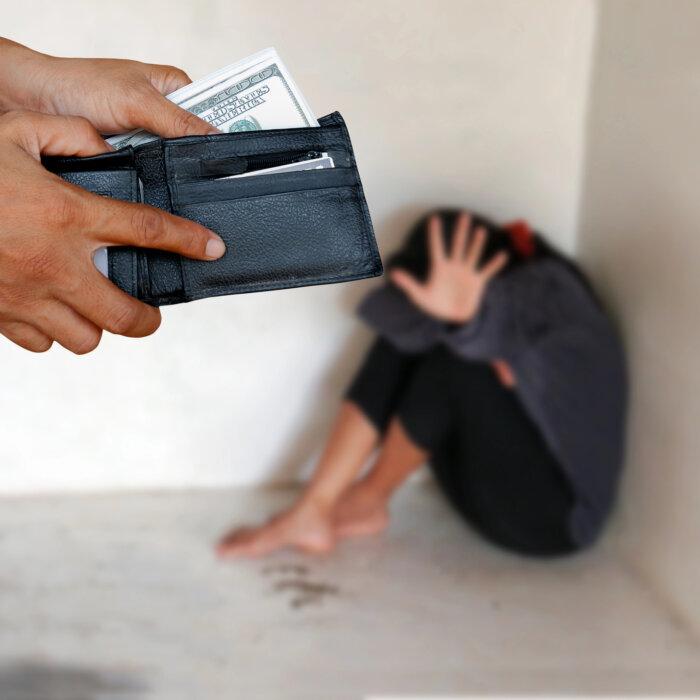
The legal age for marriage in Australia is 18, and while a child aged between 16 and 18 can obtain a court’s permission to marry, it must be to an adult.
Severe Penalties for Human Trafficking
Forced marriage is a crime in Australia, and has been since 2013, since when it has risen to become Australia’s most reported form of modern slavery.If someone is being forced to marry and is moved within Australia or to or from another country for the marriage, this could be charged as human trafficking. The penalty for that offence includes jail for up to 20 years, or 25 years for child trafficking.
That can apply even to legally recognised marriages, as well as to cultural or religious ceremonies, regardless of whether they occur in Australia.
Meanwhile, arranged marriages are legal and occur where the family or community members play a leading role in introducing or choosing a spouse, with both parties consenting to the marriage.
Schneider acknowledged that forced marriage was a complex crime because family members were often involved as both victims and perpetrators, meaning young victims might be reluctant to involve police or not know where to seek help.
“People may not report this crime due to a lack of awareness of their rights, a distrust of law enforcement, and a fear of retribution, especially when the perpetrators are from their own communities or families,” she said.
People working in a school setting interact with learners all day, which allows them to develop a deep understanding of students’ personalities.
Warning Signs
ACCCE advises that warning signs include: children being allowed only very limited independence and privacy, being constantly monitored by a family member, or expressing concerns about planned family travel overseas or a sudden change in the circumstances at home.Other indicators include a sudden withdrawal or isolation from their school friends and a decrease in the time and effort they put into schoolwork.
They may experience mental health issues such as depression, anxiety, self-harm or panic attacks, and express concerns about experiencing physical or psychological violence for not fulfilling family or community expectations.
Having older siblings who left education early or married young is also a warning sign.
Schneider said while most reported victims were young women and girls, anyone could be a victim of forced marriage, regardless of their religion, ethnicity or gender.
- If you suspect that you, or another person, has experienced, or is at risk of, forced marriage or human trafficking, call 131 AFP (237) or use the AFP’s human trafficking online information report.
- If you have immediate concerns for your safety or the safety of another person, or there is an emergency, dial Triple Zero (000).
- My Blue Sky, an initiative of ACCCE partner Anti-Slavery Australia, delivers specialised advice and support to individuals and communities affected by forced marriage.
- Life Without Barrier’s Forced Marriage Specialist Support Program (FMSSP), funded by the Federal Government, assists victims of human trafficking, slavery and slavery-like practices.