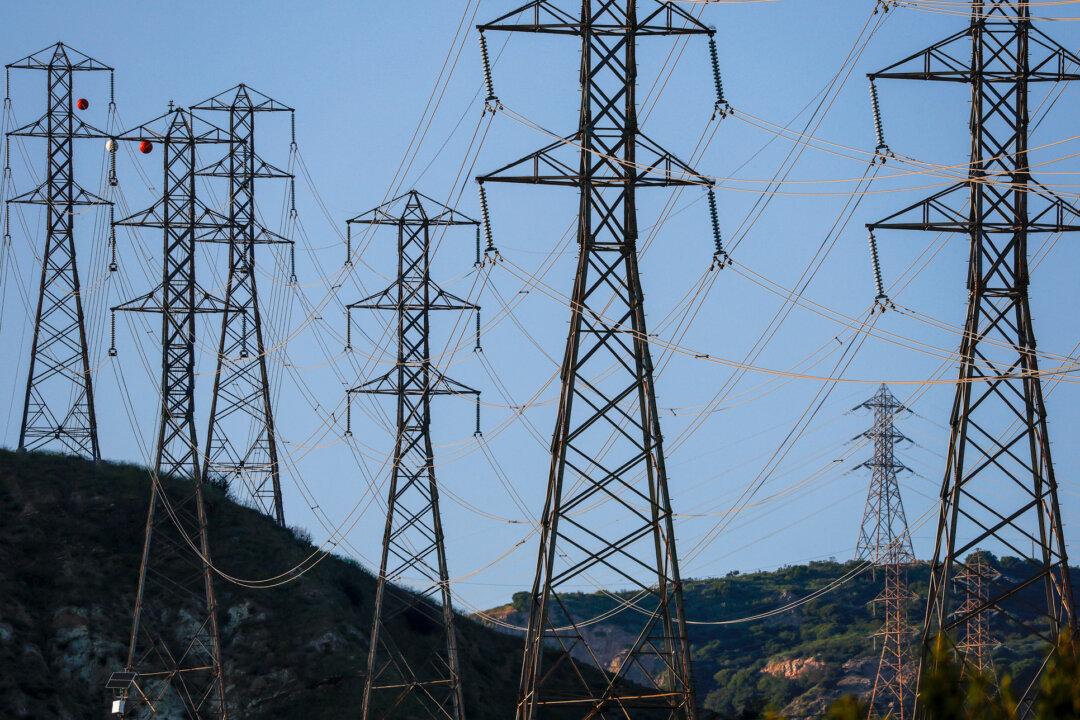
Conservative Leader Pierre Poilievre is asking the Liberal government to adopt various proposals from the Tories in order to seek the removal of U.S. tariffs on Canadian goods, including establishing a Strategic Energy and Minerals Reserve that would be available only to countries that provide tariff-free market access to Canada.
He said the Conservatives have proposed policies that would “unleash” Canada’s resources and industrial base, secure borders, and confront forced-labour products making their way into Canada from abroad, for which Washington has imposed tariffs on Canada.
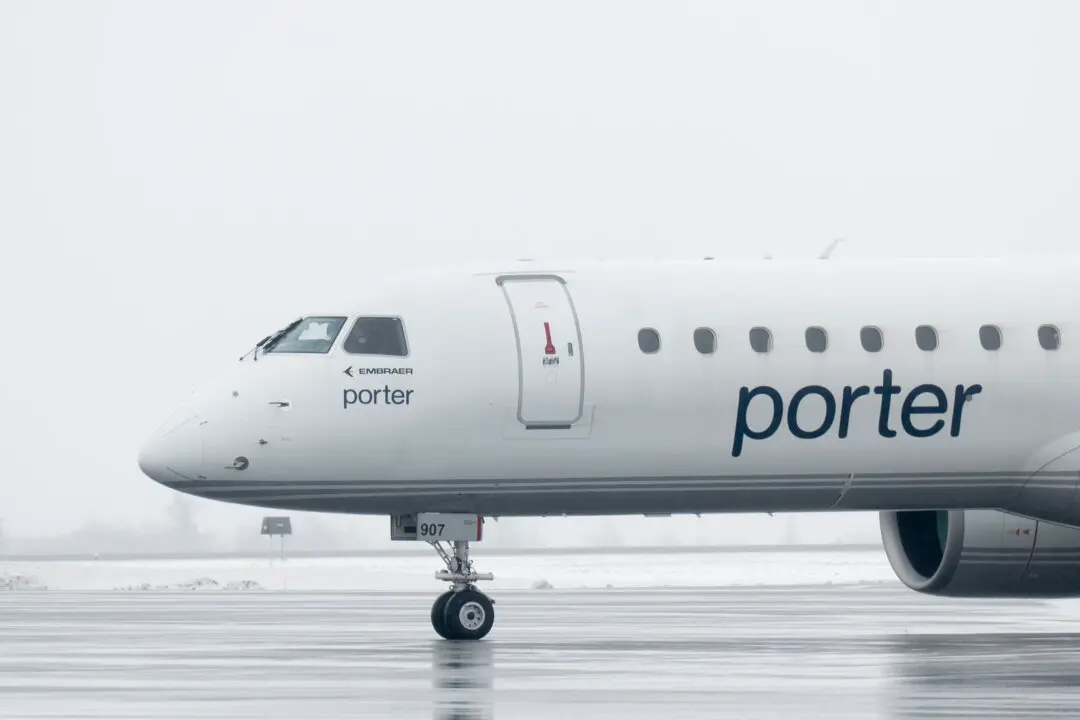
The United States recently imposed additional 50 percent tariffs on US$20 billion worth of Canadian products, citing concerns about Canada’s retaliatory auto tariffs, supply management, and provincial bans on U.S. alcohol. Canada has said that measures such as its autos counter-tariffs are in response to Washington’s sectoral tariffs such as those on Canadian auto, which Ottawa says violate the Canada-United States-Mexico Agreement (CUSMA).
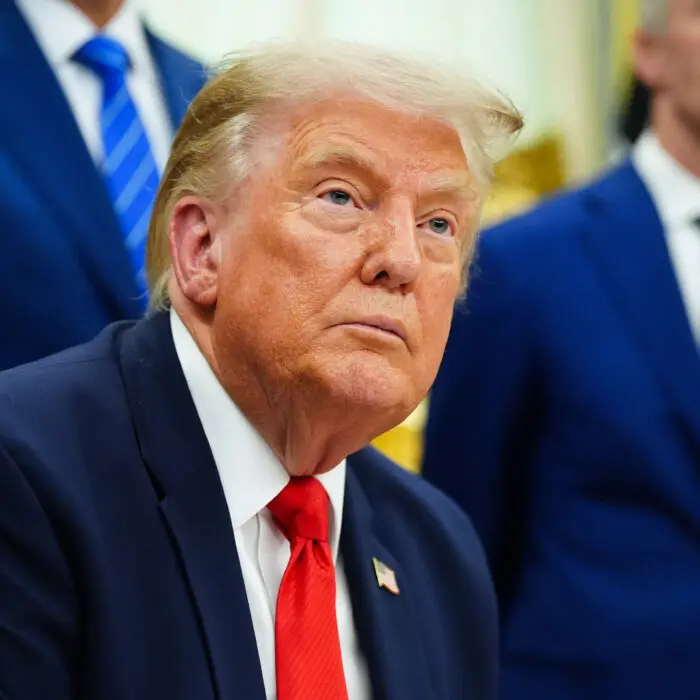
In his letter, Poilievre criticized Carney for other “concessions” in trade negotiations with the United States.
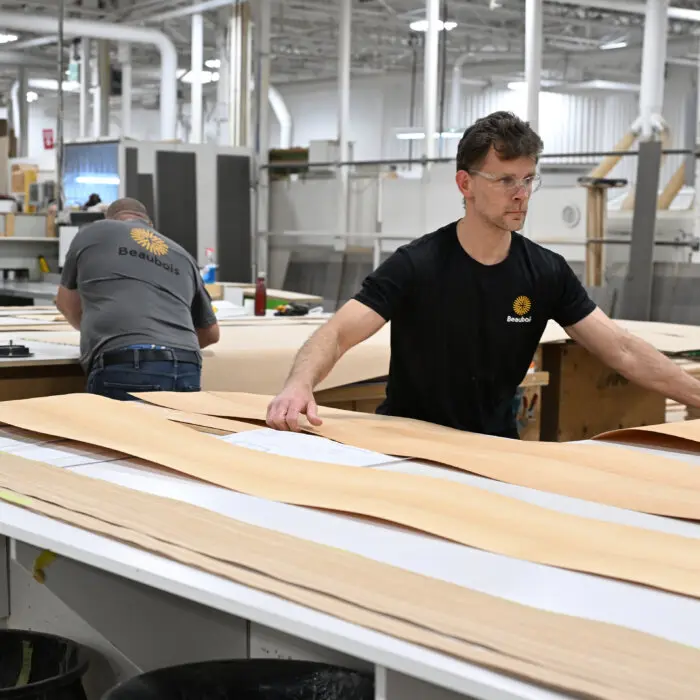
“You dropped the Digital Services Tax and Netflix Tax, removed Canada’s retaliatory tariffs, and handed the United States half of the net toll revenue from the Gordie Howe International Bridge before Canada has even recovered its construction costs,” Poiliever wrote. “Worse, you have lost ground with American tariffs on Canadian steel and aluminum doubling and broadening, and tariffs on lumber tripling.”
As for the Gordie Howe International Bridge, Canada financed the approximately $6.4 billion crossing between Windsor, Ont., and Detroit, Mich. The original agreement called for Canada to collect the tolls for the first few decades until it recovered its costs, after which the revenue would be split with the United States. However, after Washington initially blocked the opening of the bridge earlier this year, the two sides reached a new agreement under which they will share net revenues for the first 15 years.
“We’re interested in a more comprehensive deal, more global deal that addresses the strategic sectors, as well as aluminum, where there’s a win-win deal that should be there—steel, automobiles, forest products, and a series of what are called derivative products,” he said.