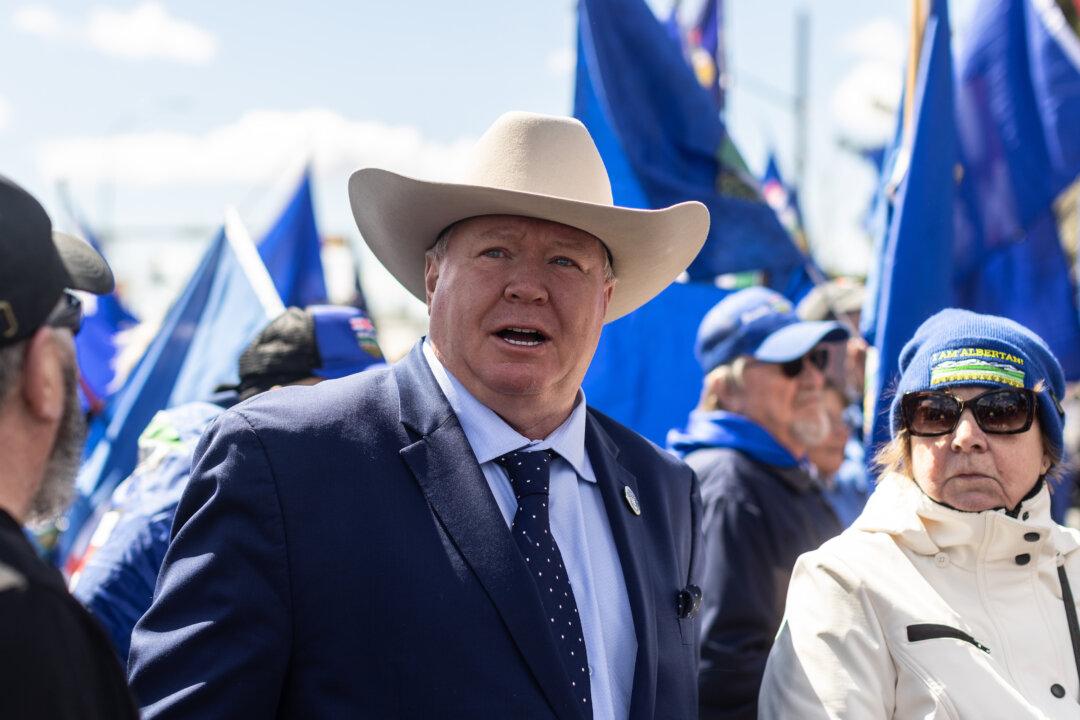
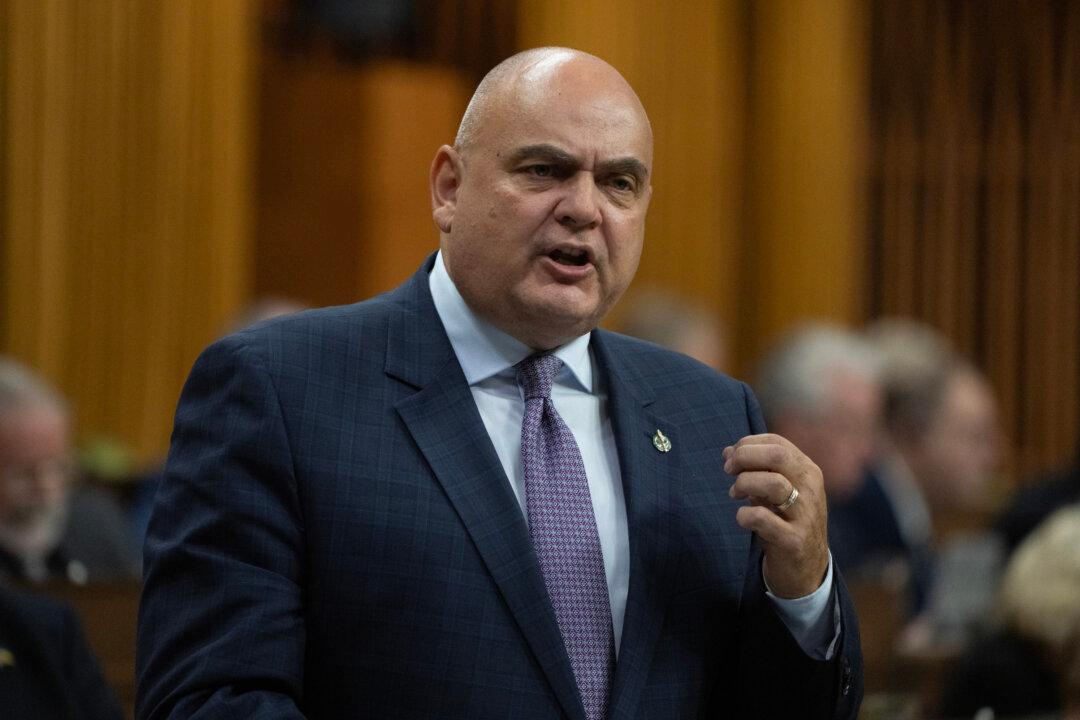
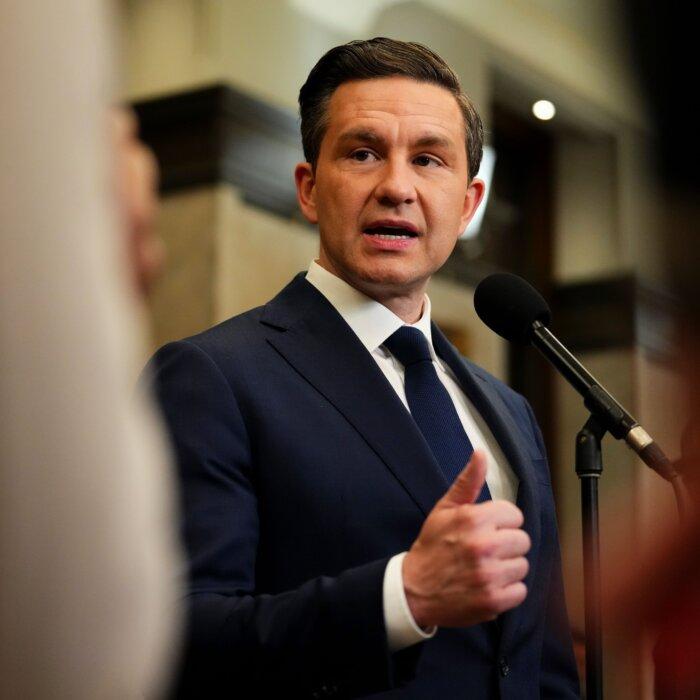
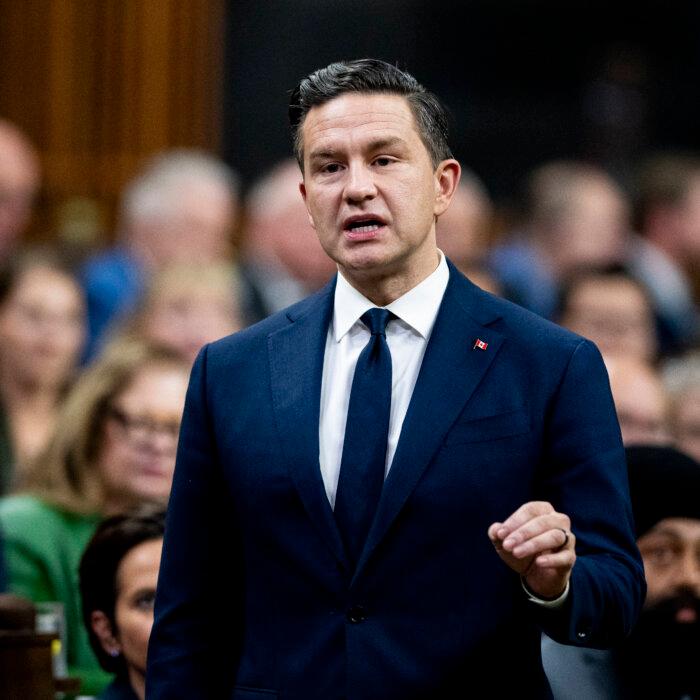
Conservative Leader Pierre Poilievre visited the site where the Magna Carta was sealed during his trip to the United Kingdom, saying the 1215 charter is foundational to Canada’s current democratic traditions and laws.
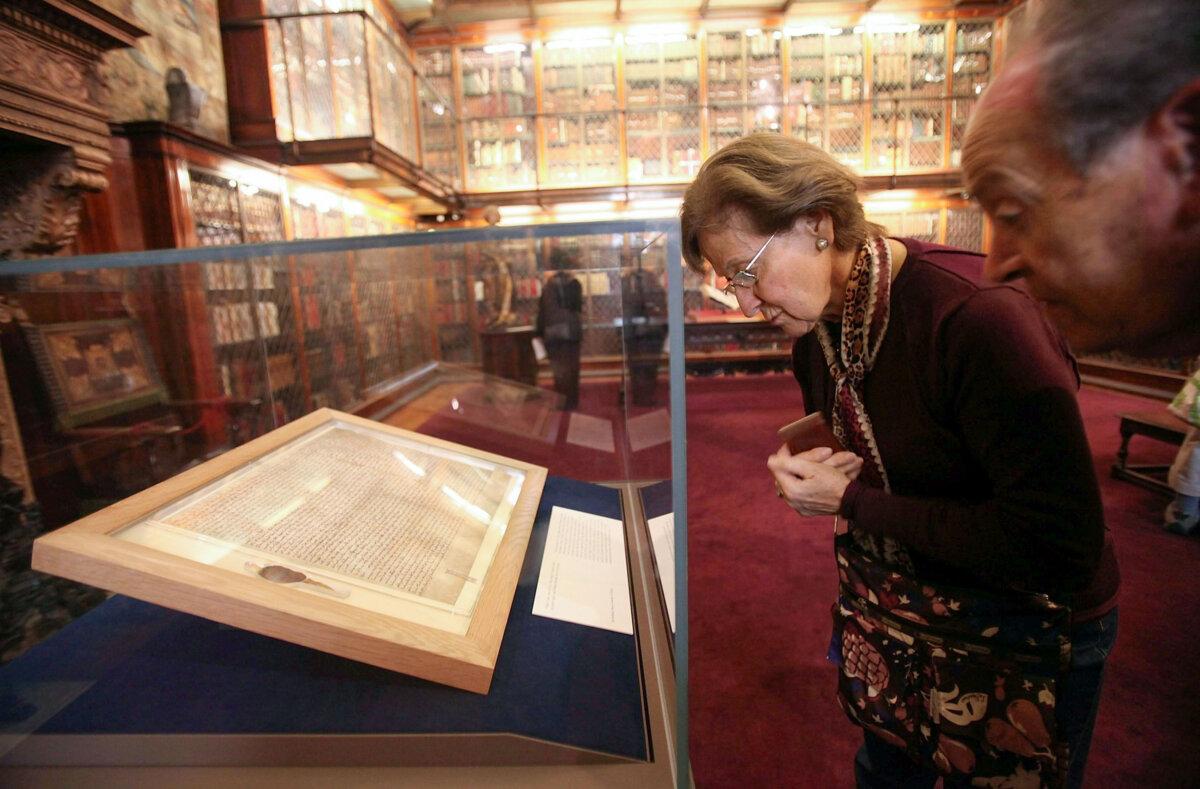
At the outset of the video, Poilievre read an inscription from the Magna Carta that said no free man should be imprisoned or stripped of his rights or possessions, “nor will we proceed with force against him or send others to do so, except by the lawful judgment of his equals or by the law of the land.”
“800 years later, we still look back at this document—signed in this place—as a turning point in the history of freedom and the rule of law,” Poilievre said.
The Conservative leader said that many of the more than 60 clauses contained in the Magna Carta had been replaced, and “some of them are a little hard to understand,” such as all “fish-weirs” needing to be removed from the River Thames.
“But if you squint hard, you can peer through the Old English and ancient disputes and see the familiar and cherished rights that we take for granted today,” Poilievre said.
The Tory leader said this includes not being arrested without charge, not having a trial without jury, and “my favourite—one the Americans think they invented, but started right here in these fields—no taxation without representation.”
Poilievre also said the document prohibiting any royal official from taking firewood, carts, or horses without the consent of the owner is “one of the earliest examples of what we now call property rights.”
He also noted that Canada’s House of Commons is coloured green to represent the green fields of England where the Anglo-Saxon assembly met to advise the king.
Poilievre said Canada’s constitution “inherits its DNA” from the Magna Carta, with the Supreme Court even recognizing “this important evolution” when it said Canada’s democratic traditions could be traced back to the document.
“What started here by the muddy banks of the Thames is now our duty to continue an ocean away,” Poilievre said.
Poilievre is also travelling to Berlin, Germany, this week to give a keynote speech on the transatlantic relationship and meet with German officials and business leaders.