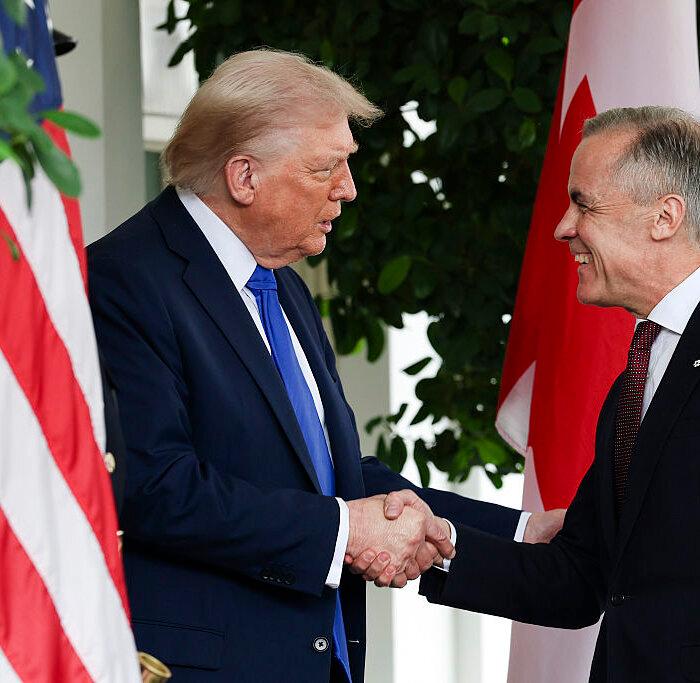
Conservative Leader Pierre Poilievre met with Prime Minister Mark Carney to discuss the upcoming Nov. 4 budget, after the two debated affordability measures and the size of the federal deficit during Question Period.
“We will be calling on Mr. Carney to introduce an affordable budget for an affordable life for Canadians, that includes bringing down the deficit to the level Liberals promised it would be at in their last fiscal update,” Poilievre told reporters on Oct. 22 prior to Question Period.
The Conservatives have requested that the Liberal government keep the deficit in the upcoming budget under $42 billion, which was close to the target made by the government during the last fiscal update, as well as cut taxes on food, homes, and energy.
After the two met privately later on Oct. 22, Poilievre said they had a “good conversation,” and that he has outlined the conditions under which his party would support the budget. He added that he'll see what Carney will come up with, and that the prime minister “made no commitments” during the meeting.
“Our number-one priority is people’s take-home pay has to grow, and that comes through more affordable food and homes. The current Liberal policy is driving up the cost of living. If they sharply reverse that, then they can bring down the cost of living, and that’s what I asked for,” he said.
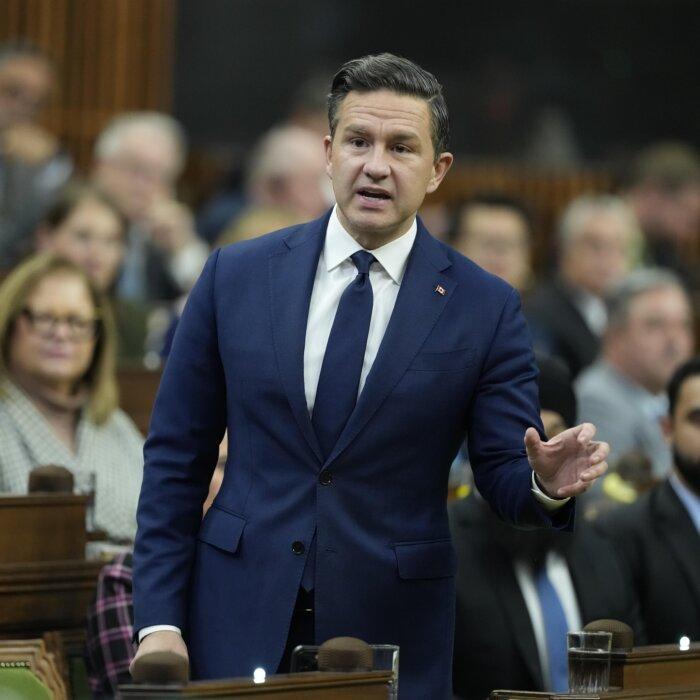
Question Period
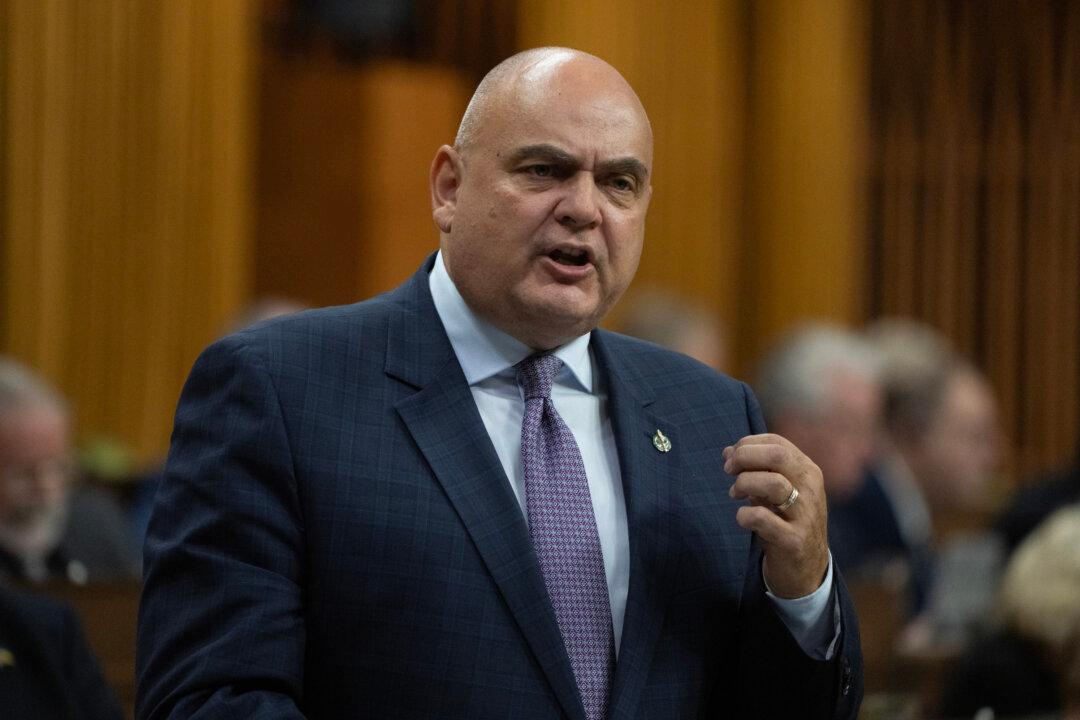
During Question Period, Poilievre asked if the prime minister would agree to table a budget that provides an “affordable life for Canadians.” Carney responded that the budget will be “affordable” and “ambitious,” include substantial investments in Canada, and work to get “operational spending under control.”Poilievre said food prices in Canada have continued increasing while more Canadians have been forced to line up at food banks. Carney responded that it was “time once again for our economic lesson,” and said Canada has the lowest deficit in the G7 and is going to use its federal deficit to grow the economy.
Bloc and NDP Meet With Carney
Bloc Québécois Leader Yves-François Blanchet met with Carney earlier in the day on Oct. 22, and later told reporters that he repeated his “absolute conditions” for supporting the Liberal budget.Blanchet said his conversation with Carney was “particularly interesting” and that he believes the prime minister took good note of his demands. “I wouldn’t be surprised if there’s an effort, a will, and all the better if that’s the case,” Blanchet said.
“But perhaps it’s too late because I have the impression most of the budget is already written.”
Interim NDP Leader Don Davies also met with Carney earlier this month. Davies has said that while he has not made any specific requests for the upcoming budget, his party will not support an austerity budget, and wants to see increased federal investments in workers, businesses, and infrastructure.