Almost 38,000 people voted in the advance polls in three byelections that could give Prime Minister Mark Carney’s Liberals a majority government, with the highest advance turnout in Terrebonne.
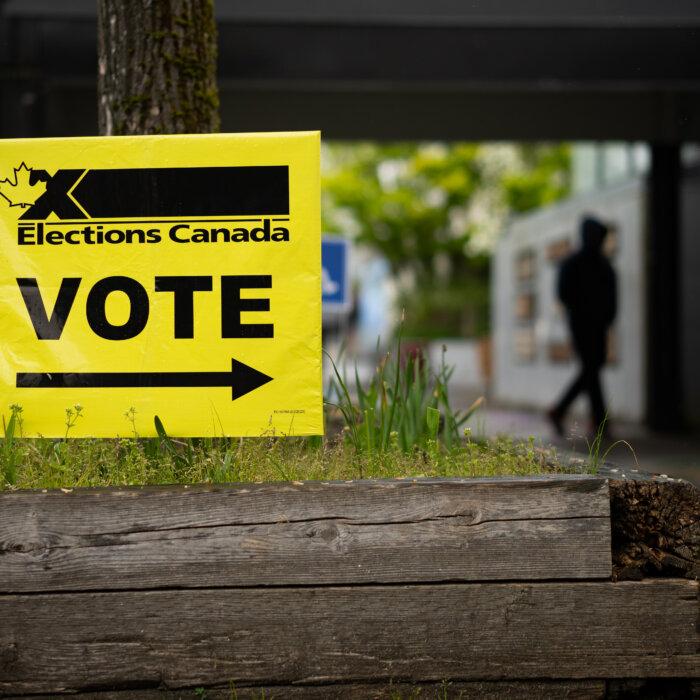
Preliminary data from Elections Canada says 18,200 people in the Quebec riding cast ballots in advance elections, which amounts to almost 20 percent of people on the voters’ list.
The riding saw 68 percent voter turnout in the 2025 election.
Both the Liberals and Bloc Québécois have been making a strong push in Terrebonne, where a single vote gave Liberal Tatiana Auguste the victory over Bloc incumbent Nathalie Sinclair-Desgagné last year.
In February, the Supreme Court of Canada annulled the result of that vote, citing a clerical error on the return address on mail-in ballots.
Nearly 1,200 absentee ballot kits have been requested for Terrebonne as of April 6, according to Elections Canada.
Just over 1,100 mail-in ballots were cast in the riding during the general election last year.
An adapted ballot has been created for the Terrebonne bylection, as Elections Canada expected an influx of independent candidates running as part of the Longest Ballot Committee protest against first-past-the-post results.
That means in the two Toronto byelections, voters will receive a ballot with all candidate names already printed on it, while in Terrebonne the ballot will be blank and voters will have to write in the name of their preferred candidate by hand. A list of all candidates will be provided at each voting booth.
There are 48 candidates on the Terrebonne ballot, 41 of them running without a party banner.
If the Liberals win all three byelections, they will have 173 seats in the House of Commons, giving them a clear majority where they would not need opposition support to pass legislation.
If the Grits only win two, they will have still hit the 172 seat threshold for a majority, but Speaker Francis Scarpaleggia, a Quebec Liberal, only votes in the case of a tie. This means the Liberals would have 171 voting members in the House, same as the opposition.
To maintain neutrality, the speaker traditionally maintains the status quo if they have to vote. This means they normally would not pass new legislation, but would support the government on confidence matters.
The Toronto area byelections are being held to replace former cabinet ministers Chrystia Freeland and Bill Blair, both of whom resigned to take other opportunities.