The Australia-U.S. alliance took centre stage during the latest Question Time in Australia’s federal Parliament on Aug. 28.
Shadow Defence Minister Angus Taylor pressed Defence Minister Richard Marles about his U.S. visit and meeting with U.S. Defence Secretary Pete Hegseth.
Taylor said conflicting reports raised doubts about the purpose of the meeting and what was achieved.
“There have been three different explanations about the nature and extent of the meeting since this morning,” he told the House.
“Deputy prime minister, was this a meeting with Secretary Hegseth or just a photo opportunity? And was there an outcome beyond the photo?”
The exchange carried extra weight, with U.S. Congressman Jason Smith sitting in the public gallery. Before answering, Marles looked up and said dryly: “You’re in for a treat.”
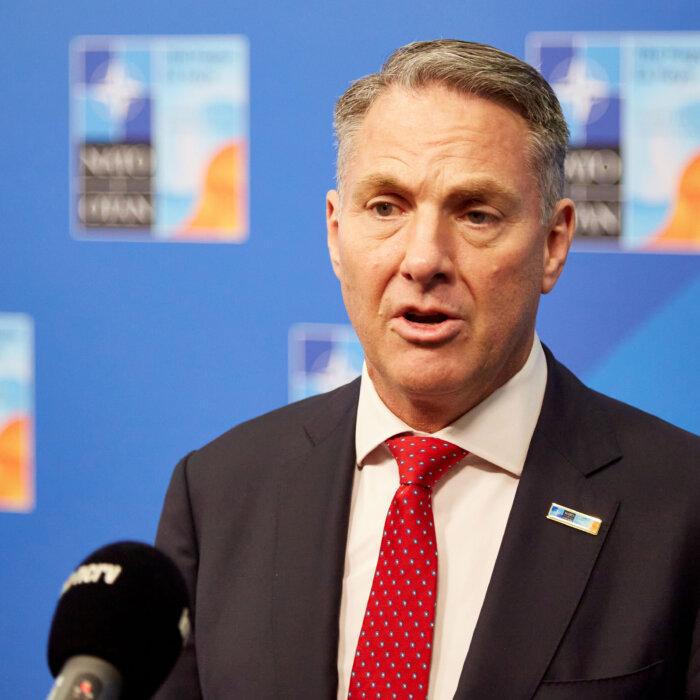
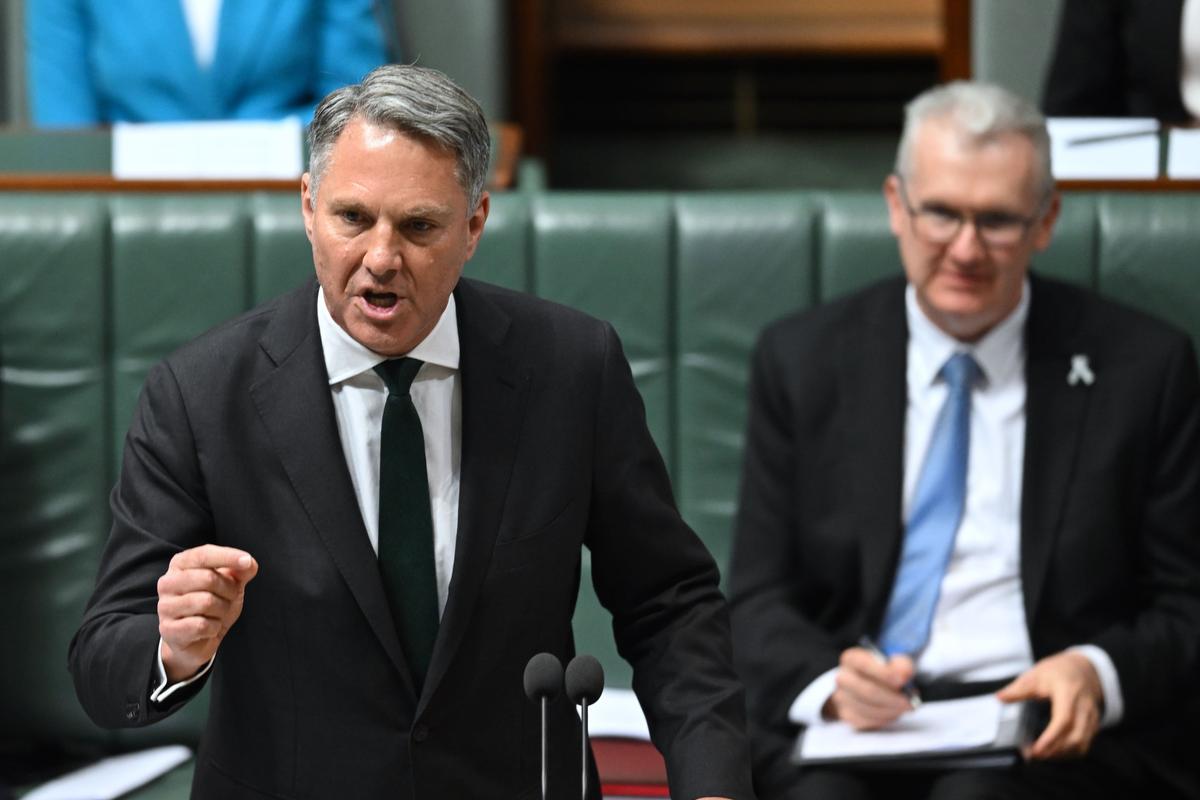
“The Pentagon itself has made clear there was a meeting between myself and Secretary Hegseth,” the defence minister said.
Marles said the opposition was ignoring clear evidence.
“What we’ve heard this week is those opposite firstly suggesting there wasn’t going to be a meeting at all. Then they argued it was mere happenstance. Presumably, they think the published photos were magically generated by AI.”
He added that despite political sparring, the U.S. alliance remained bipartisan.
“The parties of government in this country, whether in opposition or in office, have always supported the relationship with the United States.”
A few hours earlier, Pentagon spokesperson Sean Parnell confirmed details of the meeting.
“Secretary Hegseth welcomed the opportunity to meet in person with Deputy Prime Minister Marles for the third time this year,” he told The Guardian.
Coalition Demands Clarity on Outcomes Around AUKUS
Taylor continued to press Marles to spell out what the meeting had achieved, particularly on AUKUS.But Marles would not give details.
“The material issue here is what progress we are making,” Taylor later told ABC.
“We face the most dangerous strategic environment since World War II. Authoritarian regimes are flexing their muscles. We need a strong alliance and we need a strong AUKUS.”
In July the Pentagon confirmed the review of the $368 billion submarine deal would not be complete until later this year.
Opposition Continues Pressure on Handling of US Ties
The federal opposition widened its inquiries, with Deputy Nationals Leader Kevin Hogan questioning Prime Minister Anthony Albanese on what the government was doing to repair its “deteriorating relationship” with both the United States and Israel.Albanese bristled, “It’s extraordinary to be asked about a deteriorating relationship with the U.S. when a U.S. Congressman is right here in the chamber.”
The prime minister said bipartisan support underpinned the alliance, and recalled that during his time in opposition he backed then–Prime Minister Scott Morrison on handling the U.S. relationship.
Earlier, Albanese welcomed Congressman Smith, praising his role in shaping congressional priorities.
“Ours is an alliance between free peoples and proud democracies that enjoys bipartisan respect and support in both Australia and the United States,” he said.
He added the talks went beyond politics, reaffirming “people-to-people ties.”
Opposition Leader Sussan Ley also welcomed Smith but used the moment to criticise Albanese for failing to secure a face-to-face meeting with U.S. President Donald Trump.
“Face-to-face meetings are important,” she said. “So, we welcome yours with the prime minister.”