Passengers at European airports, ports, and land crossings could face delays as a new fingerprint-tracking security system is introduced to replace passport stamps on Oct. 12.
Operators will begin registering biometric photos and fingerprints from people leaving or arriving in Schengen-area countries at certain border crossings, as the long-delayed Entry-Exit System (EES) is rolled out over the next six months.
Affected Countries
The UK, which is outside of both the EU and the Schengen zone, will be affected. People using the Channel Tunnel or ferry crossings will face checks at border checkpoints in England, while those arriving from the UK to mainland Europe by air will be processed at local airports.The checks will not apply to people holding passports, residence permits, or visas for stays of more than 90 days for any of the 29 Schengen-area countries. Monaco, Andorra, San Marino, and Vatican nationals are also exempt.


Ireland and Cyprus, which are members of the EU but are not in the Schengen area, will not be affected. Passengers will continue to have their passports stamped when entering and leaving.
The system was agreed in 2017 but has been repeatedly delayed over concerns that IT systems were not ready and that travel would be disrupted. Sea ports, airports, and train terminals have had to install machines to carry out the checks.
Gradual Rollout
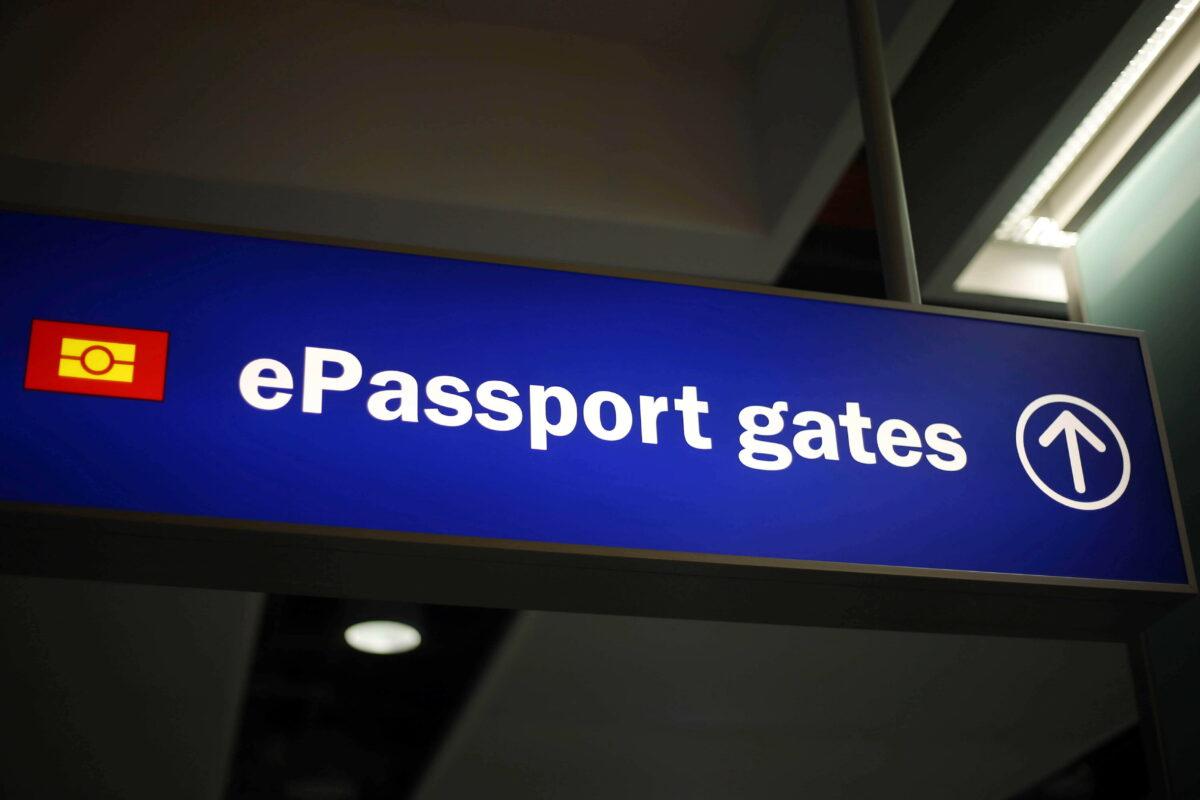
The countries involved agreed to roll out the new system incrementally over the next six months, meaning it will only be fully operational by April 10, 2026.The system is similar to e-gates, which have been operational for years at many airports, but operators could face passenger complaints about possible delays, as registering the biometric information for the first time will take longer than subsequent checks.
It added that the new measures will “allow a wider use of automated border control and self-service systems, which are quicker and more comfortable” for passengers.
Countries will start by implementing the checks at selected border crossings or for specific categories of people.
Germany will begin biometric controls at Düsseldorf airport on Oct. 12, then at airports in Frankfurt and Munich, followed by seaports and other crossings.
The Netherlands will start the new system at the ports of IJmuiden and Eemshaven, and will only introduce controls at its busiest hub—Amsterdam’s Schiphol airport—on Nov. 3.
Delays Possible
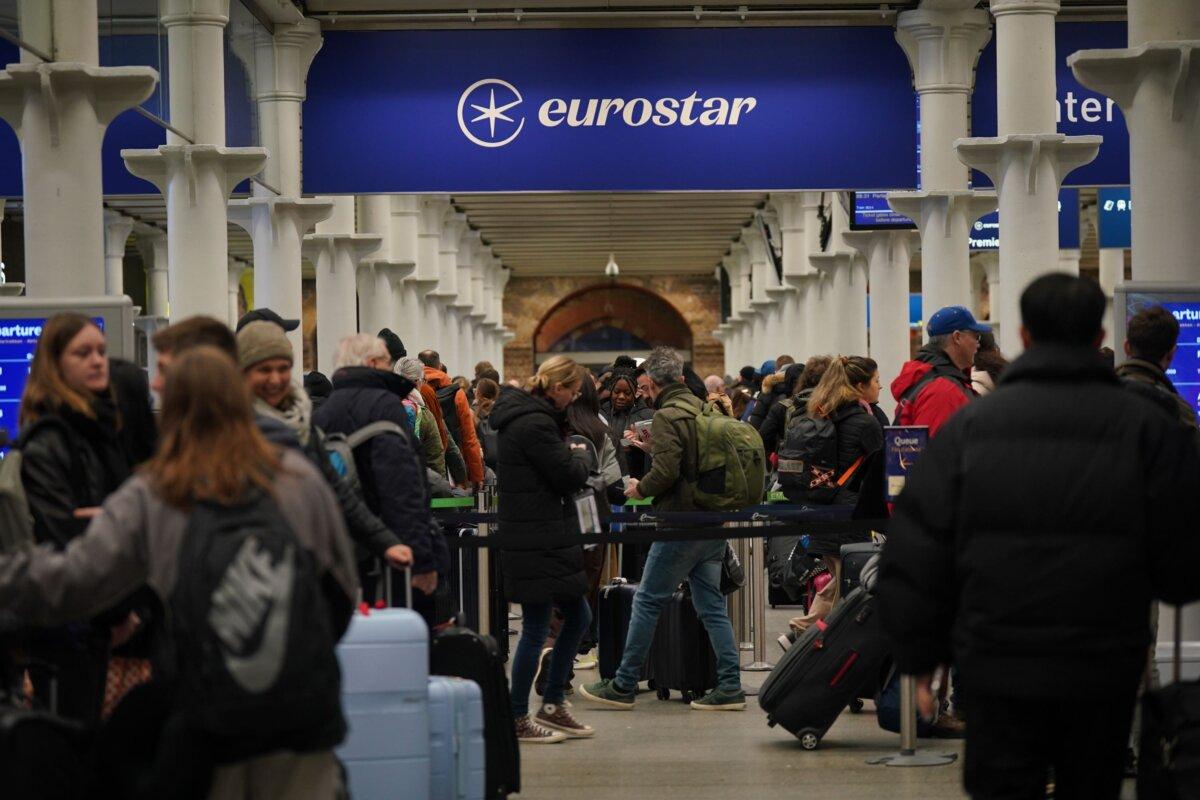
Where current passport checks are carried out in a vehicle, the new scheme requires people to park in dedicated bays and get out of their vehicles to complete the check, which Eurotunnel has estimated will take two minutes per passenger.Eurostar kiosks, located in its stations before passengers check in, will ask passengers questions such as whether they have accommodation booked, whether they have purchased a return ticket, and whether they have sufficient funds to support themselves during their visit.
Customers who answer “no” to any of these questions will be directed to speak to a border officer. The system will start with business-class passengers.