The leader of the Parti Québécois (PQ) says his party would not hold a referendum on Quebec sovereignty while U.S. President Donald Trump remains in office, if the PQ forms government following this fall’s provincial election.
Plamondon said the decision was made because the question of Quebec’s political future requires conditions that allow for an “informed and serene debate” and should not be overshadowed by “the upheavals of American politics.”
He also said the issue should not be influenced by what he described as “fear campaigns” or the statements and actions of an “unpredictable” U.S. president.
Trump’s tariffs on Canadian goods and repeated comments about Canada becoming the 51st U.S. state have added a new dimension to the debate over Quebec sovereignty. Plamondon said the American political climate could affect both the independence debate and the conditions under which Quebecers consider the issue.
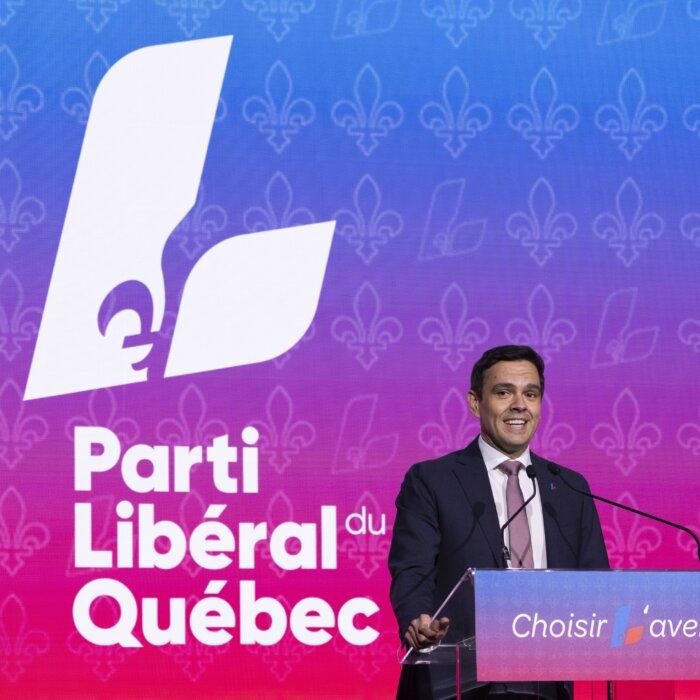
The next Quebec provincial general election is scheduled for Oct. 5, 2026. According to polling aggregator 338Canada, the PQ remains in first place in voting intentions, followed by the Quebec Liberals and governing CAQ.
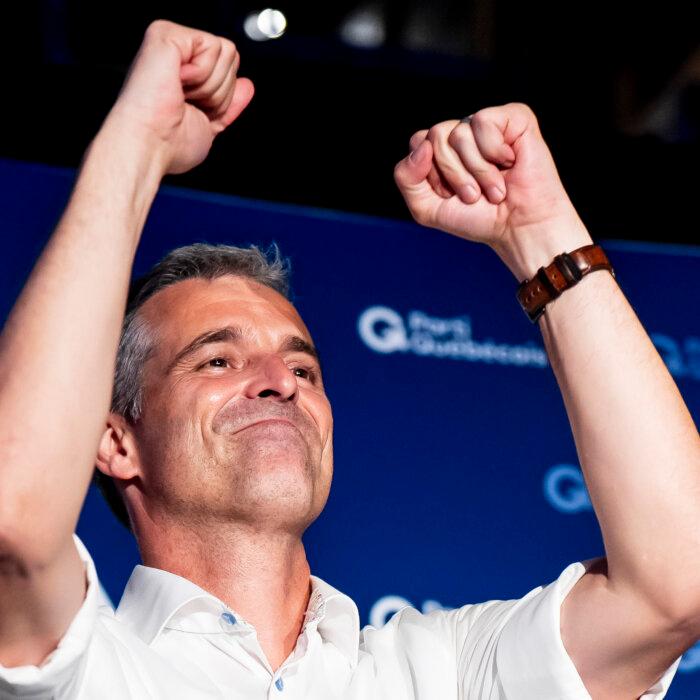
Plamondon’s comments come as separatist sentiment has also emerged in Alberta, where voters will hold a referendum on Oct. 19 on whether the provincial government should begin the legal process required to hold a binding referendum on whether Alberta should separate from Canada. The question itself is non-binding.
Quebec has held two referendums on sovereignty, in 1980 and 1995. Both proposals were defeated, with the 1995 vote decided by a narrow margin.
Plamondon said a PQ government would still consult Quebecers on independence during its first term, but would not hold a referendum before Jan. 20, 2029, the scheduled end of Trump’s second term.
He said the decision was intended to remove the argument that the presence of Trump in the White House makes the timing of a sovereignty referendum inappropriate.
“We will thus be able to run a campaign on our proposals to help Quebecers and relaunch our future, rather than on redundant and sterile fear arguments,” Plamondon said.
Until then, he said, a PQ government would focus on addressing issues facing the province, reiterating the party’s priorities, including addressing homelessness, the rising cost of living, and the housing crisis.
Plamondon said independence is Quebec’s only way to “realize its full potential and escape a cultural, linguistic, and financial decline.”
He has previously said that Quebecers would ultimately decide whether the province should become independent and had pledged to hold a referendum during a PQ government’s first term.
Recent polling suggests support for Quebec sovereignty remains low, with a Léger poll finding that 31 percent of Quebecers would vote in favour of independence, compared with 69 percent who would vote against it.
Despite this, the Parti Québécois continues to lead in voting intentions. According to 338Canada, the PQ has 30 percent support, followed by the Quebec Liberal Party at 25 percent, the CAQ at 20 percent, the Quebec Conservative Party at 14 percent and Québec solidaire at 10 percent.
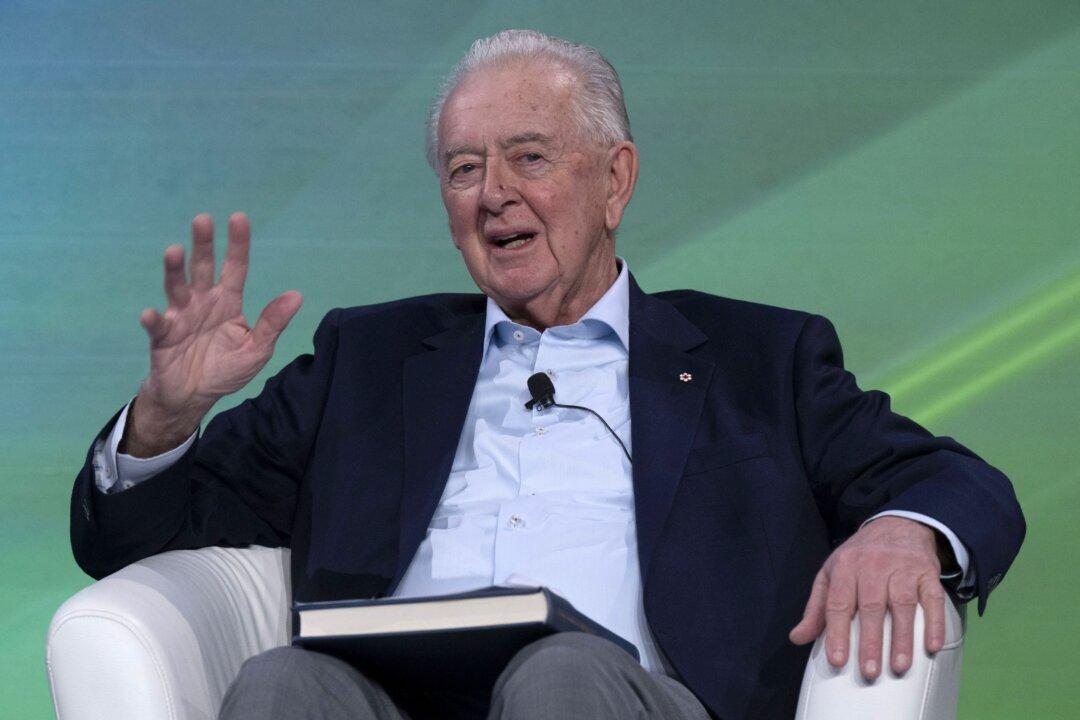
The Parti Québécois was founded in 1968 by René Lévesque and Gilles Grégoire, with the goal of achieving Quebec sovereignty.
The PQ first formed government in 1976 under Lévesque and has governed Quebec several times since, most recently from 2012 to 2014. PQ governments held the 1980 sovereignty-association referendum under Lévesque and the 1995 sovereignty referendum under Premier Jacques Parizeau.