
Canada has approved Ozempic to reduce the risk of kidney decline and cardiovascular death in patients with Type 2 diabetes.
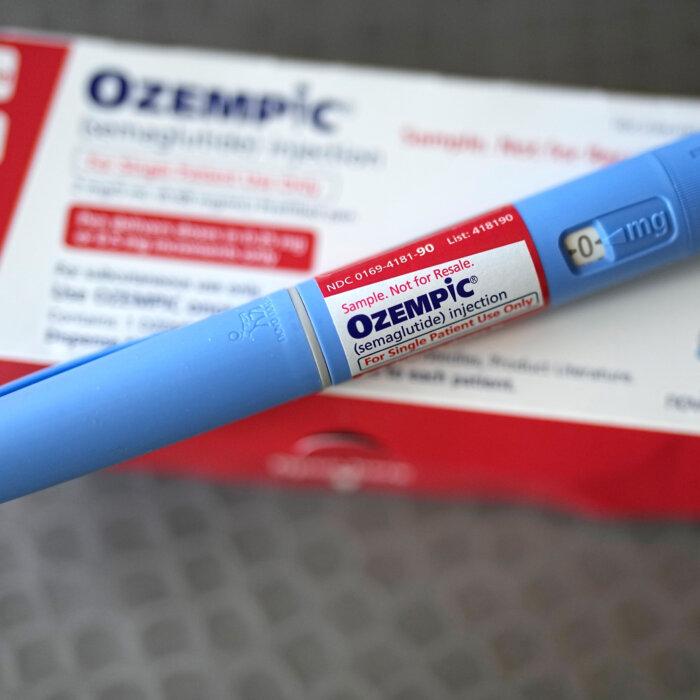
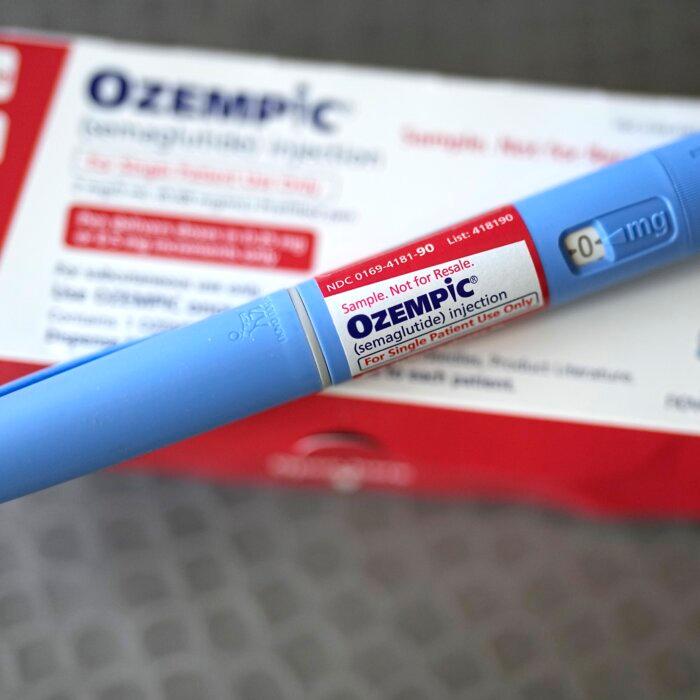
Ozempic is the brand name of an injectable form of semaglutide, which is a glucagon-like peptide-1 hormone. It was first approved in Canada as a diabetes medication because it reduces blood sugar. It has previously been approved as a weight loss drug under the brand name Wegovy for people with obesity, as it can reduce appetite.
Health Canada confirmed its decision in an email to The Epoch Times, saying it approved Ozempic to reduce the risk of end-stage kidney disease and cardiovascular death in patients with Type 2 diabetes.
The medication was tested in a trial called FLOW that included more than 3,500 patients across 28 countries, including Canada, Novo Nordisk said. The results of the trial indicated that using semaglutide can lead to a 24 percent reduction in the risk of kidney disease progression and cardiovascular problems.
Dr. David Cherney, a nephrologist at Toronto General Hospital that helped lead the Canadian part of the trial, said in the release that the FLOW results have offered patients a “better chance of avoiding kidney failure or cardiovascular complications.”
He said about 30 to 50 percent of those with Type 2 diabetes are also living with chronic kidney disease and that these patients had a “dramatically higher risk” of cardiovascular disease and death.
“This trial demonstrated that the addition of semaglutide to standard of care medicines reduced the risk of kidney disease progression, and death due to cardiovascular disease or loss of kidney function over time,” he said in the release.
The results of the trial were peer-reviewed and published in the New New England Journal of Medicine in 2024.