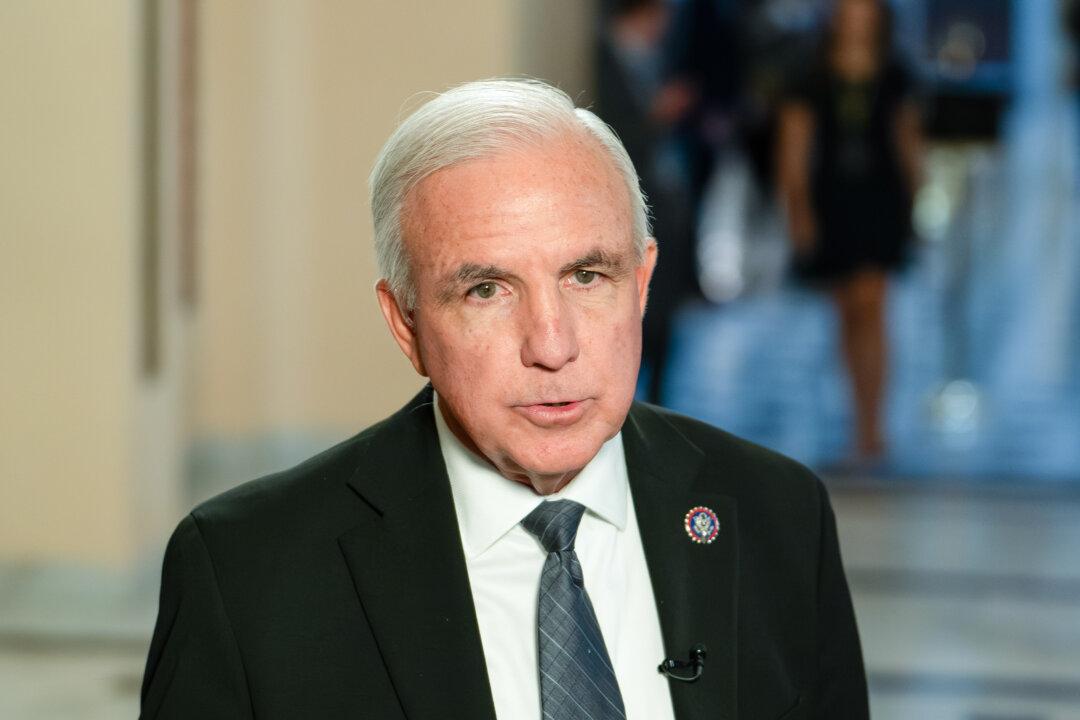
More than 800 new Mexican justices, magistrates, and judges were sworn in and assumed their positions in the country’s judiciary on Sept. 1 as part of the government’s controversial sweeping judicial reforms.
In Mexico City’s Zócalo, the Senate, and local communities, 881 justices, magistrates, and judges took part in ceremonies to be sworn into office after the country’s first-ever elections for the Judicial Branch on June 1.
Among those sworn in were nine justices of the Supreme Court of Justice of the Nation and five justices of the new Judicial Disciplinary Tribunal. Two justices of the Superior Chamber of the Electoral Tribunal of the Judicial Branch of the Federation (TEPJF) were also sworn in, along with 15 justices of the TEPJF’s regional chambers, based in Guadalajara, Monterrey, Xalapa, Mexico City, and Toluca. A total of 464 circuit magistrates nationwide and 386 district judges were also sworn in.
At the Senate of the Republic at 3 p.m. local time, 137 judges and magistrates of the new Federal Judicial Branch were sworn in to assume their new positions in a ceremony that lasted approximately 20 minutes. The ceremony was attended by Mexican Secretary of the Interior Rosa Icela Rodríguez, representing Mexican President Claudia Sheinbaum.
In his speech, Secretary of Government for Mexico City César Cravioto said that the reform to the judicial branch seeks to provide judges with closer contact with the people.

“They will see how you resolve issues, how you carry out your work day after day. But the attention of the inhabitants will not only be in that area, but also in your personal behavior, in how you lead your lives.”
At the same time, outside the Senate, a group of protesters claimed that the June elections for the judicial branch were irregular and favored the ruling party (Morena) and, as such, jeopardized judicial independence.
At 4 p.m., the new justices of the Supreme Court of Justice of the Nation (SCJN) participated in an indigenous “purification and consecration” ceremony led by Chief Justice Hugo Aguilar Ortiz, who officially received a baton of command from representatives of Mexico’s indigenous communities.
“The baton of command imposes the obligation to speak for those who cannot speak, to defend those who cannot defend themselves. That is the profound meaning of the baton of command we are receiving today.”
Judicial Reform
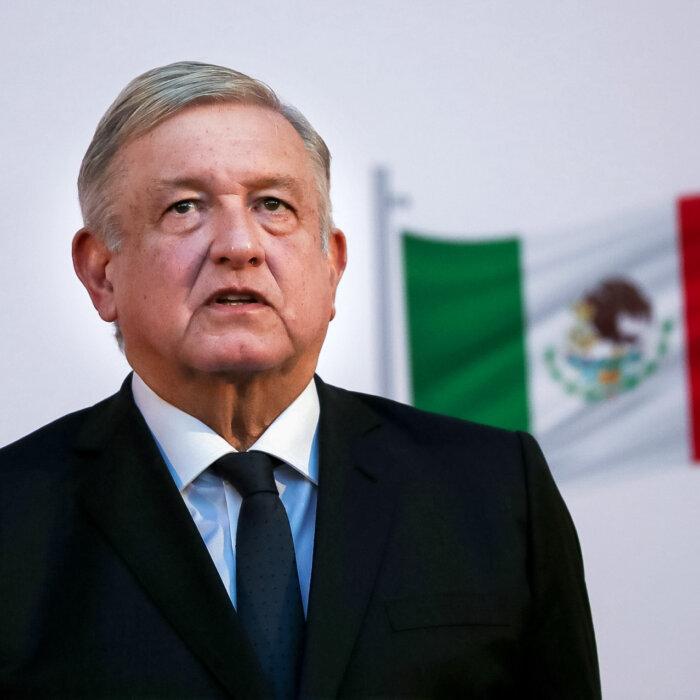
The judicial reform, proposed by López Obrador in February 2024 and approved by the Mexican Congress in September of the same year, changed the method of electing federal ministers, judges, magistrates, and officials of the judiciary in 19 states from one based on professional experience and experience evaluation to one based on popular vote.The judicial reforms have been widely criticized by longtime members of the judiciary, who assert that they constitute a setback in the administration of justice in Mexico by eliminating judicial independence, one of the fundamental pillars of the rule of law.
“I see that starting this month, the national and international uncertainty regarding how the world views Mexico will cause money and investors to gradually withdraw,” Ulises Fuentes Rodriguez, a former district judge in Guanajuato, told The Epoch Times.
“Little by little, Mexico will lose credibility and certainty, and it will not be an attractive country to invest in.”