Nationals Senator Matt Canavan has criticised the Labor government for signing up to a global commitment to phase out fossil fuels, arguing that it would put tens of thousands of people out of work.
In late November 2025, Australia signed the Belém Declaration on the Transition Away from Fossil Fuels at the COP30 U.N. Climate Summit in Brazil, alongside 23 other countries.
The document outlines the principles of transitioning away from fossil fuels in a “just and equitable” manner, but does not provide a specific roadmap for the transition.
As such, signatory countries will need to devise and implement policy decisions according to their own circumstances.
It is worth noting that the document did not receive the endorsement of oil-producing countries such as Saudi Arabia and Russia.

Over 60,000 Jobs At Risk: Senator
During a recent Senate sitting, Canavan raised concerns about the impact of the Belém Declaration on local industries.“The Energy Minister Chris Bowen, over in Brazil, without any communication to the coal and gas workers in this country, has signed up to an agreement which says … [it] wants to go towards, and I quote, a just, orderly and equitable transition away from fossil fuels,” he said.
The senator noted that many people would be at risk of losing their jobs if the government were to commit to the plan.
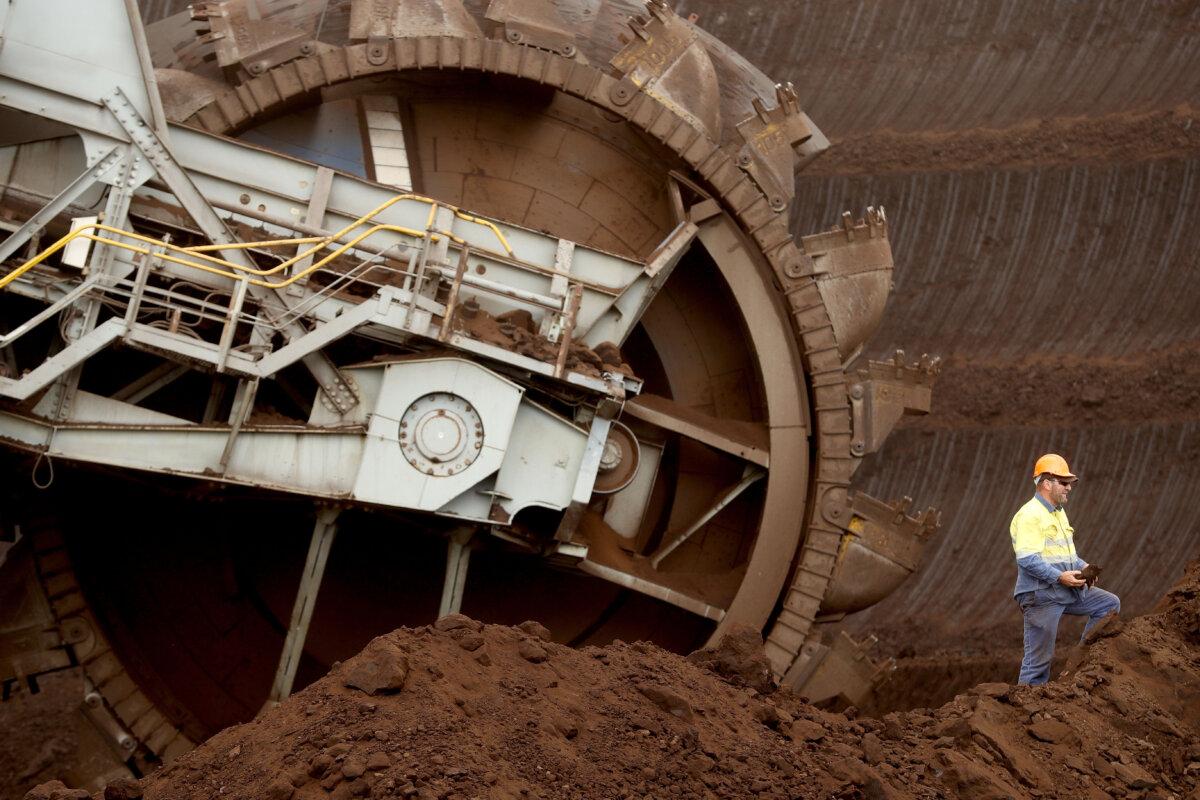
“There are 64,000 people … who work in the coal and gas industries in this country, and there are hundreds of thousands more that rely on those industries for their livelihoods as well,” he said.
“And the Labor government … who professes to support workers, has signed a death warrant for the jobs in those industries in Brazil.”
The employment figure provided by Canavan was relatively close to estimates by other organisations.
Why Join 23 Small Countries?: Senator Asks
Canavan pointed out that the other 23 countries that signed the declaration are small economies with limited influence in global political affairs.“So we’ve signed up with Austria, with Belgium, Cambodia, Chile, Colombia, Costa Rica, Denmark, Fiji, Finland, Ireland, Jamaica, Kenya, Luxembourg, Marshall Islands, Mexico, Micronesia, Nepal, Netherlands, Panama, Spain, Slovenia, Vanuatu and Tuvalu,” he said.
“These countries represent less than 10 percent of the world’s GDP.”
The senator then questioned the rationale of Australia joining those countries in phasing out fossil fuels at the expense of the local economy.
“Why are we signed up with such a small number of countries and be out of step with the rest of the world? None of those countries is in the top 15 of our trading partners,” he asked.
“Why are we joining with those countries and then letting other countries in our region, our trading partners, take our coal and gas and supply jobs to their countries?
Global Expansion of Fossil Fuel Production
Canavan’s comment came as major economies around the world are implementing new policies to step up their fossil fuel production.The move was part of the Trump administration’s push to re-establish the United States as a major oil and gas exporter and strengthen its position as a global energy powerhouse.
Under the first of 30 planned sales, half of the area of the Gulf of America, around 80 million acres, will be open to investors.
The entire region is estimated to contain 29.6 billion barrels of extractable oil and 54.8 trillion cubic feet of natural gas.
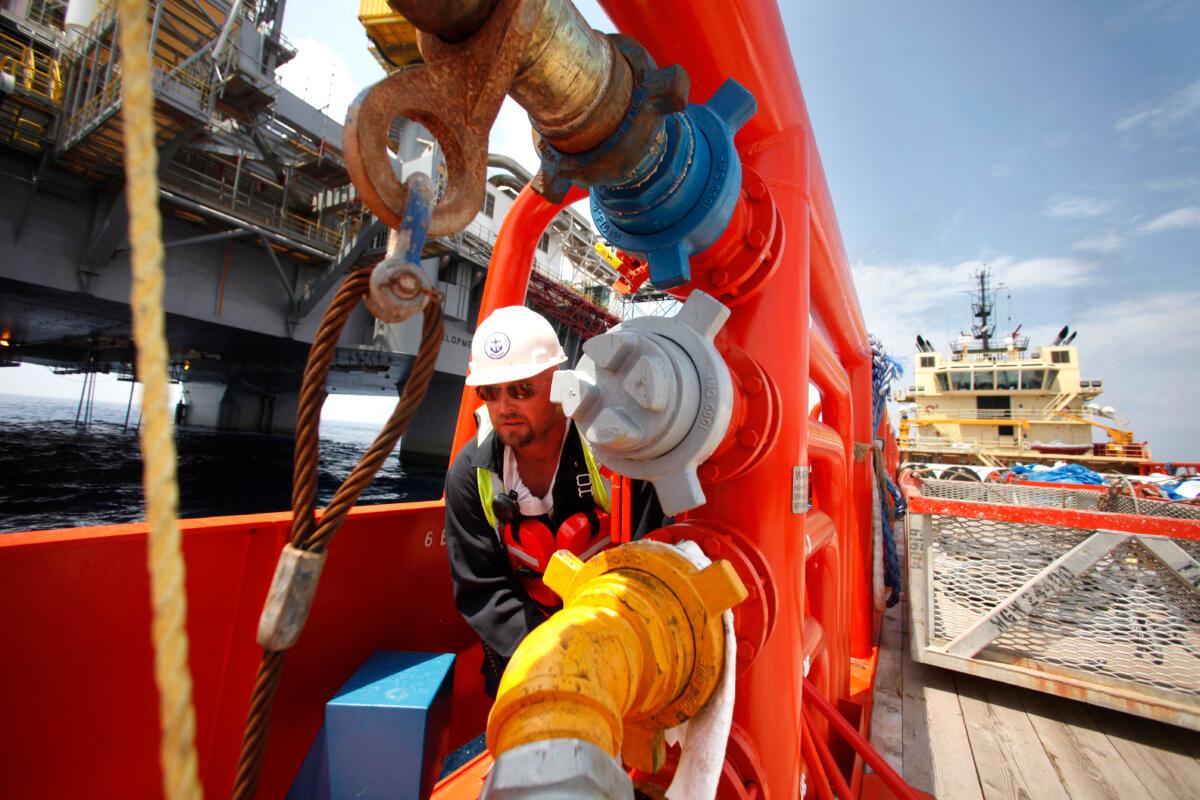
The Bureau of Ocean Energy Management is expected to set the royalty rate for both shallow- and deep-water leases at the lowest possible level—12.5 percent—to attract bidders.
This move signals a reversal of the countries’ long-standing opposition to fossil fuels.