
The federal government is removing an incentive for temporary foreign workers that has been used to boost applications for permanent residency. The incentive has also been used by some to exploit the immigration system, Immigration Minister Marc Miller said.
He made the announcement at a Dec. 17 press conference alongside then-Public Safety Minister Dominic LeBlanc.
Prior to this change, the LMIA incentive allowed temporary workers to get 50 to 200 points if offered an LMIA job, thus boosting the score on their permanent residency application. However, reports have surfaced that some LMIA job offers are being sold to temporary workers.
LMIAs are issued by the federal government to employers to allow them to hire foreign workers if unable to find a citizen or permanent resident to take the job.

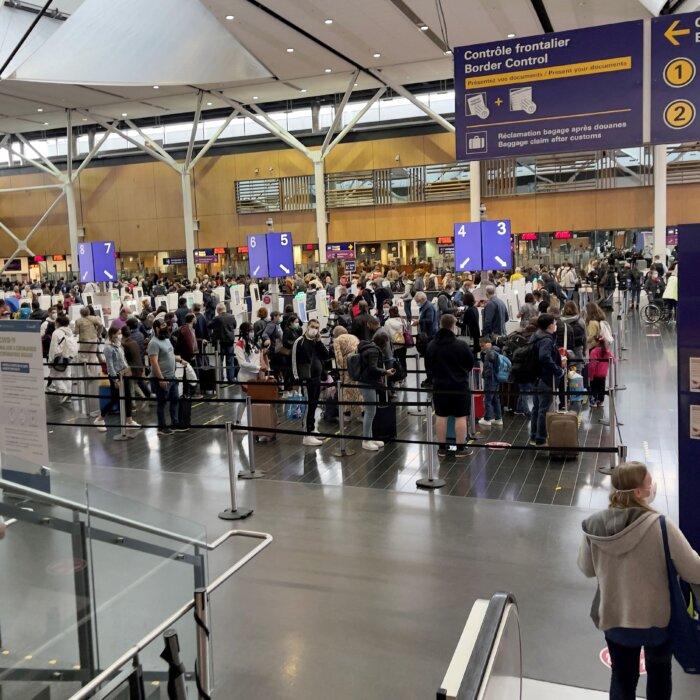
Other changes include having temporary residents apply online to extend their stay. Miller said the move will end “flag-poling,” a practice where someone travels to the United States and then quickly returns to the U.S.-Canada border as a way of speeding up their application at a port of entry.
The Liberal government is also looking at introducing legislative amendments that would allow Canada to suspend or cancel immigration documents when deemed to be in the public interest, such as in the case of mass fraud. This would include visas.
Since the COVID-19 pandemic, there has been an increase in the number of temporary foreign workers. The goal was initially to fill gaps in the labour market.
Ottawa has also tightened the permit approval process for employers, such as refusing low-wage applications in places where unemployment is over 6 percent.