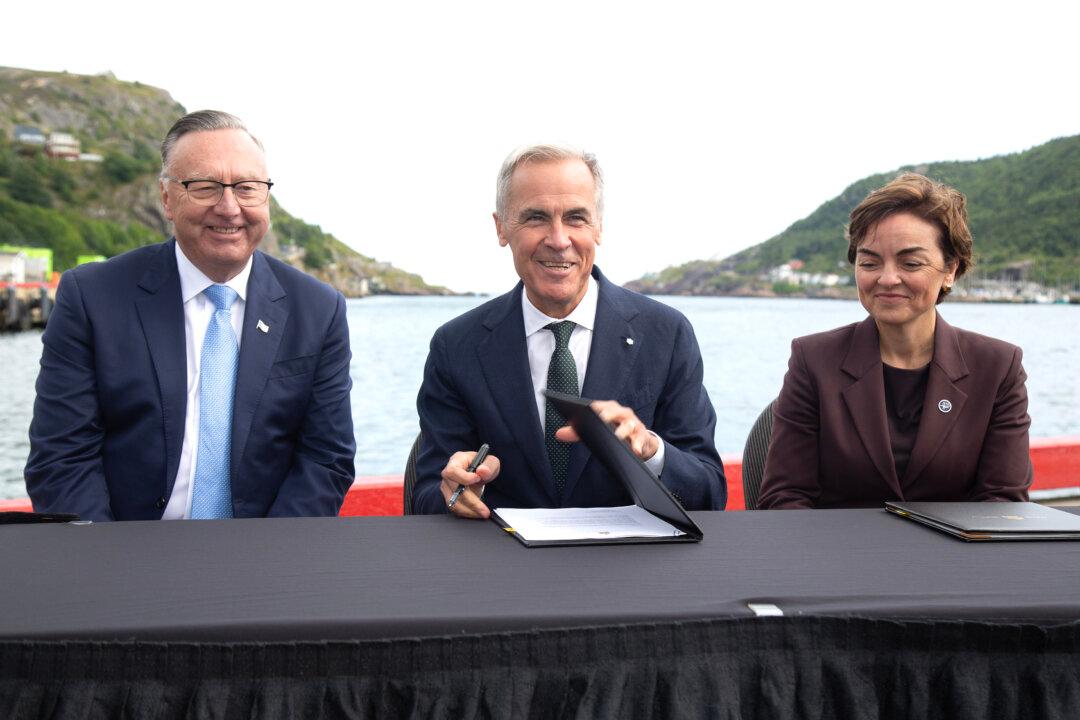
The federal government has moved to formally repeal the controversial electric vehicle (EV) sales mandate, but it has not yet finalized the more stringent emission standards that will replace the policy.
The Liberal government said in an Aug. 15 Regulatory Impact Analysis Statement that it will repeal the mandate, implemented in 2023, that set a target for 20 percent of all vehicle sales in 2026 to be EVs. That target was set to increase to 100 percent by 2035.
Environment Minister Julie Dabrusin’s press secretary said in an email on Aug. 17 that Ottawa plans to launch a national charging infrastructure strategy in the coming months, and is also launching consultations with the automotive industry and environmental groups.
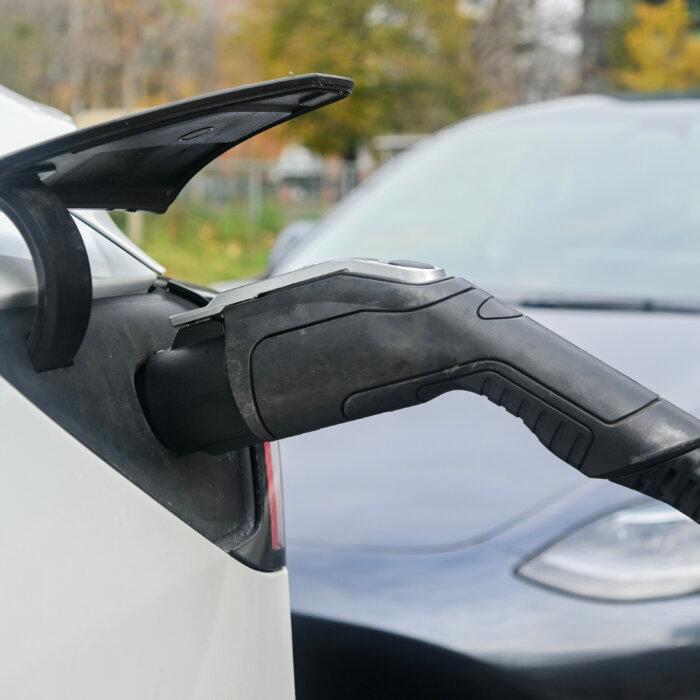
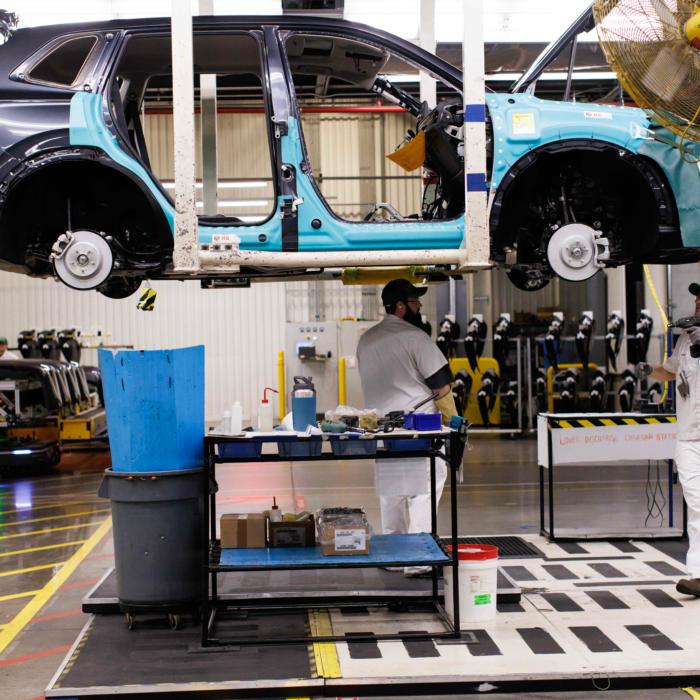
The Regulatory Impact Analysis Statement said that the savings from the repeal of the mandate were “estimated to be $57.6 billion from 2026 to 2050,” or the equivalent of $2.3 billion annually. The report said fewer EVs would be purchased, and consumers would no longer need to “bear the higher upfront cost” of EVs and at-home charging units.
“Conversely, these same consumers would forgo fuel and vehicle maintenance savings that accrue from electric vehicle ownership,” the report said, noting that fuel savings are estimated at $53.8 billion over the same period.
However, the report said ending the EV mandate would slow the rate of adoption of EVs, and could cause $90.3 billion in “potential climate change-induced global damages.”