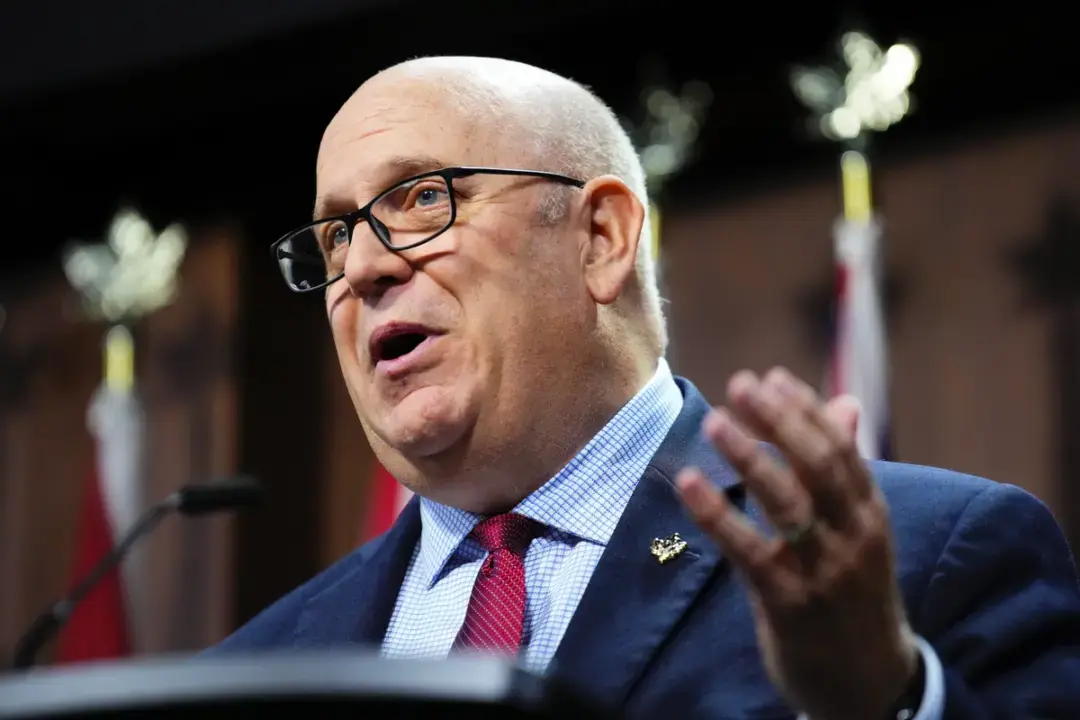
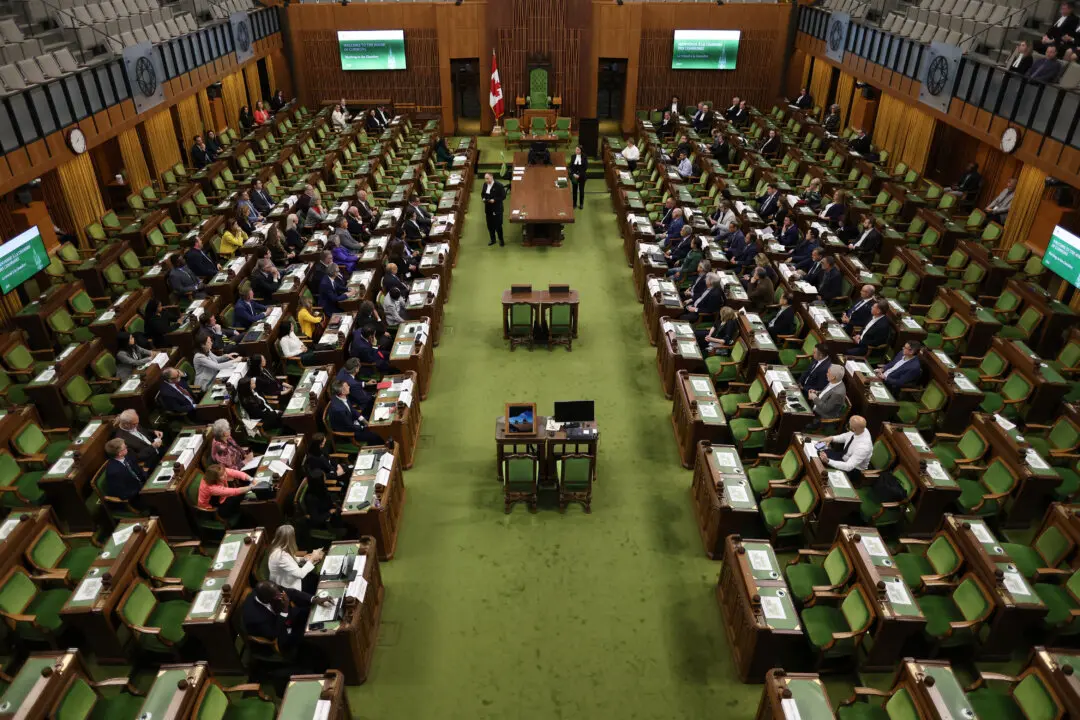
Prime Minister Mark Carney has launched the Major Projects Office (MPO), which aims to get major projects built faster by streamlining regulatory approval processes and coordinating financing. The office will be headquartered in Calgary.
The office will be led by Dawn Farrell, the former CEO of Trans Mountain Corporation and former president and CEO of TransAlta Corporation.
Canada’s premiers have been pushing for projects they want to be prioritized through the office for months. Alberta Premier Danielle Smith has been pushing for more infrastructure to transport energy resources, while Ontario’s Doug Ford has been asking for commitments to further develop minerals in his province’s Ring of Fire region. Manitoba Premier Wab Kinew has requested icebreakers to be able to increase shipping capability through Hudson Bay, while Nova Scotia’s Tim Houston has asked for support in building more electricity infrastructure.
The federal government said on Aug. 29 that it plans to announce the first set of the projects that will be worked on in the coming weeks.
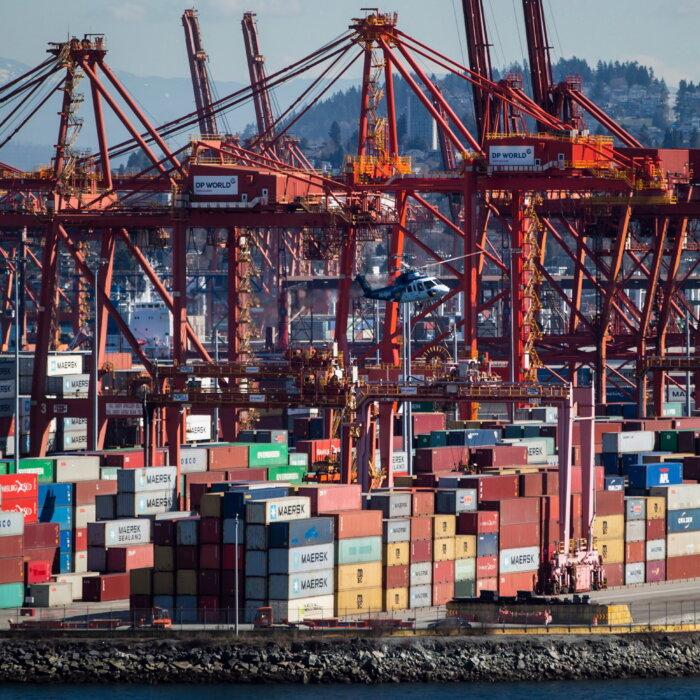
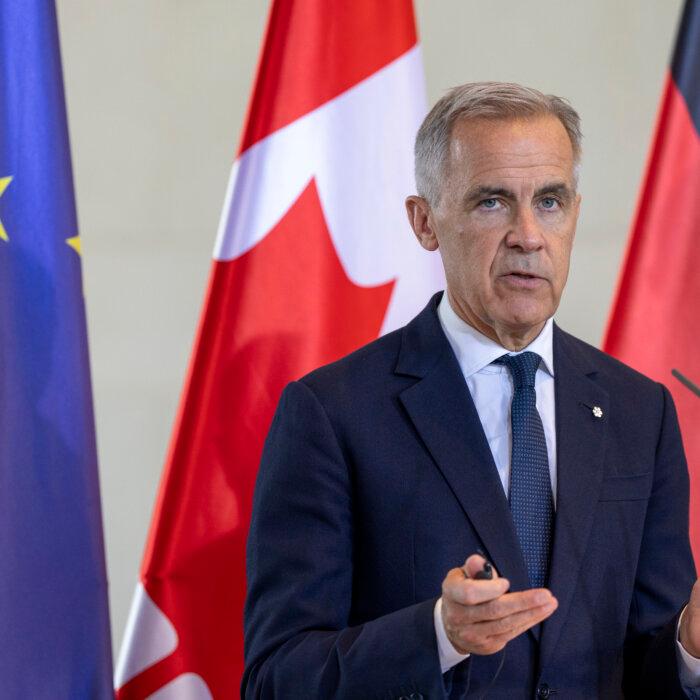
Carney said in a statement that Canada must draw on its legacy of building projects like the St. Lawrence Seaway and Expo 67 in order to “transform” its economy. “We are moving at a speed not seen in generations to build ports, railways, energy grids – the major projects that will unlock Canada’s full economic potential and build Canada strong,” he said.
The MPO will work to attract capital to build the projects, while also coordinating and structuring financing from the private sector, and provincial and territorial partners. The MPO will be headquartered in Calgary but have offices in other major cities.
The Conservative Party reacted to the launch of the MPO by saying, “Another office of bureaucrats that will one day consider approving a project won’t get anything built.” The party criticized the Liberal government for previously passing “anti-energy laws” and discouraging investment in energy projects.
The Conservatives said they plan to introduce a motion to pass a Canadian Sovereignty Act when Parliament returns in September, which would enable building pipelines and other resource development projects, as well as remove the industrial carbon tax and allow for more oil and gas production.